L&T, GMR Adani getting active along India ME-Europe Corridor
RAILWAYS & METRO RAIL

L&T, GMR Adani getting active along India ME-Europe Corridor

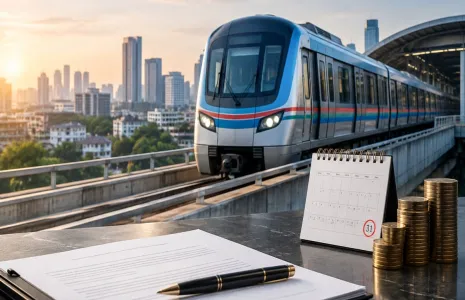
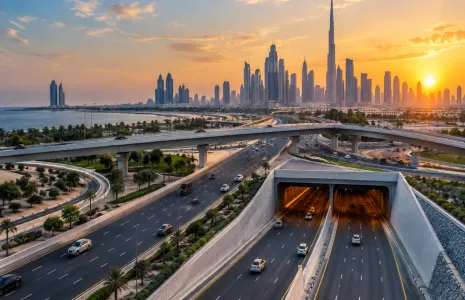
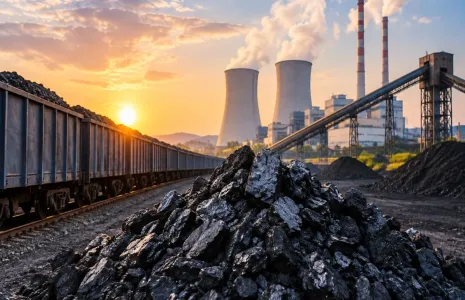
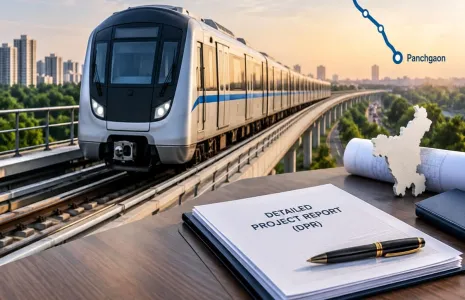
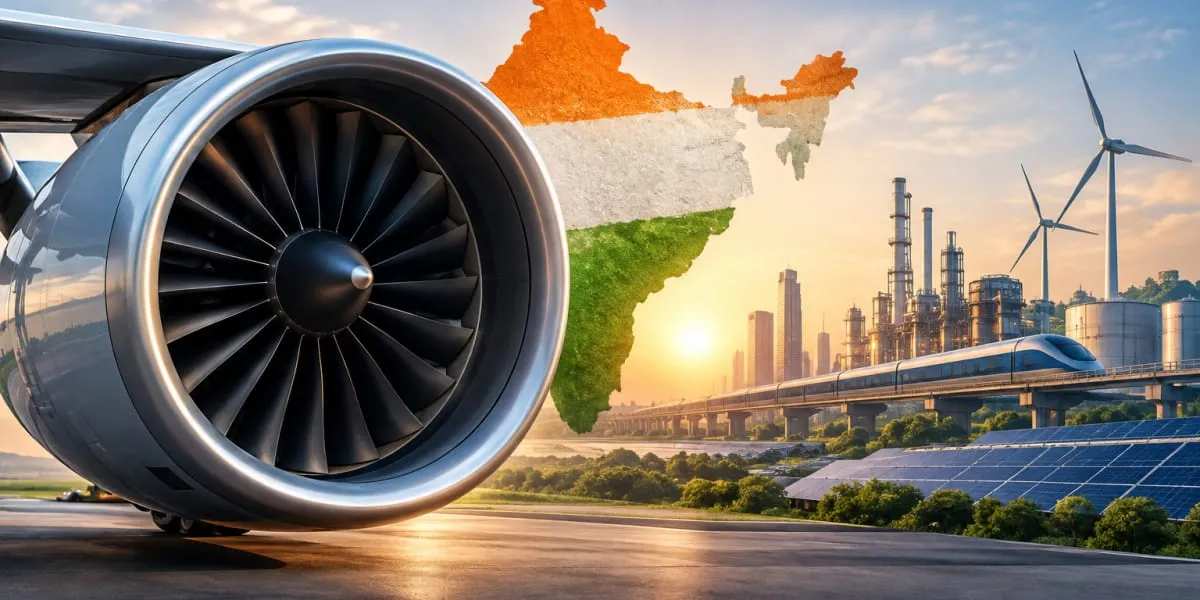
In a significant development, the formal announcement of the India-Middle East-Europe Economic Corridor was made during the G20 Summit on Saturday. However, even before the official unveiling, Indian companies in the infrastructure and energy sectors had already embarked on, and are planning to undertake, mega-projects along the proposed corridor. Their proactive stance not only marks a commitment to economic development but also underscores India's growing geopolitical interests.
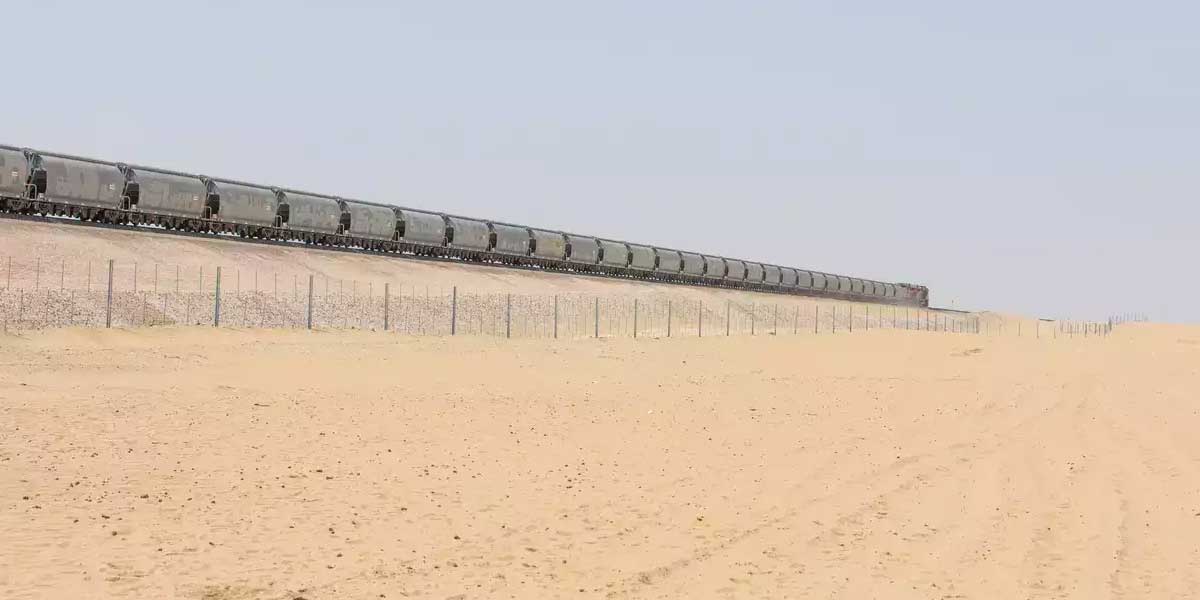
The ambitious corridor is poised to establish vital connections between India, the United Arab Emirates, Saudi Arabia, Jordan, Israel, Greece, and onwards to major European economies including France, Germany, and Italy. This comprehensive initiative will serve as more than just a trade route; it is envisioned as a multifaceted corridor that will encompass rail links, digital infrastructure, and networks for electricity and clean energy. Notably, it promises to reduce the time for India-Europe trade by a substantial 40%.
Among the Indian conglomerates making significant strides in this endeavor, the Adani Group has garnered substantial attention. Last year in July, the group made a high-profile acquisition with the purchase of Haifa Port in Israel. This strategic move positions the Adani Group as a key player in enhancing connectivity and trade along the corridor.
Furthermore, other infrastructure giants such as Larsen & Toubro and the GMR Group have also revealed their investment plans, further solidifying India's commitment to this transformative initiative.
As the India-Middle East-Europe Economic Corridor gains momentum, it is expected to play a pivotal role in reshaping regional and global trade dynamics, while also bolstering India's position on the geopolitical stage.


In a significant development, the formal announcement of the India-Middle East-Europe Economic Corridor was made during the G20 Summit on Saturday. However, even before the official unveiling, Indian companies in the infrastructure and energy sectors had already embarked on, and are planning to undertake, mega-projects along the proposed corridor. Their proactive stance not only marks a commitment to economic development but also underscores India's growing geopolitical interests.The ambitious corridor is poised to establish vital connections between India, the United Arab Emirates, Saudi Arabia, Jordan, Israel, Greece, and onwards to major European economies including France, Germany, and Italy. This comprehensive initiative will serve as more than just a trade route; it is envisioned as a multifaceted corridor that will encompass rail links, digital infrastructure, and networks for electricity and clean energy. Notably, it promises to reduce the time for India-Europe trade by a substantial 40%.Among the Indian conglomerates making significant strides in this endeavor, the Adani Group has garnered substantial attention. Last year in July, the group made a high-profile acquisition with the purchase of Haifa Port in Israel. This strategic move positions the Adani Group as a key player in enhancing connectivity and trade along the corridor.Furthermore, other infrastructure giants such as Larsen & Toubro and the GMR Group have also revealed their investment plans, further solidifying India's commitment to this transformative initiative.As the India-Middle East-Europe Economic Corridor gains momentum, it is expected to play a pivotal role in reshaping regional and global trade dynamics, while also bolstering India's position on the geopolitical stage.

Next Story
Infrastructure Urban

Implementation Status of Jal Jeevan Mission

Since August 2019 the Government has implemented Jal Jeevan Mission to provide assured potable water through household tap connections in rural India. At the start of the mission only 32.3 million (mn) rural households, representing 16.7 per cent, were reported to have tap water connections. States and union territories have reported that 125.8 mn additional rural households have since been provided with tap connections. As a result, of about 193.6 mn rural households roughly 158.2 mn, or 81.71 per cent, are reported to have tap water supply at home.\n\nThe State, district and village level st..

Next Story
Infrastructure Urban

Jal Jeevan Mission Reaches Eighty One Per Cent Rural Coverage

The Government reported substantial progress under the Jal Jeevan Mission, launched in August 2019 to provide tap water to every rural household. At launch only 32.3 million (mn) rural households had tap connections and states and Union territories reported provision of 125.8 mn additional households by March 2026. Consequently, out of about 193.6 mn rural households around 158.2 mn, or 81.71 per cent, are reported to have tap water at home. The Finance Minister announced extension of the mission until 2028 in the 2025-26 budget speech. The Swachh Bharat Mission Grameen, launched in October 20..

Next Story
Infrastructure Urban

Empowering Local Governance for Sustainable Rural Water Supply

The Ministry of Jal Shakti has aligned the Jal Jeevan Mission (JJM) with the 73rd Amendment to strengthen village level planning and community ownership of water supply. Gram Panchayats, village water and sanitation committees and Pani Samitis are to plan, implement, manage and maintain piped water systems, with gram sabha processes formalising handover and oversight. Implementation support agencies including non government organisations, community based organisations and self help groups have been empanelled to train local committees and promote women participation. Under JJM, the department ..

Advertisement

Subscribe to Our Newsletter

Get daily newsletters around different themes from Construction world.

STAY CONNECTED

Advertisement

Advertisement

Advertisement