IISc Study Finds Double Decker Corridor Raises Car Use And Costs
RAILWAYS & METRO RAIL

IISc Study Finds Double Decker Corridor Raises Car Use And Costs

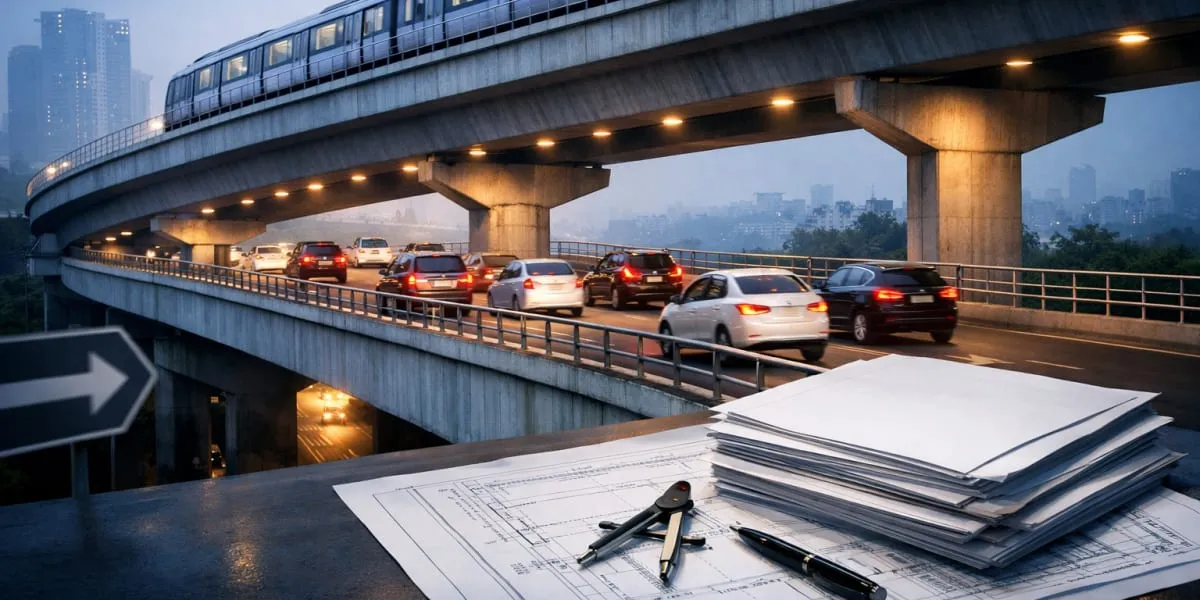
A technical assessment by the Indian Institute of Science examined integration of an elevated road with the Bengaluru Metro Phase three corridors and concluded the double-decker design would attract more private vehicles and reduce metro ridership. The findings were presented at an interactive session organised by civic groups before Union government consideration of Phase three approvals. The convenor of IISc’s Sustainable Transportation Lab said the configuration is incompatible with sustainable mobility objectives.

The study compared a metro-only scenario with one combining metro and an elevated road on the same pillars for two corridors totalling 44.65 km. It projected daily metro ridership on those corridors would fall from 0.809 mn to 0.798 mn under the combined design. Bus mode share was projected to fall by 6.4 per cent and metro share by 1.4 per cent while car use was expected to rise by 3.8 per cent.

Researchers estimated that increased road capacity would raise total vehicle kilometres travelled and daily emissions by 17,012 kg of carbon dioxide, 85.9 kg of carbon monoxide and 1.1 kg of PM2.5. The report projected additional fuel consumption of 7,000 litres per day and associated extra fuel cost of Rs 0.645 mn per day. These shifts were linked to a modal move from high occupancy public transport to private vehicles.

Capital expenditure for Bangalore Metro Rail Corporation Limited under a double-decker integration was put higher by Rs 28,635.3 mn, attributed to larger pier diameters, deeper foundations and elevated stations that add multimodal integration costs without public transport benefit. Corridor one costs were estimated to rise from Rs 49,720 mn to Rs 70,300 mn and corridor two from Rs 17,110 mn to Rs 25,170 mn, producing the stated additional burden. The report flagged legal obligations in earlier sanction letters to favour metro ridership and noted that the Ministry for Housing and Urban Affairs has not approved the double-decker proposal; an entrepreneur responded on X calling the assessment one sided and urging greater investment in public transport capacity.

"Join industry leaders at RAHSTA Expo, India's premier platform for roads, highways and traffic infrastructure. Register now to explore innovations, network with experts and shape the future of mobility."

A technical assessment by the Indian Institute of Science examined integration of an elevated road with the Bengaluru Metro Phase three corridors and concluded the double-decker design would attract more private vehicles and reduce metro ridership. The findings were presented at an interactive session organised by civic groups before Union government consideration of Phase three approvals. The convenor of IISc’s Sustainable Transportation Lab said the configuration is incompatible with sustainable mobility objectives. The study compared a metro-only scenario with one combining metro and an elevated road on the same pillars for two corridors totalling 44.65 km. It projected daily metro ridership on those corridors would fall from 0.809 mn to 0.798 mn under the combined design. Bus mode share was projected to fall by 6.4 per cent and metro share by 1.4 per cent while car use was expected to rise by 3.8 per cent. Researchers estimated that increased road capacity would raise total vehicle kilometres travelled and daily emissions by 17,012 kg of carbon dioxide, 85.9 kg of carbon monoxide and 1.1 kg of PM2.5. The report projected additional fuel consumption of 7,000 litres per day and associated extra fuel cost of Rs 0.645 mn per day. These shifts were linked to a modal move from high occupancy public transport to private vehicles. Capital expenditure for Bangalore Metro Rail Corporation Limited under a double-decker integration was put higher by Rs 28,635.3 mn, attributed to larger pier diameters, deeper foundations and elevated stations that add multimodal integration costs without public transport benefit. Corridor one costs were estimated to rise from Rs 49,720 mn to Rs 70,300 mn and corridor two from Rs 17,110 mn to Rs 25,170 mn, producing the stated additional burden. The report flagged legal obligations in earlier sanction letters to favour metro ridership and noted that the Ministry for Housing and Urban Affairs has not approved the double-decker proposal; an entrepreneur responded on X calling the assessment one sided and urging greater investment in public transport capacity.

Next Story
Infrastructure Urban

ABS Marine Sees CRISIL Credit Rating Upgrade

ABS Marine Services has secured an upgrade to its long term and short term credit ratings from CRISIL, reflecting improved profitability and revenue growth through long term contracts. CRISIL moved the long term rating from BBB+/Stable to A-/Stable and revised the short term rating from A2 to A2+. The action signals strengthened financial metrics and operational resilience. The company benefited from durable client relationships with firms such as ONGC and Schlumberger. The rating decision followed stronger cash flows and an enlarged bank loan facility, which increased from Rs 3,705 million (m..

Next Story
Infrastructure Transport

Project BRAHMANK Marks 16 Years Of Strategic Roads In Arunachal

Project BRAHMANK is marking 16 years of work to establish strategic road and bridge links across Arunachal Pradesh, maintaining and developing 811 kilometres of roads and nearly 86 bridges that range from small culverts to large steel and arch bridges. These transport links are described as critical for ensuring year-round movement of defence personnel, equipment and essential supplies while improving everyday travel for people in remote villages. The project balances national security requirements with regional development by focusing on reliable access in challenging terrain. Notable enginee..

Next Story
Infrastructure Transport

Longleng CSOs Give One Week Ultimatum Over Two-Lane Highway

Civil society organisations (CSOs) in Longleng district have demanded immediate restoration of the deteriorating Changtongya–Longleng two-lane road and sought a detailed status report on the stalled construction within one week. The demand followed a consultative meeting convened under the Phom Peoples' Council (PPC) to discuss welfare and development concerns. PPC president YB Angam Phom said prolonged non-maintenance had caused hardship to commuters and affected transportation, local commerce and the district's development. The meeting urged authorities to undertake immediate restoration a..

Advertisement

Subscribe to Our Newsletter

Get daily newsletters around different themes from Construction world.

STAY CONNECTED

Advertisement

Advertisement

Advertisement