MMRDA Seeks Land for Mumbai Metro Line 6 Depot
RAILWAYS & METRO RAIL

MMRDA Seeks Land for Mumbai Metro Line 6 Depot

The Mumbai Metropolitan Region Development Authority (MMRDA) is on a mission to bolster the infrastructure for Mumbai's burgeoning metro network. With the city's population continually on the rise, efficient public transportation systems are essential to alleviate congestion and improve mobility for millions of residents. In line with this vision, MMRDA is seeking additional land to expand the depot for Mumbai Metro Line 6.

Mumbai Metro Line 6, also known as the Lokhandwala-Jogeshwari-Vikhroli-Kanjurmarg (LJVK) corridor, is a vital component of the city's metro expansion plans. The corridor will connect Lokhandwala in Andheri to Kanjurmarg via Jogeshwari and Vikhroli, traversing through densely populated areas and commercial hubs. Scheduled to be operational in phases, this metro line promises to enhance connectivity and ease commuting woes for millions of Mumbaikars.

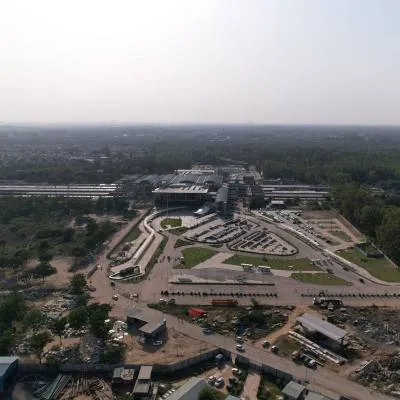
However, to ensure the smooth functioning and maintenance of the Line 6 services, adequate depot facilities are imperative. The depot serves as the operational hub where trains are stored, inspected, and maintained. Additionally, it facilitates essential functions such as cleaning, repair, and refuelling, contributing significantly to the reliability and efficiency of the metro services.

MMRDA's initiative to acquire additional land for the Line 6 depot underscores its commitment to delivering world-class metro infrastructure. The expansion project aims to accommodate the growing fleet of metro trains and enhance operational capabilities. By strategically planning for future requirements, MMRDA is proactively addressing the evolving needs of Mumbai's dynamic urban landscape.

Moreover, the expansion of the depot aligns with broader objectives of sustainable urban development and environmental conservation. By promoting mass transit systems like the metro, MMRDA aims to reduce reliance on private vehicles, thereby curbing pollution and mitigating traffic congestion. This holistic approach towards urban planning reflects MMRDA's dedication to creating livable, resilient cities for present and future generations.

In conclusion, MMRDA's pursuit of additional land for the Mumbai Metro Line 6 depot is a testament to its forward-thinking approach and steadfast commitment to enhancing public transportation infrastructure. As Mumbai continues to evolve as a global metropolis, investments in projects like Line 6 are pivotal in shaping a more connected, sustainable future for the city and its inhabitants.

The Mumbai Metropolitan Region Development Authority (MMRDA) is on a mission to bolster the infrastructure for Mumbai's burgeoning metro network. With the city's population continually on the rise, efficient public transportation systems are essential to alleviate congestion and improve mobility for millions of residents. In line with this vision, MMRDA is seeking additional land to expand the depot for Mumbai Metro Line 6. Mumbai Metro Line 6, also known as the Lokhandwala-Jogeshwari-Vikhroli-Kanjurmarg (LJVK) corridor, is a vital component of the city's metro expansion plans. The corridor will connect Lokhandwala in Andheri to Kanjurmarg via Jogeshwari and Vikhroli, traversing through densely populated areas and commercial hubs. Scheduled to be operational in phases, this metro line promises to enhance connectivity and ease commuting woes for millions of Mumbaikars. However, to ensure the smooth functioning and maintenance of the Line 6 services, adequate depot facilities are imperative. The depot serves as the operational hub where trains are stored, inspected, and maintained. Additionally, it facilitates essential functions such as cleaning, repair, and refuelling, contributing significantly to the reliability and efficiency of the metro services. MMRDA's initiative to acquire additional land for the Line 6 depot underscores its commitment to delivering world-class metro infrastructure. The expansion project aims to accommodate the growing fleet of metro trains and enhance operational capabilities. By strategically planning for future requirements, MMRDA is proactively addressing the evolving needs of Mumbai's dynamic urban landscape. Moreover, the expansion of the depot aligns with broader objectives of sustainable urban development and environmental conservation. By promoting mass transit systems like the metro, MMRDA aims to reduce reliance on private vehicles, thereby curbing pollution and mitigating traffic congestion. This holistic approach towards urban planning reflects MMRDA's dedication to creating livable, resilient cities for present and future generations. In conclusion, MMRDA's pursuit of additional land for the Mumbai Metro Line 6 depot is a testament to its forward-thinking approach and steadfast commitment to enhancing public transportation infrastructure. As Mumbai continues to evolve as a global metropolis, investments in projects like Line 6 are pivotal in shaping a more connected, sustainable future for the city and its inhabitants.

Next Story
Infrastructure Transport

MMRDA advances 250 m on Orange Gate–Marine Drive tunnel

The Mumbai Metropolitan Region Development Authority (MMRDA) has completed 250 m of underground tunnelling for the Orange Gate–Marine Drive Urban Road Tunnel using India’s largest slurry shield tunnel boring machine (TBM) deployed for an urban road project.The project involves twin tunnels extending over 7 km beneath critical transport corridors, including Central Railway, Western Railway and Metro Line 3. The work requires high-precision engineering to navigate densely developed urban infrastructure.Once completed, the tunnel is expected to reduce travel time between Orange Gate and Marin..

Next Story
Infrastructure Urban

Hindustan Zinc Pays Rs 188.46 Billion in FY26

Hindustan Zinc contributed Rs 188.46 billion to the public exchequer in FY 2025-26, according to its 9th Tax Transparency Report. The contribution, equivalent to 46 per cent of the company’s revenue, included direct and indirect taxes, government royalties, dividends to the Government of India, withholding taxes and other statutory levies.The company’s five-year cumulative contribution to the exchequer stood at Rs 915.72 billion. In FY26, Hindustan Zinc reported revenue of Rs 408.44 billion, EBITDA of Rs 221.62 billion and profit after tax of Rs 138.32 billion. It also achieved its highest..

Next Story
Infrastructure Urban

World of Concrete India 2026 Opens in Mumbai

Informa Markets in India will host the 12th edition of World of Concrete India 2026 from 3–5 June 2026 at the Bombay Exhibition Centre, Mumbai. The specialised B2B exhibition will bring together manufacturers, suppliers, contractors, developers, architects, consultants, infrastructure companies, project leaders and government stakeholders.The event is expected to feature over 350 brands and more than 18,000 trade professionals. It will cover concrete and cement, dry mortar, precast technologies, formwork, construction chemicals, industrial and commercial flooring, scaffolding, safety solutio..

Advertisement

Subscribe to Our Newsletter

Get daily newsletters around different themes from Construction world.

STAY CONNECTED

Advertisement

Advertisement

Advertisement

-->