Modi To Inaugurate Three New Metro Lines In Kolkata
RAILWAYS & METRO RAIL

Modi To Inaugurate Three New Metro Lines In Kolkata

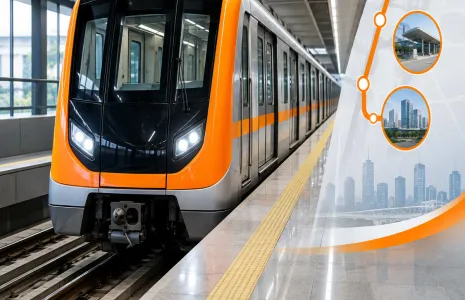
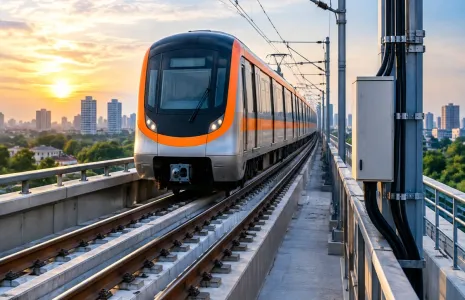
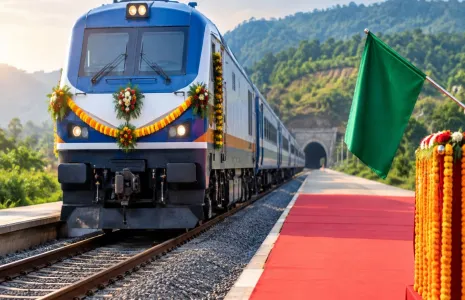
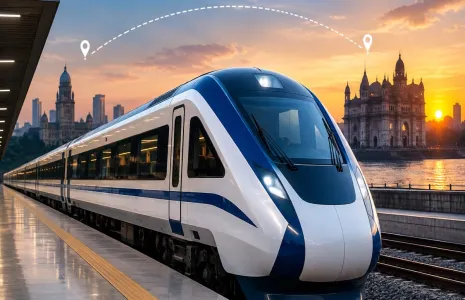
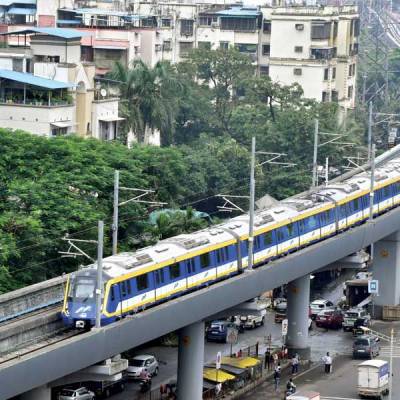
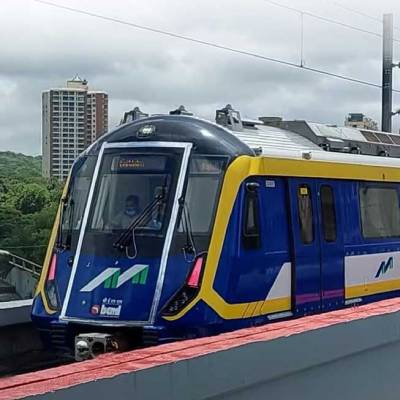
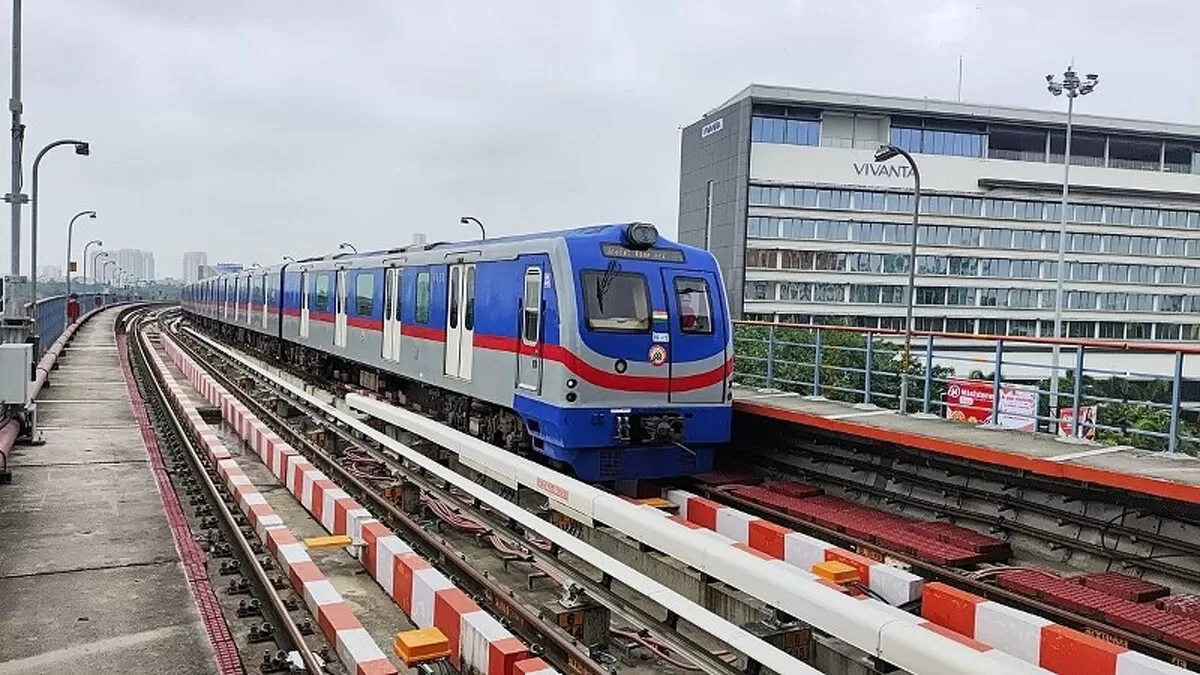
Prime Minister Narendra Modi will inaugurate three new metro lines in Kolkata on Friday, marking a major expansion of the city’s urban transport network. The move comes ahead of Durga Puja, with the enhanced connectivity expected to make travel during the festivities more convenient and stress-free.
The new services aim to provide an affordable and efficient alternative to the city’s congested roads. Fares begin at Rs 5 and are capped at Rs 70, with a distance-based structure across corridors.
On the East-West Metro (Green Line), linking Howrah Maidan to Salt Lake Sector V, journeys up to 2 km cost Rs 5, while the end-to-end fare is Rs 70. This line includes India’s first underwater metro tunnel and will cut travel time significantly. A trip from Howrah to Sector V, which earlier cost at least Rs 500 by cab, will now be available for Rs 70.
The Yellow Line (Noapara–Jai Hind Bimanbandar) is the first phase of a direct metro link to Netaji Subhash Chandra Bose International Airport. Covering 7 km, it connects the airport to Noapara, a major interchange on the Blue Line. Fares range from Rs 5 for the shortest ride (Airport to Jessore Road) to Rs 45 for longer journeys such as Airport to Kavi Subhash.
The Orange Line (Hemanta Mukhopadhyay–Beleghata) extends 4.4 km from Ruby Crossing to Beleghata, connecting key areas including Science City and major hospitals. Integrated fares mean a passenger can travel from the Airport to Ruby for Rs 65 or to Howrah Maidan for Rs 50.
This expansion represents a significant leap in Kolkata’s metro growth. Between 1984, when the country’s first metro opened in the city, and 2014, only 27.99 km of track had been built. Over the past decade, more than 45 km have been added, reflecting a 161 per cent rise in capacity.
The improved network is expected to ease congestion, enhance economic opportunities, and make daily commutes more efficient for millions of residents.

Rate Chart
  • Airport to Jessore Road – Rs 5
  • Airport to Noapara – Rs 20
  • Airport to Chandni Chowk/Esplanade – Rs 40
  • Airport to Kavi Subhash – Rs 45
  • Airport to Howrah – Rs 50
  • Airport to Ruby – Rs 65
  • Airport to Sector V – Rs 70


Image source:https://www.indiablooms.com/

Prime Minister Narendra Modi will inaugurate three new metro lines in Kolkata on Friday, marking a major expansion of the city’s urban transport network. The move comes ahead of Durga Puja, with the enhanced connectivity expected to make travel during the festivities more convenient and stress-free.The new services aim to provide an affordable and efficient alternative to the city’s congested roads. Fares begin at Rs 5 and are capped at Rs 70, with a distance-based structure across corridors.On the East-West Metro (Green Line), linking Howrah Maidan to Salt Lake Sector V, journeys up to 2 km cost Rs 5, while the end-to-end fare is Rs 70. This line includes India’s first underwater metro tunnel and will cut travel time significantly. A trip from Howrah to Sector V, which earlier cost at least Rs 500 by cab, will now be available for Rs 70.The Yellow Line (Noapara–Jai Hind Bimanbandar) is the first phase of a direct metro link to Netaji Subhash Chandra Bose International Airport. Covering 7 km, it connects the airport to Noapara, a major interchange on the Blue Line. Fares range from Rs 5 for the shortest ride (Airport to Jessore Road) to Rs 45 for longer journeys such as Airport to Kavi Subhash.The Orange Line (Hemanta Mukhopadhyay–Beleghata) extends 4.4 km from Ruby Crossing to Beleghata, connecting key areas including Science City and major hospitals. Integrated fares mean a passenger can travel from the Airport to Ruby for Rs 65 or to Howrah Maidan for Rs 50.This expansion represents a significant leap in Kolkata’s metro growth. Between 1984, when the country’s first metro opened in the city, and 2014, only 27.99 km of track had been built. Over the past decade, more than 45 km have been added, reflecting a 161 per cent rise in capacity.The improved network is expected to ease congestion, enhance economic opportunities, and make daily commutes more efficient for millions of residents.Rate ChartAirport to Jessore Road – Rs 5Airport to Noapara – Rs 20Airport to Chandni Chowk/Esplanade – Rs 40Airport to Kavi Subhash – Rs 45Airport to Howrah – Rs 50Airport to Ruby – Rs 65Airport to Sector V – Rs 70Image source:https://www.indiablooms.com/

Next Story
Infrastructure Urban

Mount Invests Rs 250 Cr, Adds PUF & PEB Plants, 400+ Jobs

TUMKUR, Karnataka, January 8, 2025 - Mount Roofing & Structures Private Limited, one of India's  fastest-growing manufacturers in PUF and a leading solutions provider across Pre-Engineered Building  (PEB) and Polycarbonate sheets, simultaneously inaugurated its second fully automated continuous  Sandwich Panel manufacturing line and a new PEB manufacturing plant at its integrated campus in  Tumkur." The milestone expansion, part of a total investment of INR 250 crores, marks a significant  advancement in the company's commitment to engineered performance, manu..

Next Story
Infrastructure Urban

Titan Intech Strengthens UltraLED Push With Global LED Veteran

Titan Intech has announced the induction of global LED industry veteran Su Piow Ko to its Board of Directors, marking a strategic step in strengthening its UltraLED Displays roadmap and building globally competitive LED display solutions from India.The appointment aligns with Titan Intech’s ambition to position India as a hub for advanced, high-quality LED display manufacturing. With an increased focus on UltraLED Displays, the company aims to enhance technical governance, raise manufacturing standards and expand its presence across global markets.Su Piow Ko brings over three decades of inte..

Next Story
Infrastructure Urban

Dun & Bradstreet Flags New Growth Engines in India 2026 Outlook

Dun & Bradstreet has released its India 2026: D&B’s Perspective report, projecting a stable macroeconomic environment underpinned by fresh opportunities for productivity-led and inclusive growth. The report outlines how India’s next growth phase will be driven by digitised logistics, trusted data ecosystems, clean energy and rising city vitality.According to the outlook, India’s GDP growth is expected to reach around 6.6 per cent by FY2027, supported by resilient consumer demand and sustained public investment. Manufacturing is seen entering a new phase, moving beyond scale towar..

Advertisement

Subscribe to Our Newsletter

Get daily newsletters around different themes from Construction world.

STAY CONNECTED

Advertisement

Advertisement

Advertisement

Advertisement

Open In App