Mumbai–Ahmedabad Bullet Train Stations Near Completion
RAILWAYS & METRO RAIL

Mumbai–Ahmedabad Bullet Train Stations Near Completion

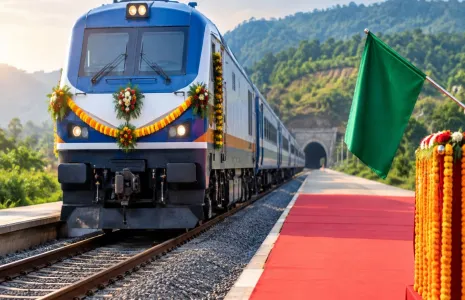
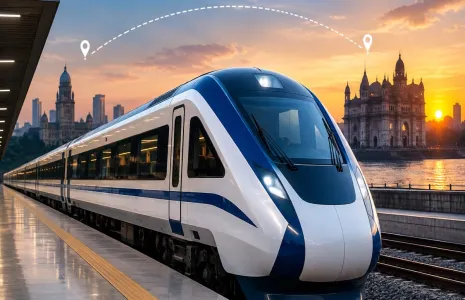
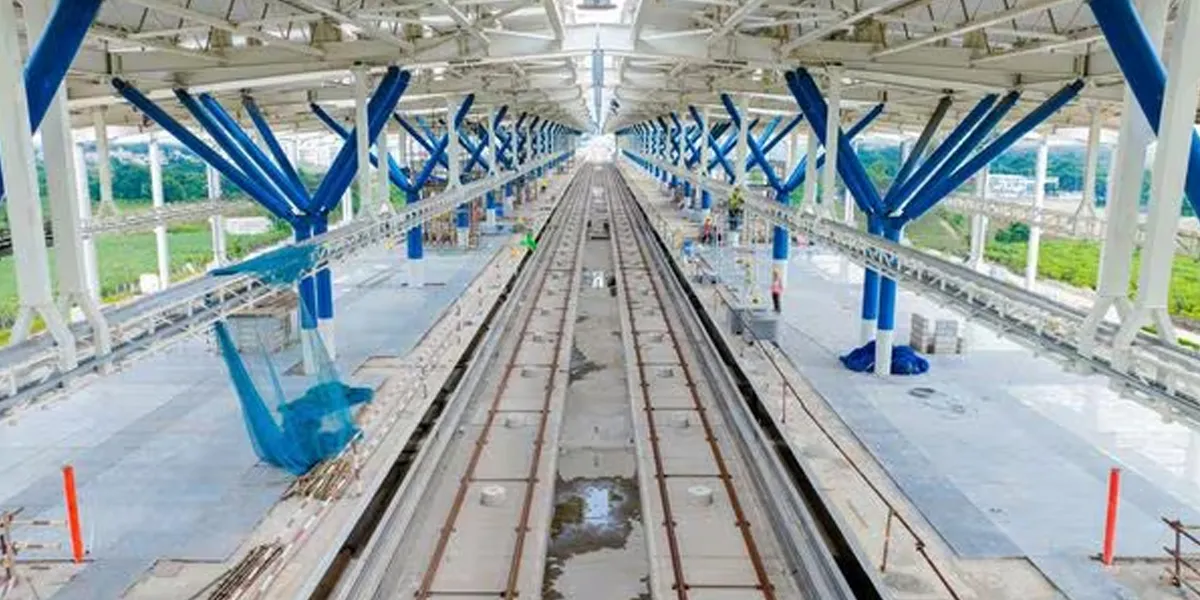
The Ministry of Railways has announced that construction work on the bullet train stations along the Mumbai–Ahmedabad High-Speed Rail (MAHSR) corridor is nearing completion. The modern, eco-friendly stations are being designed with a blend of cutting-edge technology and local cultural identity to offer passengers seamless connectivity and elevated comfort.

In a recent post on social media platform X, the Ministry stated: “The #BulletTrain stations on the Mumbai–Ahmedabad corridor in Gujarat are nearing completion. With modern design, cultural identity, seamless connectivity and eco-friendly features, the stations will redefine passenger comfort and set new benchmarks in travel.”

Number of Stations and Route
The corridor comprises 12 high-speed rail stations:
  • In Maharashtra (4 stations): Mumbai (Bandra-Kurla Complex), Thane, Virar, Boisar
  • In Gujarat (8 stations): Vapi, Bilimora, Surat, Bharuch, Vadodara, Anand, Ahmedabad, and Sabarmati
Trains will operate with two travel patterns:
  • Limited-stop service: Mumbai to Ahmedabad in approximately 2 hours and 7 minutes, halting only at Surat, Vadodara, and Ahmedabad
  • All-stops service: The full journey with all 12 stops will take about 2 hours and 58 minutes
Corridor Length and Geography
The bullet train route spans 508 kilometres, passing through:
  • 348 km in Gujarat
  • 156 km in Maharashtra
  • 4 km through Dadra & Nagar Haveli Union Territory
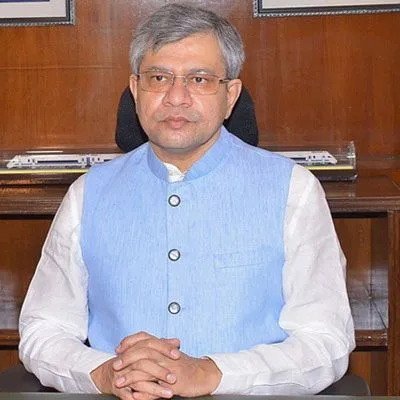
While the official inauguration date is yet to be announced, Union Railway Minister Ashwini Vaishnaw recently confirmed that operations will commence “very soon.” The bullet train will dramatically reduce the travel time between Mumbai and Ahmedabad.

Ticket Pricing (Indicative)
Although official fares have not been released, estimates suggest tickets may range between Rs 3,000 to Rs 5,000 per passenger, depending on service type and class.
The Mumbai–Ahmedabad bullet train project is being executed by the National High-Speed Rail Corporation Ltd (NHSRCL) and is expected to set a new benchmark in India’s transport infrastructure, bringing Japanese Shinkansen-style travel to Indian passengers.

"Join industry leaders at RAHSTA Expo, India's premier platform for roads, highways and traffic infrastructure. Register now to explore innovations, network with experts and shape the future of mobility."

The Ministry of Railways has announced that construction work on the bullet train stations along the Mumbai–Ahmedabad High-Speed Rail (MAHSR) corridor is nearing completion. The modern, eco-friendly stations are being designed with a blend of cutting-edge technology and local cultural identity to offer passengers seamless connectivity and elevated comfort.In a recent post on social media platform X, the Ministry stated: “The #BulletTrain stations on the Mumbai–Ahmedabad corridor in Gujarat are nearing completion. With modern design, cultural identity, seamless connectivity and eco-friendly features, the stations will redefine passenger comfort and set new benchmarks in travel.”Number of Stations and RouteThe corridor comprises 12 high-speed rail stations:In Maharashtra (4 stations): Mumbai (Bandra-Kurla Complex), Thane, Virar, BoisarIn Gujarat (8 stations): Vapi, Bilimora, Surat, Bharuch, Vadodara, Anand, Ahmedabad, and SabarmatiTrains will operate with two travel patterns:Limited-stop service: Mumbai to Ahmedabad in approximately 2 hours and 7 minutes, halting only at Surat, Vadodara, and AhmedabadAll-stops service: The full journey with all 12 stops will take about 2 hours and 58 minutesCorridor Length and GeographyThe bullet train route spans 508 kilometres, passing through:348 km in Gujarat156 km in Maharashtra4 km through Dadra & Nagar Haveli Union TerritoryWhile the official inauguration date is yet to be announced, Union Railway Minister Ashwini Vaishnaw recently confirmed that operations will commence “very soon.” The bullet train will dramatically reduce the travel time between Mumbai and Ahmedabad.Ticket Pricing (Indicative)Although official fares have not been released, estimates suggest tickets may range between Rs 3,000 to Rs 5,000 per passenger, depending on service type and class.The Mumbai–Ahmedabad bullet train project is being executed by the National High-Speed Rail Corporation Ltd (NHSRCL) and is expected to set a new benchmark in India’s transport infrastructure, bringing Japanese Shinkansen-style travel to Indian passengers.

Next Story
Real Estate

Pecan Realty Completes Rs 1.5 Billion Transactions

Pecan Realty has recently completed four institutional transactions worth over Rs 1.5 billion over the past two years, strengthening its position as an execution-led real estate platform. The deals include resolution-led acquisitions, structured finance transactions and capital partnerships across its development portfolio.The transactions covered acquisitions through the National Company Law Tribunal process and helped provide repayment or exits to both private and public sector lenders. The company said the deals demonstrate its ability to resolve complex project situations, work with instit..

Next Story
Real Estate

SNN Estates Expands North Bengaluru Housing Project

SNN Estates has announced an expansion of its SNN Estates Felicity residential project in North Bengaluru following strong buyer demand, with 75 per cent of the first-phase inventory sold within three days of launch.The developer will add 76 apartments in the new phase, taking the project's estimated revenue potential to around Rs 1,000 crore upon completion of Phase 2.Spread across 6.5 acres in Rachenahalli, near Manyata Tech Park, the project comprises 604 apartments in 1.5, 2, 2.5, 3 and 4 BHK configurations. The development includes a 50,000-sq-ft clubhouse with amenities such as sports co..

Next Story
Infrastructure Urban

SCG Drives ASEAN Industrial Transformation Strategy

SCG is strengthening its focus on ASEAN as a key growth region by advancing industrial transformation, enhancing competitiveness and building resilient regional value chains. Thammasak Sethaudom, President and Chief Executive Officer, SCG, highlighted the need for industries to continuously develop capabilities, strengthen resilience and deepen regional cooperation to achieve sustainable long-term growth.SCG views ASEAN as an important growth engine alongside China, supported by favourable demographics, trade connectivity and investment flows. With ASEAN’s GDP projected to grow by around 4.7..

Advertisement

Subscribe to Our Newsletter

Get daily newsletters around different themes from Construction world.

STAY CONNECTED

Advertisement

Advertisement

Advertisement