Mumbai–Ahmedabad Bullet Train Tunnel Work Hits Key Milestone
RAILWAYS & METRO RAIL

Mumbai–Ahmedabad Bullet Train Tunnel Work Hits Key Milestone

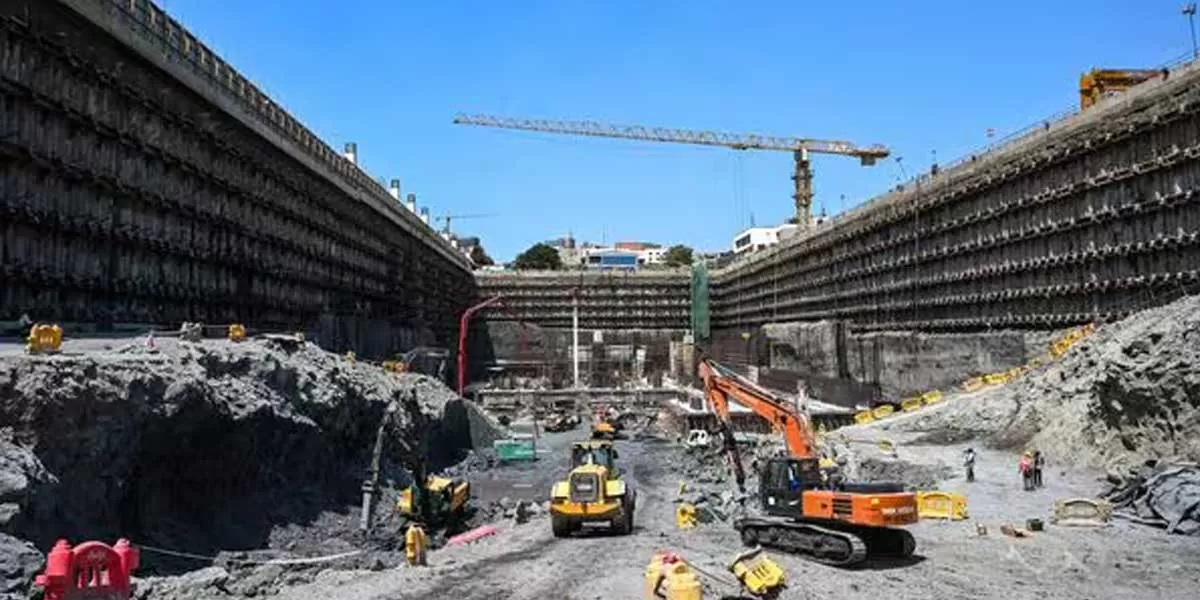
Marking a significant milestone in the Mumbai–Ahmedabad bullet train project, the first section of the 21-kilometre tunnel between Bandra-Kurla Complex (BKC) and Thane has been completed and opened, according to an official statement.
Out of the total 21-kilometre stretch, 5 kilometres between Shilphata and Ghansoli in Maharashtra were constructed using the New Austrian Tunnelling Method (NATM), while the remaining 16 kilometres are being built using Tunnel Boring Machines (TBMs). The tunnel includes a 7-kilometre undersea segment beneath Thane Creek.
The National High-Speed Rail Corporation Limited (NHSRCL) also announced the successful completion of a 310-kilometre viaduct along the corridor. Track laying, installation of overhead electrical wires, and construction of stations and bridges are progressing rapidly.
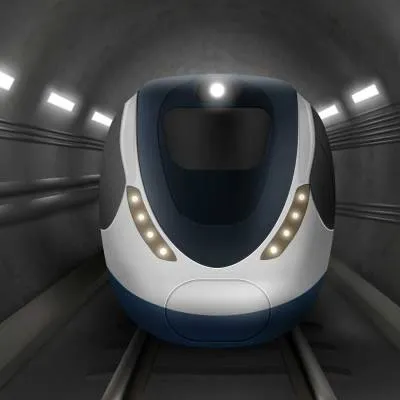
The full 508-kilometre Mumbai–Ahmedabad high-speed rail corridor consists of 352 kilometres in Gujarat and 156 kilometres in Maharashtra. The project is being implemented using Japanese Shinkansen technology. Upon completion, next-generation E10 Shinkansen trains are expected to run on the route.
The Japanese government has agreed to introduce E10 trains for this project, in alignment with the strategic partnership between Japan and India. The E10 Shinkansen models are set to debut simultaneously in both countries.
The NHSRCL said this flagship project will serve as the foundation for future high-speed rail corridors across India, with several other routes under active evaluation.
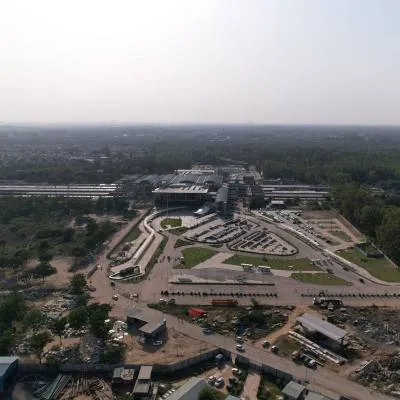
In Maharashtra, major structural and tunnelling milestones have been achieved. Work on the three elevated stations in Thane, Virar, and Boisar is progressing at pace, with the first station slabs recently cast for Virar and Boisar.

Marking a significant milestone in the Mumbai–Ahmedabad bullet train project, the first section of the 21-kilometre tunnel between Bandra-Kurla Complex (BKC) and Thane has been completed and opened, according to an official statement.Out of the total 21-kilometre stretch, 5 kilometres between Shilphata and Ghansoli in Maharashtra were constructed using the New Austrian Tunnelling Method (NATM), while the remaining 16 kilometres are being built using Tunnel Boring Machines (TBMs). The tunnel includes a 7-kilometre undersea segment beneath Thane Creek.The National High-Speed Rail Corporation Limited (NHSRCL) also announced the successful completion of a 310-kilometre viaduct along the corridor. Track laying, installation of overhead electrical wires, and construction of stations and bridges are progressing rapidly.The full 508-kilometre Mumbai–Ahmedabad high-speed rail corridor consists of 352 kilometres in Gujarat and 156 kilometres in Maharashtra. The project is being implemented using Japanese Shinkansen technology. Upon completion, next-generation E10 Shinkansen trains are expected to run on the route.The Japanese government has agreed to introduce E10 trains for this project, in alignment with the strategic partnership between Japan and India. The E10 Shinkansen models are set to debut simultaneously in both countries.The NHSRCL said this flagship project will serve as the foundation for future high-speed rail corridors across India, with several other routes under active evaluation.In Maharashtra, major structural and tunnelling milestones have been achieved. Work on the three elevated stations in Thane, Virar, and Boisar is progressing at pace, with the first station slabs recently cast for Virar and Boisar. 

Next Story
Infrastructure Urban

India Expands Semiconductor Training To 500 Institutions

Under the Chips to Startups programme of the India Semiconductor Mission, the Union minister responsible for Railways, Information and Broadcasting, and Electronics and IT reported notable progress in talent development. He indicated that over the past four years substantial steps have been taken towards a 10-year target of training 85,000 engineers in semiconductor design. World-class EDA tools have been deployed in 315 academic institutions across the country to provide students with practical exposure to chip design. These EDA tools are supported by leading global firms and are accessible t..

Next Story
Infrastructure Urban

Delhi Institutions Support India Semiconductor Mission

The Government of India has prioritised talent development through training, upskilling and workforce development under the Chips to Startups initiative of the India Semiconductor Mission, with officials noting progress in four years towards a 10-year target of training 85,000 engineers in semiconductor design. Electronic design automation tools provided by Synopsys, Cadence, Siemens, Renesas, Ansys and AMD have been deployed in 315 academic institutions, enabling students to gain practical chip design experience. Chips have been fabricated and tested at the Semiconductor Laboratory, Mohali, a..

Next Story
Infrastructure Urban

NHA Announces Winners Of NHCX Hackathon At IIT Hyderabad

The National Health Authority (NHA) has concluded the NHCX Hackathon under the Ayushman Bharat Digital Mission (ABDM) to stimulate innovation around the National Health Claims Exchange (NHCX). The winning teams presented their solutions at the NHCX Innovation Meet held at IIT Hyderabad during a two-day event in March 2026 that also served as the hackathon grand finale. The hackathon itself ran from 22 to 28 February 2026 and aimed to accelerate paperless, transparent claims processing across India. The event was organised with a range of ecosystem partners, including the Insurance Regulatory a..

Advertisement

Subscribe to Our Newsletter

Get daily newsletters around different themes from Construction world.

STAY CONNECTED

Advertisement

Advertisement

Advertisement