Mumbai Metro Line Three Dharavi–Worli Stretch Awaits Safety Approval
RAILWAYS & METRO RAIL

Mumbai Metro Line Three Dharavi–Worli Stretch Awaits Safety Approval

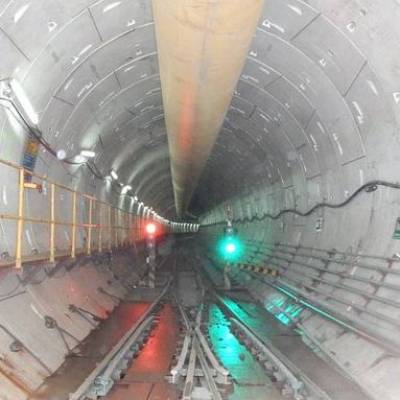
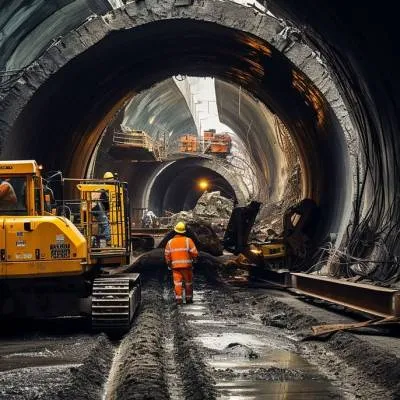
Phase two of Mumbai's underground Metro Line Three, linking Dharavi to Acharya Atre Chowk in Worli, is nearing completion and awaiting certification from the Commissioner of Metro Rail Safety (CMRS). The certification is mandatory before passenger operations begin.

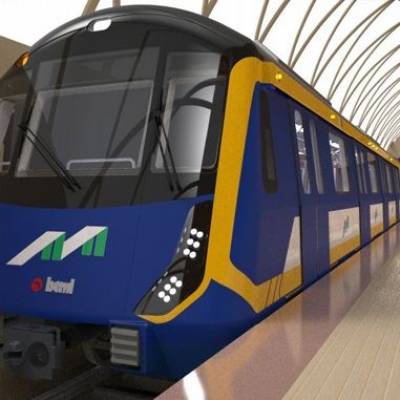
Currently, Metro Line Three operates from Aarey to Bandra Kurla Complex (BKC), spanning twelve point four four kilometres with ten stations. This section runs ninety-six daily trips from six thirty AM to ten thirty PM, reducing travel from Aarey to BKC to thirty minutes compared to over one hour by road via Western Express Highway.

On April eighteen, Mumbai Metro Rail Corporation Limited (MMRCL) adjusted operational hours to integrate trial runs between the Aarey–BKC corridor and the upcoming six-station extension to Acharya Atre Chowk. Once fully operational, the 33.5 Km connect six commercial districts, thirty major office hubs, twelve educational institutions, eleven hospitals, ten transport nodes, and twenty-five recreational and religious centres. The corridor, projected to serve one point four Mn passengers daily, will also offer direct access to Mumbai's domestic and international airports.

Source: Free Press Journal

Phase two of Mumbai's underground Metro Line Three, linking Dharavi to Acharya Atre Chowk in Worli, is nearing completion and awaiting certification from the Commissioner of Metro Rail Safety (CMRS). The certification is mandatory before passenger operations begin. Currently, Metro Line Three operates from Aarey to Bandra Kurla Complex (BKC), spanning twelve point four four kilometres with ten stations. This section runs ninety-six daily trips from six thirty AM to ten thirty PM, reducing travel from Aarey to BKC to thirty minutes compared to over one hour by road via Western Express Highway. On April eighteen, Mumbai Metro Rail Corporation Limited (MMRCL) adjusted operational hours to integrate trial runs between the Aarey–BKC corridor and the upcoming six-station extension to Acharya Atre Chowk. Once fully operational, the 33.5 Km connect six commercial districts, thirty major office hubs, twelve educational institutions, eleven hospitals, ten transport nodes, and twenty-five recreational and religious centres. The corridor, projected to serve one point four Mn passengers daily, will also offer direct access to Mumbai's domestic and international airports. Source: Free Press Journal

Next Story
Building Material

Cement Makers Positive on H2 Demand Outlook

The leading cement producers have posted high single-digit volume growth and better sales realisation in the July–September quarter, setting a positive tone for the second half of FY26. Companies are upbeat on demand prospects, supported by a strong housing sector and continued government spending on major infrastructure projects. UltraTech, Ambuja Cement, Shree Cement, Dalmia Bharat and Nuvoco Vistas recorded revenue growth of up to 18 per cent in the September quarter. The rise was driven by firm realisations, softer input costs and an increased share of premium products. With coal price..

Next Story
Infrastructure Urban

Odisha Targets Role as MSME Hub for Eastern India

Odisha has set its sights on becoming the MSME gateway of eastern India, Chief Minister Mohan Charan Majhi said at the Odisha Industrial Conclave 2025, organised by Laghu Udyog Bharati (LUB). Calling the state a land of possibilities, he noted that Odisha has emerged as a leading destination for micro, small and medium enterprises.He said that reforms such as the Go-Swift single-window system now allow project approvals within a day. Odisha has also invested 6.1 per cent of its GDP in infrastructure development, which is expected to further accelerate industrial and MSME growth.Majhi emphasise..

Next Story
Infrastructure Energy

Coal Ministry Eases Process for Exploration and GR Approvals

The Ministry of Coal has introduced a simplified approval mechanism for exploration programmes and Geological Reports (GRs) for coal and lignite blocks. The reform aims to accelerate exploration activity, reduce procedural delays and strengthen India’s preparedness for rising energy demand.Under the revised process, reports prepared by Notified Accredited Prospecting Agencies (APAs) and peer-reviewed by another accredited agency no longer require approval from the committee set up in January 2022. This marks a major shift towards faster, more transparent and technology-driven exploration.By ..

Advertisement

Subscribe to Our Newsletter

Get daily newsletters around different themes from Construction world.

STAY CONNECTED

Advertisement

Advertisement

Advertisement

Advertisement

Open In App