Mumbai Monorail To Resume With New CBTC Trains
RAILWAYS & METRO RAIL

Mumbai Monorail To Resume With New CBTC Trains

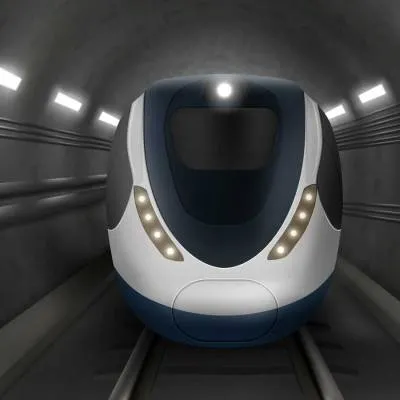
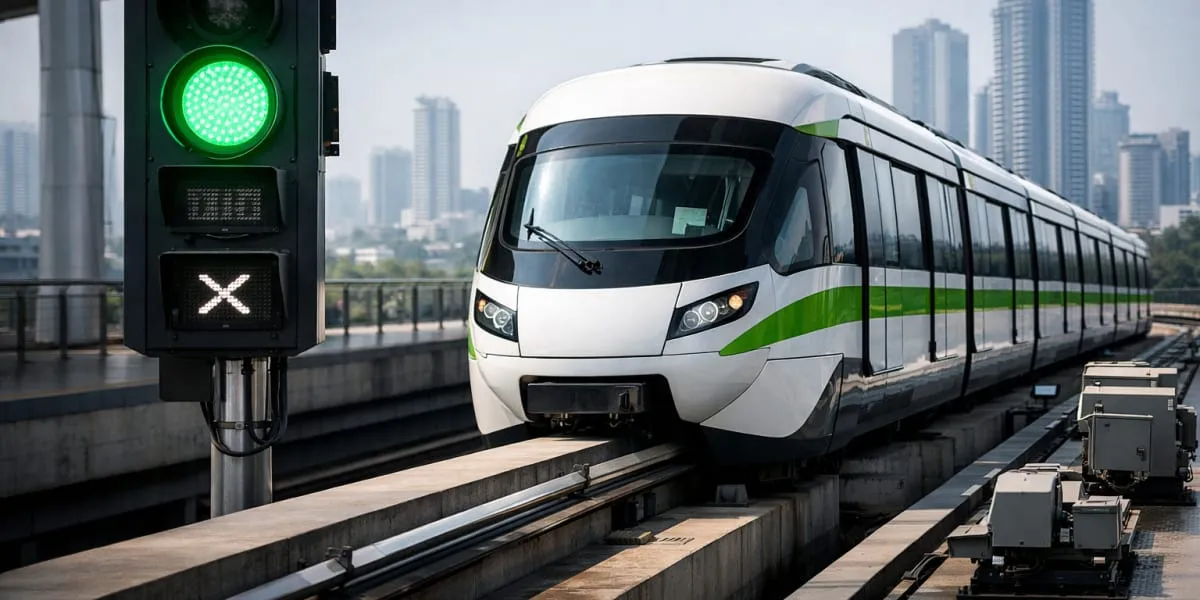
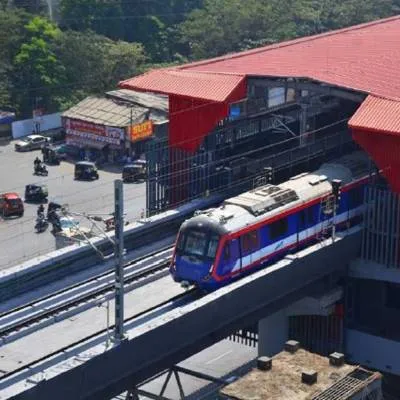
Mumbai's Monorail will resume passenger services after a modernisation that includes an upgraded Communication-Based Train Control signalling system and a new fleet of Made in India trains. The Commissioner of Metro Rail Safety granted final statutory clearance and the Mumbai Metropolitan Region Development Authority obtained state approvals to restart operations. The move is intended to improve reliability and Metro connectivity.

MMRDA indicates operational losses are likely to continue because the corridor's permitted passenger capacity remains constrained. Annual losses are estimated to fall from nearly Rs 1.8 billion (bn) to around Rs 1.2 bn after modernisation, reflecting energy savings and improved systems but not restoring profitability. The authority cites regenerative braking and other efficiencies for the reduced costs.

The upgrade includes the induction of 10 new monorail rakes and retrofitting of the existing fleet with CBTC technology to enable continuous communication, reduced headway and improved scheduling. The signalling changes are expected to increase service frequency and enhance operational safety ahead of the restart.

The monorail's single elevated guideway limits passenger numbers and staff will manage station entry to prevent overcrowding, so commuters may need to wait for later services when capacity is reached. The measure follows earlier disruptions from sudden demand surges and standard operating procedures have been revised to support crowd management.

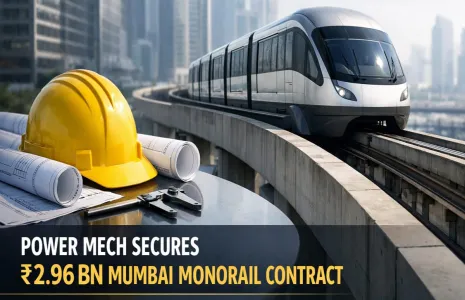
The 19.54 km corridor between Sant Ghadge Maharaj Chowk in Mahalaxmi and Chembur was built at a cost of about Rs 24.6 bn and comprises 17 stations. MMRDA is constructing a foot overbridge with travelators to link V.N. Purav Chowk Monorail station with the upcoming Metro Line 2B Chembur station, about 50 metres away. The authority has appointed Power Mech Projects to operate and maintain the network for five years and expects the upgrades and Metro integration to improve commuter convenience, while acknowledging the system is unlikely to become financially self sustaining.

"Join industry leaders at RAHSTA Expo, India's premier platform for roads, highways and traffic infrastructure. Register now to explore innovations, network with experts and shape the future of mobility."

Mumbai's Monorail will resume passenger services after a modernisation that includes an upgraded Communication-Based Train Control signalling system and a new fleet of Made in India trains. The Commissioner of Metro Rail Safety granted final statutory clearance and the Mumbai Metropolitan Region Development Authority obtained state approvals to restart operations. The move is intended to improve reliability and Metro connectivity. MMRDA indicates operational losses are likely to continue because the corridor's permitted passenger capacity remains constrained. Annual losses are estimated to fall from nearly Rs 1.8 billion (bn) to around Rs 1.2 bn after modernisation, reflecting energy savings and improved systems but not restoring profitability. The authority cites regenerative braking and other efficiencies for the reduced costs. The upgrade includes the induction of 10 new monorail rakes and retrofitting of the existing fleet with CBTC technology to enable continuous communication, reduced headway and improved scheduling. The signalling changes are expected to increase service frequency and enhance operational safety ahead of the restart. The monorail's single elevated guideway limits passenger numbers and staff will manage station entry to prevent overcrowding, so commuters may need to wait for later services when capacity is reached. The measure follows earlier disruptions from sudden demand surges and standard operating procedures have been revised to support crowd management. The 19.54 km corridor between Sant Ghadge Maharaj Chowk in Mahalaxmi and Chembur was built at a cost of about Rs 24.6 bn and comprises 17 stations. MMRDA is constructing a foot overbridge with travelators to link V.N. Purav Chowk Monorail station with the upcoming Metro Line 2B Chembur station, about 50 metres away. The authority has appointed Power Mech Projects to operate and maintain the network for five years and expects the upgrades and Metro integration to improve commuter convenience, while acknowledging the system is unlikely to become financially self sustaining.

Next Story
Real Estate

SNN Estates Expands North Bengaluru Housing Project

SNN Estates has announced an expansion of its SNN Estates Felicity residential project in North Bengaluru following strong buyer demand, with 75 per cent of the first-phase inventory sold within three days of launch.The developer will add 76 apartments in the new phase, taking the project's estimated revenue potential to around Rs 1,000 crore upon completion of Phase 2.Spread across 6.5 acres in Rachenahalli, near Manyata Tech Park, the project comprises 604 apartments in 1.5, 2, 2.5, 3 and 4 BHK configurations. The development includes a 50,000-sq-ft clubhouse with amenities such as sports co..

Next Story
Infrastructure Urban

SCG Drives ASEAN Industrial Transformation Strategy

SCG is strengthening its focus on ASEAN as a key growth region by advancing industrial transformation, enhancing competitiveness and building resilient regional value chains. Thammasak Sethaudom, President and Chief Executive Officer, SCG, highlighted the need for industries to continuously develop capabilities, strengthen resilience and deepen regional cooperation to achieve sustainable long-term growth.SCG views ASEAN as an important growth engine alongside China, supported by favourable demographics, trade connectivity and investment flows. With ASEAN’s GDP projected to grow by around 4.7..

Next Story
Products

EUROBOND Expands NABL Accreditation to 51 Testing Parameters

EUROBOND, the flagship brand of Euro Panel Products, has expanded the National Accreditation Board for Testing and Calibration Laboratories (NABL) accreditation of its in-house laboratory from 16 to 51 mechanical and chemical testing parameters, making it the only Indian aluminium composite panel (ACP) manufacturer with accreditation covering such an extensive testing scope.The expanded accreditation enables the company to independently test coils, coatings, cores, aluminium composite panels (ACP) and metal composite panels (MCP) in accordance with international standards, including IS, ASTM, ..

Advertisement

Subscribe to Our Newsletter

Get daily newsletters around different themes from Construction world.

STAY CONNECTED

Advertisement

Advertisement

Advertisement