PM Modi to Inaugurate Bengaluru Metro's Pink Line on November 13
RAILWAYS & METRO RAIL

PM Modi to Inaugurate Bengaluru Metro's Pink Line on November 13

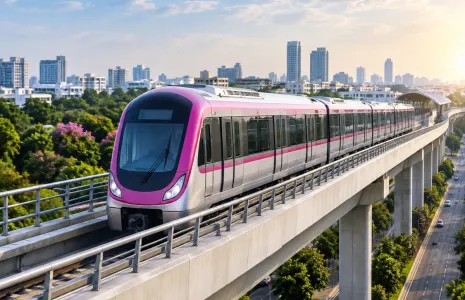
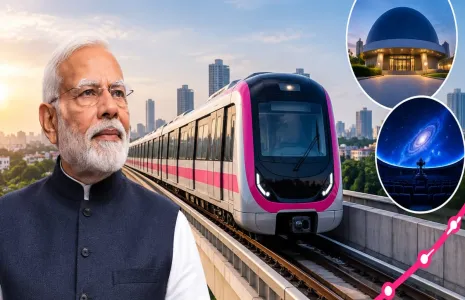
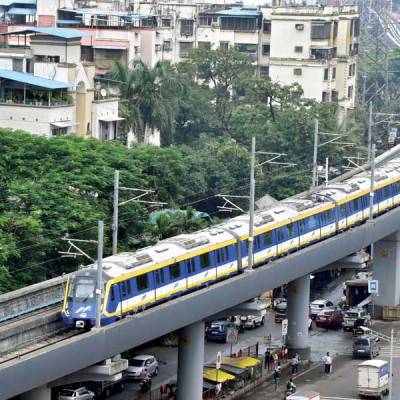
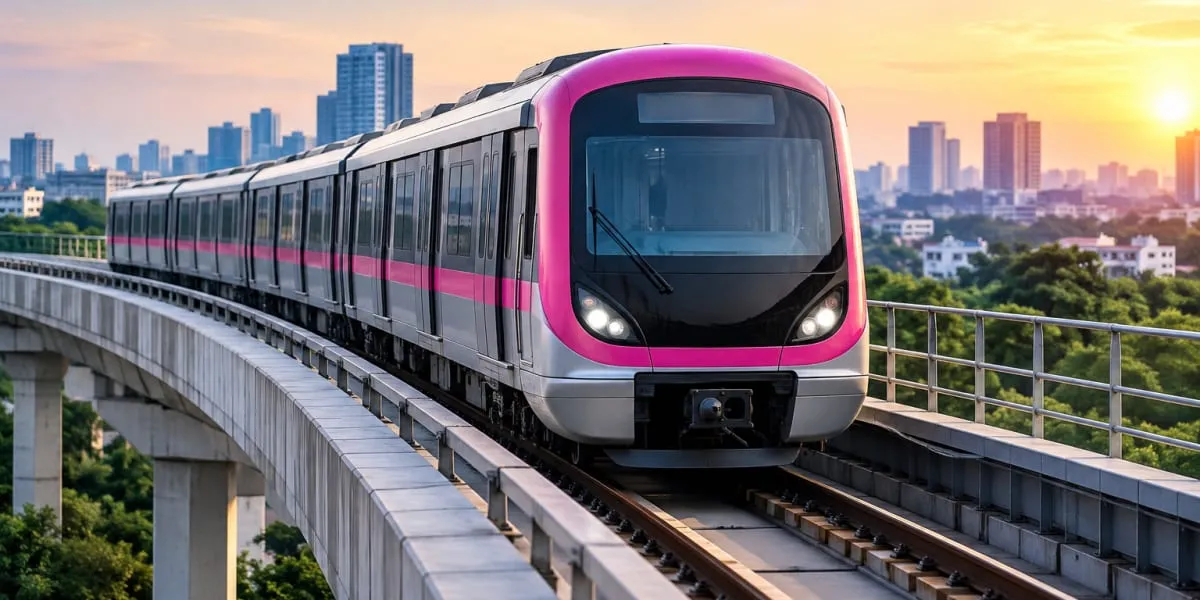
Prime Minister Narendra Modi will inaugurate the Pink Line of Namma Metro on November 13, taking Bengaluru's operational Metro network beyond the 100 km mark. Bengaluru Development Minister Krishna Byre Gowda announced the launch, which will make the city’s system the second-largest Metro network in India after Delhi.

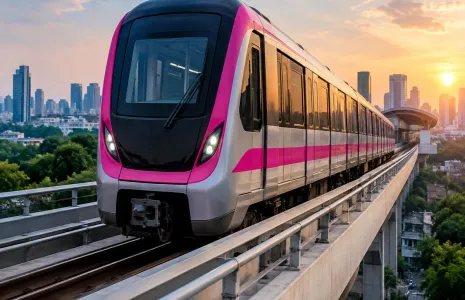
The elevated 7.5 km section will connect Kalena Agrahara with Tavarekere. Following the inauguration, the Bengaluru Metro network will extend to 103.6 km, adding a significant route to the city's urban transport infrastructure and improving connectivity across southern Bengaluru.

BJP MP Tejasvi Surya said the Prime Minister would travel from Tavarekere to IIMB-Bilekahalli Station during the inauguration and launch passenger services on the new line. The expansion is intended to support public transport use and help ease traffic congestion in the city.

Gowda said work by Bangalore Metro Rail Corporation and other agencies had helped resolve project bottlenecks and accelerate execution of the Pink Line. He added that the state would build on the progress and pursue its target of expanding the Metro network to 170 km by 2027.

The inauguration will also mark a substantial increase in Bengaluru's Metro capacity since 2014. At that time, the city had only 7 km of operational Metro lines, while the network now stands at 103.6 km, representing nearly 15-fold growth and more than 96 km of additions over the period.

The Pink Line is expected to strengthen links between residential areas, educational institutions and other important destinations along its route. Its opening will take Bengaluru past a milestone that has been under development as the city seeks to provide a larger alternative to road-based transport and address worsening congestion.

Prime Minister Narendra Modi will inaugurate the Pink Line of Namma Metro on November 13, taking Bengaluru's operational Metro network beyond the 100 km mark. Bengaluru Development Minister Krishna Byre Gowda announced the launch, which will make the city’s system the second-largest Metro network in India after Delhi. The elevated 7.5 km section will connect Kalena Agrahara with Tavarekere. Following the inauguration, the Bengaluru Metro network will extend to 103.6 km, adding a significant route to the city's urban transport infrastructure and improving connectivity across southern Bengaluru. BJP MP Tejasvi Surya said the Prime Minister would travel from Tavarekere to IIMB-Bilekahalli Station during the inauguration and launch passenger services on the new line. The expansion is intended to support public transport use and help ease traffic congestion in the city. Gowda said work by Bangalore Metro Rail Corporation and other agencies had helped resolve project bottlenecks and accelerate execution of the Pink Line. He added that the state would build on the progress and pursue its target of expanding the Metro network to 170 km by 2027. The inauguration will also mark a substantial increase in Bengaluru's Metro capacity since 2014. At that time, the city had only 7 km of operational Metro lines, while the network now stands at 103.6 km, representing nearly 15-fold growth and more than 96 km of additions over the period. The Pink Line is expected to strengthen links between residential areas, educational institutions and other important destinations along its route. Its opening will take Bengaluru past a milestone that has been under development as the city seeks to provide a larger alternative to road-based transport and address worsening congestion.

Related Stories

Gold Stories

Next Story
Equipment

BorgWarner secures three turbocharger contracts with global powertrain leader

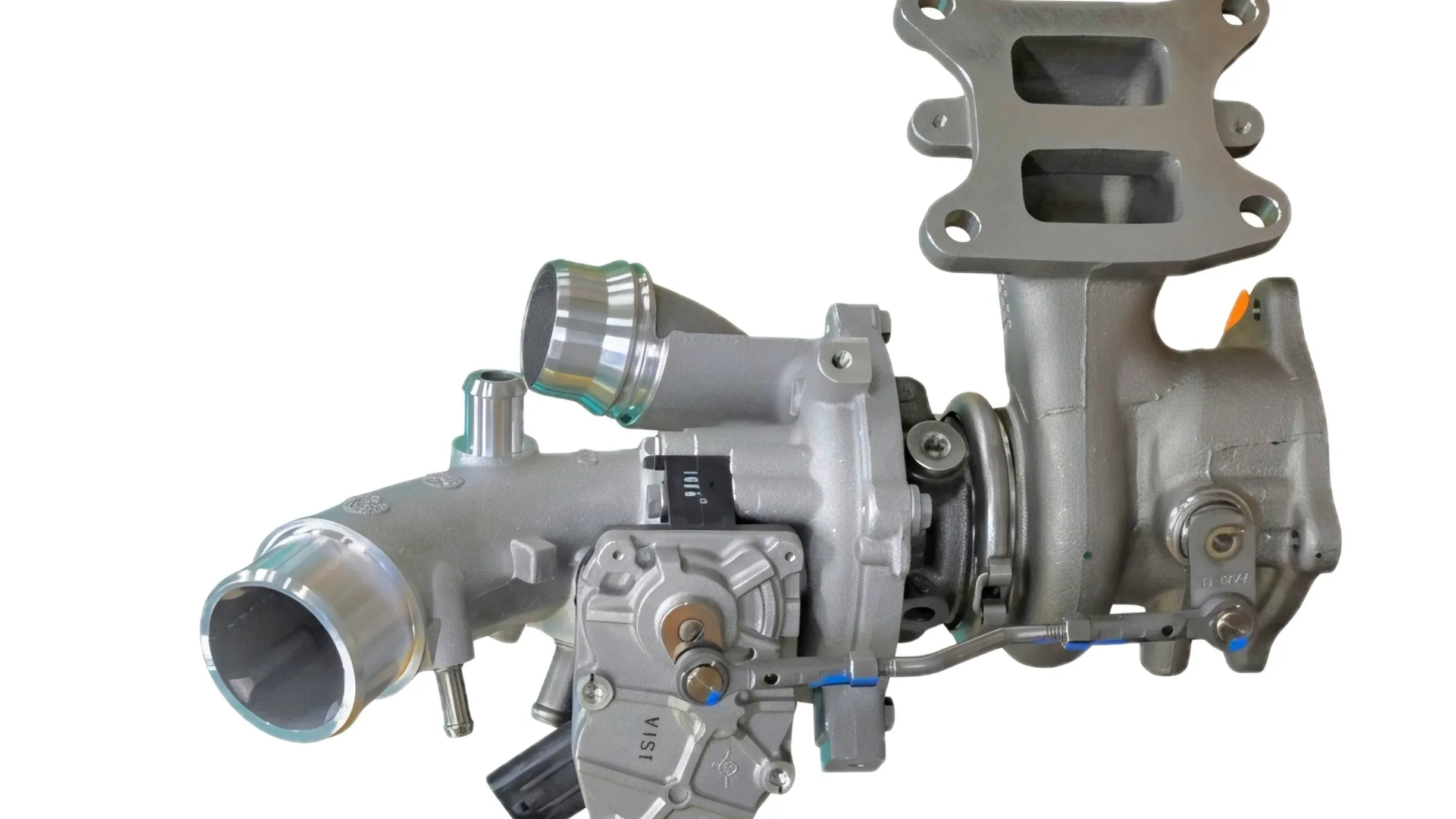
BorgWarner has secured three new turbocharger contracts with a global powertrain technology company. The wins comprise one contract for its variable turbine geometry (VTG) turbocharger and two for its wastegate turbocharger. The technologies will be deployed in the customer's light-vehicle gasoline platforms in South America and Europe, with production scheduled to begin in 2027.The VTG turbochargers are designed for gasoline engines operating under demanding conditions and high-boost pressure requirements. They are engineered to support Miller-cycle engines and withstand exhaust temperatures ..
Next Story
Infrastructure Transport

International Digi Yatra Trials Begin at Seven Airports

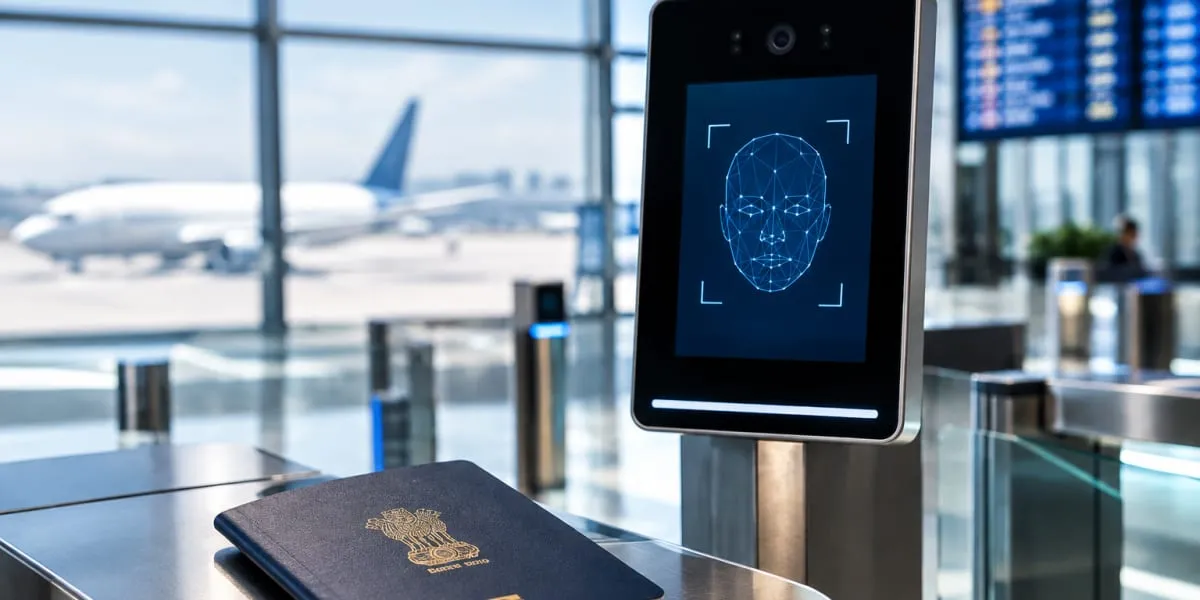
India has begun trials of Digi Yatra for international passengers at seven airports, allowing eligible Indian passport holders to use facial recognition at selected airport checkpoints. The facility is currently limited to Indian nationals with e-passports travelling on selected international flights operated by Air India and IndiGo. The Civil Aviation Ministry announced the trials on 1 November, with testing scheduled through December 2026. A wider rollout is expected in 2027 after the ministry assesses passenger feedback gathered during the trial period, according to PTI. The system is inten..

Next Story
Infrastructure Transport

Air India Plans More Wide-Body Jets, CEO Signals Profitability Soon

Air India is seeking to expand its order for wide-body aircraft as it works to increase international passenger traffic, chief executive Tewolde Gebremariam said on Tuesday. The Tata Group-owned carrier is also targeting a return to profitability in the near term, as its turnaround programme addresses fleet, network and service challenges. The comments came months after Gebremariam took charge of the airline. Gebremariam, who previously led Ethiopian Airlines, said the airline wanted more wide-body aircraft. Air India has held discussions with Boeing and Airbus while assessing the economics of..

Advertisement

Subscribe to Our Newsletter

Get daily newsletters around different themes from Construction world.

STAY CONNECTED

Advertisement

SPECIAL OFFER
QR Code