Railways Accelerates Amrit Bharat Station Upgrade Plan
RAILWAYS & METRO RAIL

Railways Accelerates Amrit Bharat Station Upgrade Plan

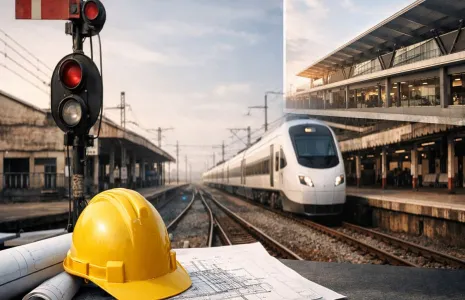
The Ministry of Railways has launched the Amrit Bharat Station Scheme to redevelop stations through a long-term, phased approach. The scheme focuses on preparing master plans and implementing them progressively to modernise key passenger amenities and improve station infrastructure.

Master plans include enhancements such as:

Better access to stations and circulating areas

Integration of stations with both sides of the city

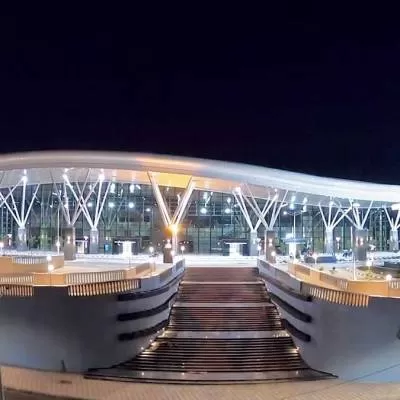
Upgraded station buildings

Improved waiting halls, toilets, seating and water facilities

Wider foot overbridges or air concourses based on passenger flows

Lifts, escalators and ramps

Improved platform surfaces and expanded platform shelters

Kiosks for local products under ‘One Station One Product’

Parking facilities and multimodal integration

Amenities for Divyangjans

Enhanced passenger information systems

Executive lounges, business meeting spaces and landscaping where needed

The scheme also aims to incorporate sustainable designs, environment-friendly solutions, ballastless tracks where necessary, and, in the long term, development of city-centre spaces around stations.

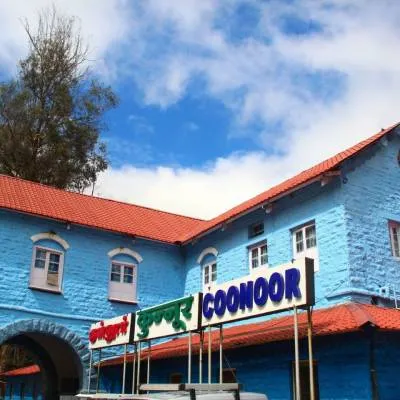
So far, 1,337 stations have been identified under the scheme, with work progressing at a strong pace. A total of 155 stations have already been upgraded. Stations are selected based on proposals from Zonal Railways, as well as those located in major cities and important tourism or pilgrimage hubs.

Development and modernisation work under the scheme is funded through Plan Head-53, ‘Customer Amenities’. For FY 2025–26, Rs 121.18 billion has been allocated, and Rs 72.53 billion has been spent up to October 2025. These allocations are maintained Zonal Railway-wise rather than by station or state.

While the scheme is primarily funded through budgetary support, 15 stations have been identified for potential development through the Public Private Partnership (PPP) route. Insights from these projects may shape future iterations of the scheme.

The Ministry emphasises that heritage structures are preserved during station redevelopment, with site-specific measures tailored to each location. Technological improvements—aimed at widening access to innovation, supporting economic growth and addressing India-specific challenges—remain an ongoing focus.

Station development is a continuous process, undertaken subject to priorities and available funding. Higher-category stations receive precedence during planning and execution. Given the complexity of redevelopment work—including safety considerations, statutory clearances and brownfield challenges such as shifting utilities, maintaining train operations and managing high-voltage lines—completion timelines cannot be firmly specified.

This information was shared by Ashwini Vaishnaw, Union Minister for Railways, Information & Broadcasting, and Electronics & Information Technology, in a written reply to the Lok Sabha.

The Ministry of Railways has launched the Amrit Bharat Station Scheme to redevelop stations through a long-term, phased approach. The scheme focuses on preparing master plans and implementing them progressively to modernise key passenger amenities and improve station infrastructure. Master plans include enhancements such as: Better access to stations and circulating areas Integration of stations with both sides of the city Upgraded station buildings Improved waiting halls, toilets, seating and water facilities Wider foot overbridges or air concourses based on passenger flows Lifts, escalators and ramps Improved platform surfaces and expanded platform shelters Kiosks for local products under ‘One Station One Product’ Parking facilities and multimodal integration Amenities for Divyangjans Enhanced passenger information systems Executive lounges, business meeting spaces and landscaping where needed The scheme also aims to incorporate sustainable designs, environment-friendly solutions, ballastless tracks where necessary, and, in the long term, development of city-centre spaces around stations. So far, 1,337 stations have been identified under the scheme, with work progressing at a strong pace. A total of 155 stations have already been upgraded. Stations are selected based on proposals from Zonal Railways, as well as those located in major cities and important tourism or pilgrimage hubs. Development and modernisation work under the scheme is funded through Plan Head-53, ‘Customer Amenities’. For FY 2025–26, Rs 121.18 billion has been allocated, and Rs 72.53 billion has been spent up to October 2025. These allocations are maintained Zonal Railway-wise rather than by station or state. While the scheme is primarily funded through budgetary support, 15 stations have been identified for potential development through the Public Private Partnership (PPP) route. Insights from these projects may shape future iterations of the scheme. The Ministry emphasises that heritage structures are preserved during station redevelopment, with site-specific measures tailored to each location. Technological improvements—aimed at widening access to innovation, supporting economic growth and addressing India-specific challenges—remain an ongoing focus. Station development is a continuous process, undertaken subject to priorities and available funding. Higher-category stations receive precedence during planning and execution. Given the complexity of redevelopment work—including safety considerations, statutory clearances and brownfield challenges such as shifting utilities, maintaining train operations and managing high-voltage lines—completion timelines cannot be firmly specified. This information was shared by Ashwini Vaishnaw, Union Minister for Railways, Information & Broadcasting, and Electronics & Information Technology, in a written reply to the Lok Sabha.

Next Story
Equipment

Caterpillar Debuts Three New Cat Excavators at EXCON 2025

Caterpillar Inc., a global leader in construction and mining machinery, strengthened its commitment to India’s infrastructure growth with the debut of three new Cat® hydraulic excavators at EXCON 2025, held from December 9–13 at the Bangalore International Exhibition Centre. The new models—Cat 321, Cat 322 and Cat 324—mark a significant step forward in delivering efficient, digital-ready equipment tailored for India’s evolving construction needs.Designed to support sustainability and productivity on modern jobsites, the machines feature advanced powertrains and intelligent electrohy..

Next Story
Equipment

JK Tyre Expands OTR Lineup with Four New Launches at EXCON 2025

JK Tyre & Industries, one of India’s leading tyre manufacturers, introduced four new Off-the-Road (OTR) tyres at the 13th edition of CII EXCON 2025, South Asia’s largest construction equipment exhibition, underway at the Bangalore International Exhibition Centre. The latest additions strengthen the company’s OTR portfolio and reaffirm its focus on delivering advanced mobility solutions for construction, mining and industrial operations.The new tyres were unveiled by R Mukhopadhyay, Director (R&D), JK Tyre. Among the highlights was the debut of the SKY GRIP, a specialised tyre des..

Next Story
Equipment

ACE, Sanghvi Movers Ink MOU to Boost India-Made Heavy Crane Adoption

Action Construction Equipment (ACE), the world’s largest pick-and-carry crane manufacturer and a leading Indian construction equipment maker, has entered into a strategic Memorandum of Understanding with Sanghvi Movers, Asia’s largest and the world’s fifth-largest crane rental company. The partnership aims to accelerate the deployment of indigenously manufactured heavy slew cranes, particularly truck cranes and crawler cranes, across large-scale infrastructure and industrial projects in India.The alliance aligns strongly with the Government of India’s “Aatmanirbhar Bharat” and “M..

Advertisement

Subscribe to Our Newsletter

Get daily newsletters around different themes from Construction world.

STAY CONNECTED

Advertisement

Advertisement

Advertisement

Advertisement

Open In App