Railways Cuts Cement Transport Rate To Rs0.90 Per Tonne-Km
RAILWAYS & METRO RAIL

Railways Cuts Cement Transport Rate To Rs0.90 Per Tonne-Km

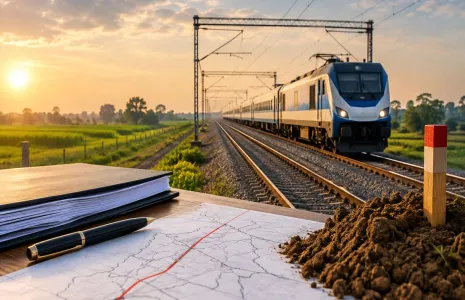
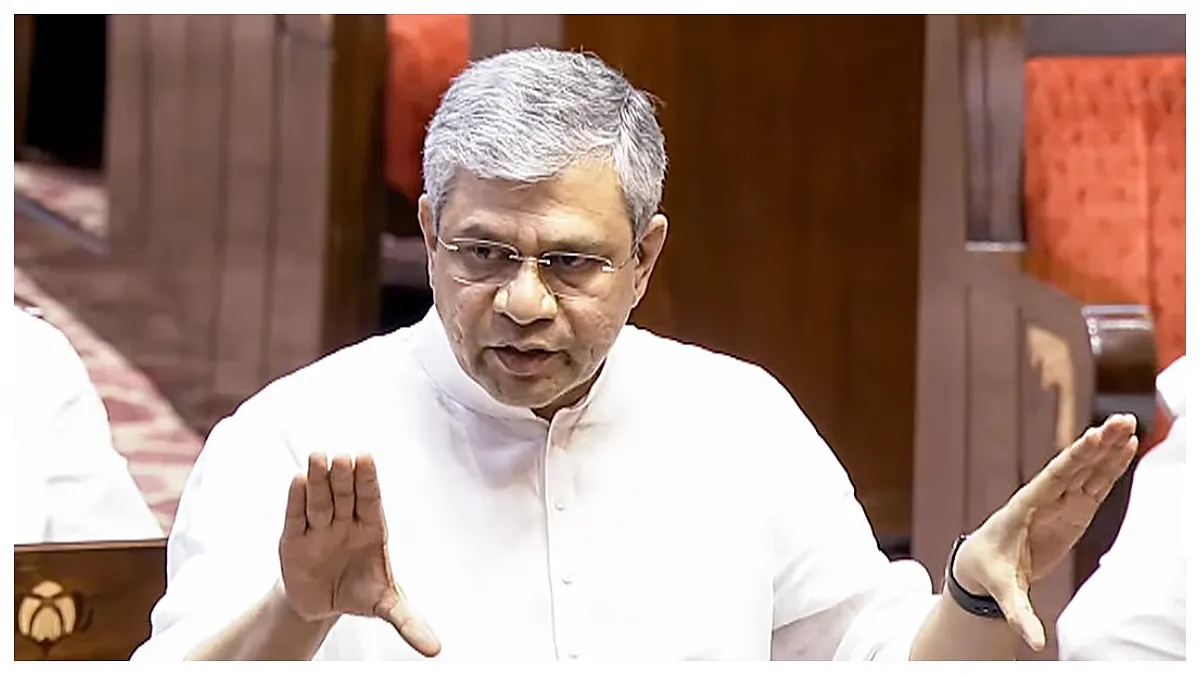
Indian Railways has announced a major reform aimed at benefiting millions of people, particularly middle-class families building homes. Railways Minister Ashwini Vaishnaw said the cost of transporting cement has been sharply reduced under a new Rs0.90 per GTKM (Gross Tonne-Kilometre) uniform rate, a change expected to bring down cement prices across the country by lowering logistics expenses for manufacturers, traders and consumers.

GTKM refers to the cost of transporting one tonne of goods over one kilometre. Under the revised rate, rail freight charges will now be Rs0.90 per tonne per kilometre. For example, transporting 100 tonnes of cement over 200 kilometres will cost just Rs1,800 (0.90 × 100 × 200). This improved cost efficiency is expected to directly reduce market prices for cement.

Vaishnaw noted that cement represents a major share of construction costs for middle-class households. Reducing transport charges, he said, will make home construction more affordable and help more families realise the dream of owning a home. He described the tariff change as a “major reform”.

Indian Railways has also introduced specialised tank containers for bulk cement movement. These containers can be filled directly at factories and transported to consumption centres, reducing handling, speeding up deliveries and cutting logistics costs further.

A key element of the reform is the removal of the long-standing slab-based transport pricing structure. The uniform Rs0.90 per GTKM rate introduces greater transparency and predictability, enabling manufacturers to plan routes and logistics more efficiently. Vaishnaw called it a significant step towards modernising cement transportation in India while supporting both industry and consumers.

Indian Railways has announced a major reform aimed at benefiting millions of people, particularly middle-class families building homes. Railways Minister Ashwini Vaishnaw said the cost of transporting cement has been sharply reduced under a new Rs0.90 per GTKM (Gross Tonne-Kilometre) uniform rate, a change expected to bring down cement prices across the country by lowering logistics expenses for manufacturers, traders and consumers. GTKM refers to the cost of transporting one tonne of goods over one kilometre. Under the revised rate, rail freight charges will now be Rs0.90 per tonne per kilometre. For example, transporting 100 tonnes of cement over 200 kilometres will cost just Rs1,800 (0.90 × 100 × 200). This improved cost efficiency is expected to directly reduce market prices for cement. Vaishnaw noted that cement represents a major share of construction costs for middle-class households. Reducing transport charges, he said, will make home construction more affordable and help more families realise the dream of owning a home. He described the tariff change as a “major reform”. Indian Railways has also introduced specialised tank containers for bulk cement movement. These containers can be filled directly at factories and transported to consumption centres, reducing handling, speeding up deliveries and cutting logistics costs further. A key element of the reform is the removal of the long-standing slab-based transport pricing structure. The uniform Rs0.90 per GTKM rate introduces greater transparency and predictability, enabling manufacturers to plan routes and logistics more efficiently. Vaishnaw called it a significant step towards modernising cement transportation in India while supporting both industry and consumers.

Next Story
Equipment

Schwing Stetter India Unveils New Innovations at Excon 2025

Schwing Stetter India unveiled more than 20 new machines at Excon 2025, marking one of its most significant showcases and introducing several India-first technologies to the construction equipment sector. The company launched the country’s first 56-metre boom pump designed and manufactured in India, the first fully electric truck mixer, the first CNG mixer variant and the first hybrid boom pump. Executives said the launch portfolio was engineered to support India’s move toward faster, greener and more vertically oriented infrastructure through advanced engineering, clean-energy solutions a..

Next Story
Infrastructure Energy

SEPC Resolves Hindustan Copper Dispute, Wins Rs 725 Mn Order

Engineering, procurement and construction firm SEPC Ltd has recently settled a dispute with Hindustan Copper Ltd (HCL) and secured a mining infrastructure order valued at Rs 725 million from the state-owned company. SEPC informed the stock exchanges that it has executed a settlement deed with HCL, bringing closure to all inter-se claims and counterclaims arising from arbitration proceedings. As part of the settlement, SEPC will receive Rs 304.5 million as full and final payment, marking the resolution of all pending disputes between the two entities. The company also stated that Hindustan Co..

Next Story
Infrastructure Energy

20% Ethanol Blending Cuts India’s CO2 Emissions by 73.6 Mn Tonnes

Union Road Transport and Highways Minister Nitin Gadkari recently said that India has reduced carbon dioxide emissions by 73.6 million metric tonnes due to the adoption of 20 per cent ethanol blending in petrol. He made the statement while replying to supplementary questions during the Question Hour in the Lok Sabha. Describing ethanol as a green fuel, the minister said it plays a key role in reducing pollution while also supporting higher incomes for farmers. He underlined that ethanol blending contributes both to environmental sustainability and rural economic growth. Nitin Gadkari also po..

Advertisement

Subscribe to Our Newsletter

Get daily newsletters around different themes from Construction world.

STAY CONNECTED

Advertisement

Advertisement

Advertisement

Advertisement

Open In App