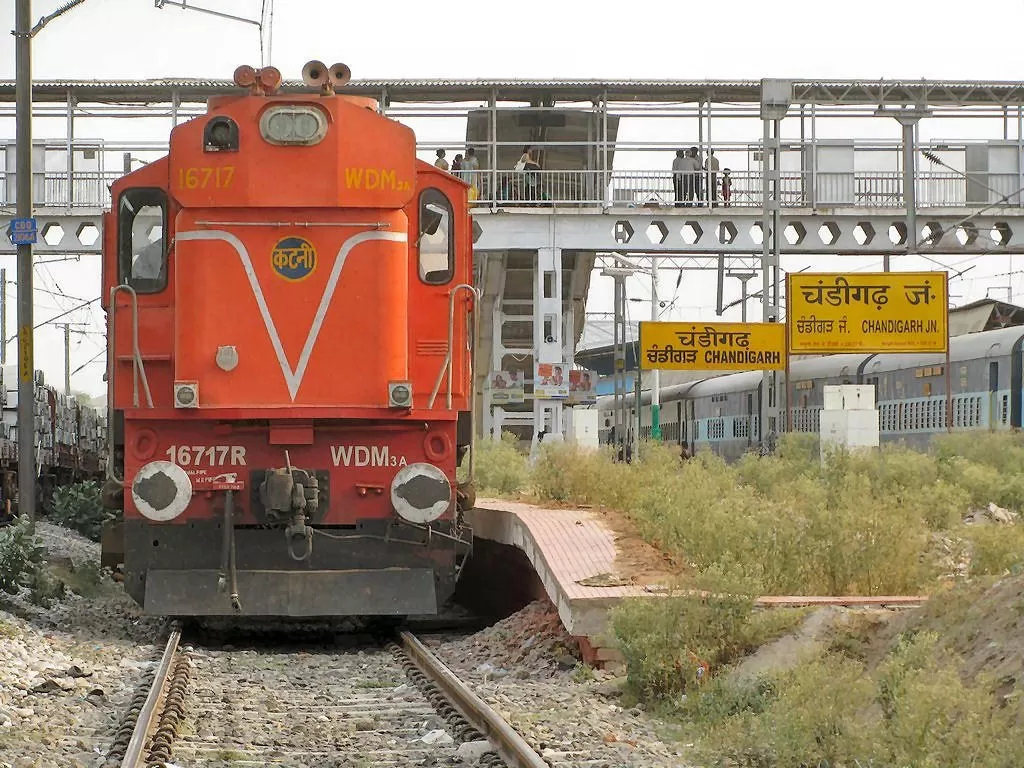
Railways eyes exports for repurposed diesel locomotives
RAILWAYS & METRO RAIL

Railways eyes exports for repurposed diesel locomotives

As Indian Railways accelerates its network electrification, it is looking to repurpose its soon-to-be-retired diesel locomotives for export markets, particularly targeting African nations. RITES, a railway public sector unit, is collaborating with the Railway Ministry’s design team to overhaul diesel locomotives, which still have a serviceable life of 15-20 years, to meet export demands.

RITES has secured two export orders for refurbished Indian locomotives from mineral and steel sectors in South Africa—one valued at Rs 350 million and another at Rs 500 million, each for three locomotives. The orders vary based on factors like locomotive horsepower and remaining operational lifespan.

"African countries rely heavily on rail networks for mineral transport, making our secondhand locomotives an affordable solution," noted RITES Chairman Rahul Mithal, comparing the arrangement to purchasing a used car.

One key challenge is adapting India’s broad gauge (1,676 mm) locomotives to Africa’s Cape Gauge (1,067 mm) network, prevalent in over a dozen African nations. RITES plans to purchase six locomotives from Indian Railways and modify the bogies, wheels, and underframe to fit the Cape Gauge standard. This marks the first time gauge conversion is being attempted for in-service locomotives, which could open significant export revenue potential.

RITES, currently finalising the design for these modifications, expects approval within 4-6 months. With 10,238 electric and 4,543 diesel locomotives as of last year, Indian Railways anticipates a steady pipeline of surplus diesel engines as electrification progresses, offering an opportunity for RITES to expand into the export market and drive revenue growth. (The Hindu)

As Indian Railways accelerates its network electrification, it is looking to repurpose its soon-to-be-retired diesel locomotives for export markets, particularly targeting African nations. RITES, a railway public sector unit, is collaborating with the Railway Ministry’s design team to overhaul diesel locomotives, which still have a serviceable life of 15-20 years, to meet export demands. RITES has secured two export orders for refurbished Indian locomotives from mineral and steel sectors in South Africa—one valued at Rs 350 million and another at Rs 500 million, each for three locomotives. The orders vary based on factors like locomotive horsepower and remaining operational lifespan. African countries rely heavily on rail networks for mineral transport, making our secondhand locomotives an affordable solution, noted RITES Chairman Rahul Mithal, comparing the arrangement to purchasing a used car. One key challenge is adapting India’s broad gauge (1,676 mm) locomotives to Africa’s Cape Gauge (1,067 mm) network, prevalent in over a dozen African nations. RITES plans to purchase six locomotives from Indian Railways and modify the bogies, wheels, and underframe to fit the Cape Gauge standard. This marks the first time gauge conversion is being attempted for in-service locomotives, which could open significant export revenue potential. RITES, currently finalising the design for these modifications, expects approval within 4-6 months. With 10,238 electric and 4,543 diesel locomotives as of last year, Indian Railways anticipates a steady pipeline of surplus diesel engines as electrification progresses, offering an opportunity for RITES to expand into the export market and drive revenue growth. (The Hindu)

Next Story
Infrastructure Transport

India Becomes First to Produce Bio-Bitumen for Roads

India has become the first country in the world to commercially produce bio-bitumen for use in road construction, according to Road, Transport and Highways Minister Nitin Gadkari. Bitumen, a black and viscous hydrocarbon derived from crude oil, is a key binding material in road building, and the bio-based alternative is expected to significantly improve the sector’s environmental footprint.Addressing the CSIR Technology Transfer Ceremony in New Delhi, Mr Gadkari congratulated Council of Scientific and Industrial Research on achieving the milestone, noting that the initiative would help curb ..

Next Story
Infrastructure Urban

HILT Policy Seen Boosting Telangana Revenue Sharply

The Hyderabad Industrial Land Transformation (HILT) Policy is expected to generate around Rs 1.08 billion in revenue for the Telangana state exchequer, according to Deputy Chief Minister Bhatti Vikramarka Mallu. Speaking in the Telangana Legislative Assembly, he said the policy would be implemented within a six-month timeframe in a transparent manner, with uniform rules applicable to all stakeholders. Mr Vikramarka noted that without the HILT Policy, the state would have earned only about Rs 1.2 million per acre. Under the new framework, however, revenue is projected to rise sharply to Rs 70 ..

Next Story
Infrastructure Urban

India Post, MoRD Tie Up to Boost Rural Inclusion

The Department of Posts and the Ministry of Rural Development have signed a Memorandum of Understanding to accelerate rural transformation and expand financial, digital and logistics services for Self-Help Groups (SHGs) and rural households across India. The agreement was signed in the presence of Union Minister of Communications and Development of North Eastern Region Jyotiraditya M. Scindia and Union Minister of Rural Development and Agriculture and Farmers’ Welfare Shivraj Singh Chouhan. The collaboration aligns with the government’s “Dak Sewa, Jan Sewa” vision and seeks to repositi..

Advertisement

Subscribe to Our Newsletter

Get daily newsletters around different themes from Construction world.

STAY CONNECTED

Advertisement

Advertisement

Advertisement

Advertisement

Open In App