Railways floats tender of Rs 30k cr for 800 electric train engines
RAILWAYS & METRO RAIL

Railways floats tender of Rs 30k cr for 800 electric train engines

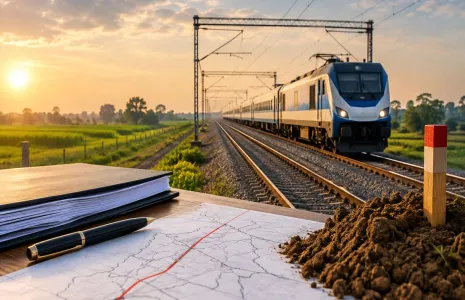
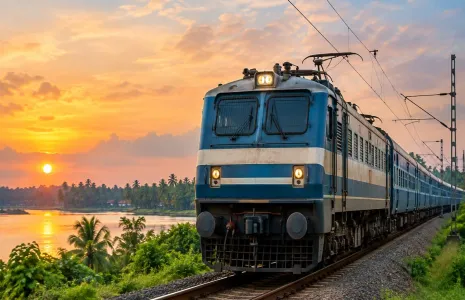
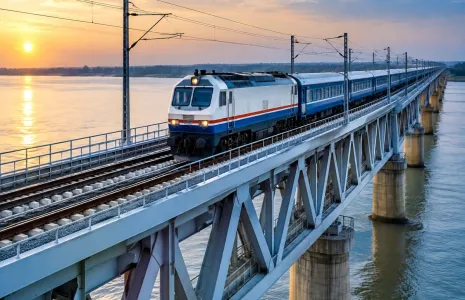
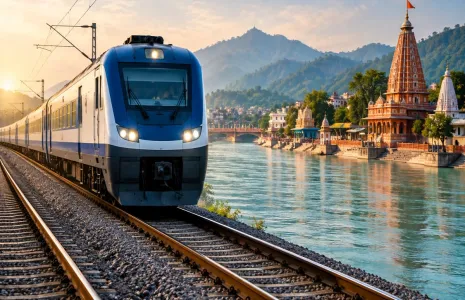
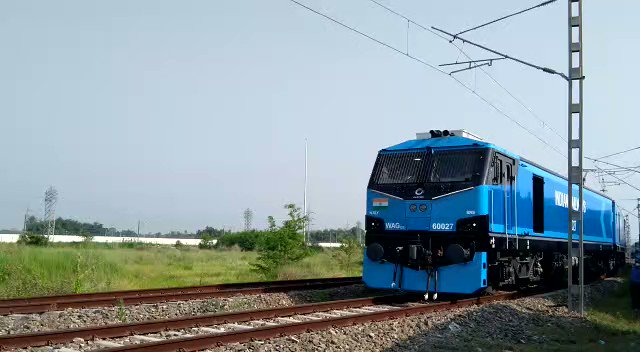
On 4 May, the Indian Railways floated a tender for the manufacture and supply of 800 electric train engines under a contract worth around Rs 30,000 crores.

These electric train engines of 12,000-horsepower will be supplied over the next 10 years and will be manufactured at Varanasi's Banaras Locomotive Works.

The notice inviting the bid stated that these train engines are to be maintained at Kanpur (Uttar Pradesh), Tughlakabad (Delhi), and Sabarmati (Gujarat).

These electric train engines are to be utilised all over the Indian Railways and dedicated freight corridor (DFC) routes. Each train engine must be competent in hauling 6,000 tonnes of load at an average speed of 75 kilometres per hour (kmph).

The concept of trains for freight movement was proposed in 2007-08. Generally, the freight trains were underpowered, and this slowed down the movement of trains.

Railway Board former member traffic, VN Mathur, told the media that the new locomotives would be much more competent in handling heavy-haul loads on the Dedicated Freight Corridor (DFC).

In 2015, a similar tender for 12,000-HP electric locomotives was awarded to Alstom as a contract part worth about Rs 28,195 crores.

The contract was to supply 800 locomotives for freight service, competent in hauling 6,000 tonnes at a maximum speed of 120 kmph.

This contract has been the largest foreign direct investment (FDI) project in the Indian railway sector till now.

A retired railway official told the media that this was the first successful public-private partnership (PPP) of the Indian Railways. Alstom had bid for supplying at around Rs 38 crore per locomotive. At that time, the international market value was around Rs 60 crore per locomotive.

Image Source

Also read: Railways invites bids for 200 Vande Bharat Trains

On 4 May, the Indian Railways floated a tender for the manufacture and supply of 800 electric train engines under a contract worth around Rs 30,000 crores. These electric train engines of 12,000-horsepower will be supplied over the next 10 years and will be manufactured at Varanasi's Banaras Locomotive Works. The notice inviting the bid stated that these train engines are to be maintained at Kanpur (Uttar Pradesh), Tughlakabad (Delhi), and Sabarmati (Gujarat). These electric train engines are to be utilised all over the Indian Railways and dedicated freight corridor (DFC) routes. Each train engine must be competent in hauling 6,000 tonnes of load at an average speed of 75 kilometres per hour (kmph). The concept of trains for freight movement was proposed in 2007-08. Generally, the freight trains were underpowered, and this slowed down the movement of trains. Railway Board former member traffic, VN Mathur, told the media that the new locomotives would be much more competent in handling heavy-haul loads on the Dedicated Freight Corridor (DFC). In 2015, a similar tender for 12,000-HP electric locomotives was awarded to Alstom as a contract part worth about Rs 28,195 crores. The contract was to supply 800 locomotives for freight service, competent in hauling 6,000 tonnes at a maximum speed of 120 kmph. This contract has been the largest foreign direct investment (FDI) project in the Indian railway sector till now. A retired railway official told the media that this was the first successful public-private partnership (PPP) of the Indian Railways. Alstom had bid for supplying at around Rs 38 crore per locomotive. At that time, the international market value was around Rs 60 crore per locomotive. Image Source Also read: Railways invites bids for 200 Vande Bharat Trains

Next Story
Infrastructure Transport

MMRDA advances 250 m on Orange Gate–Marine Drive tunnel

The Mumbai Metropolitan Region Development Authority (MMRDA) has completed 250 m of underground tunnelling for the Orange Gate–Marine Drive Urban Road Tunnel using India’s largest slurry shield tunnel boring machine (TBM) deployed for an urban road project.The project involves twin tunnels extending over 7 km beneath critical transport corridors, including Central Railway, Western Railway and Metro Line 3. The work requires high-precision engineering to navigate densely developed urban infrastructure.Once completed, the tunnel is expected to reduce travel time between Orange Gate and Marin..

Next Story
Infrastructure Urban

Hindustan Zinc Pays Rs 188.46 Billion in FY26

Hindustan Zinc contributed Rs 188.46 billion to the public exchequer in FY 2025-26, according to its 9th Tax Transparency Report. The contribution, equivalent to 46 per cent of the company’s revenue, included direct and indirect taxes, government royalties, dividends to the Government of India, withholding taxes and other statutory levies.The company’s five-year cumulative contribution to the exchequer stood at Rs 915.72 billion. In FY26, Hindustan Zinc reported revenue of Rs 408.44 billion, EBITDA of Rs 221.62 billion and profit after tax of Rs 138.32 billion. It also achieved its highest..

Next Story
Infrastructure Urban

World of Concrete India 2026 Opens in Mumbai

Informa Markets in India will host the 12th edition of World of Concrete India 2026 from 3–5 June 2026 at the Bombay Exhibition Centre, Mumbai. The specialised B2B exhibition will bring together manufacturers, suppliers, contractors, developers, architects, consultants, infrastructure companies, project leaders and government stakeholders.The event is expected to feature over 350 brands and more than 18,000 trade professionals. It will cover concrete and cement, dry mortar, precast technologies, formwork, construction chemicals, industrial and commercial flooring, scaffolding, safety solutio..

Advertisement

Subscribe to Our Newsletter

Get daily newsletters around different themes from Construction world.

STAY CONNECTED

Advertisement

Advertisement

Advertisement