Railways Plan Dedicated Network to Transport Fly Ash
RAILWAYS & METRO RAIL

Railways Plan Dedicated Network to Transport Fly Ash

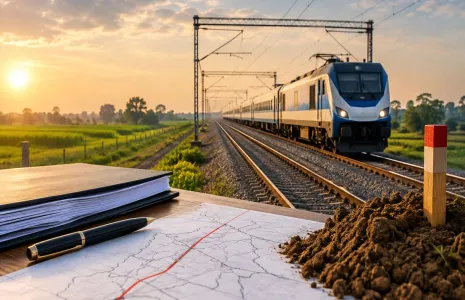
A review meeting chaired by Union Minister for Railways Ashwini Vaishnaw examined a national initiative to enable large scale transportation of fly ash through the railway network. The meeting, attended by the Ministers of State for Railways V. Somanna and Ravneet Singh Bittu, outlined plans to move fly ash efficiently from power plants to industries that can use it in construction and manufacturing.

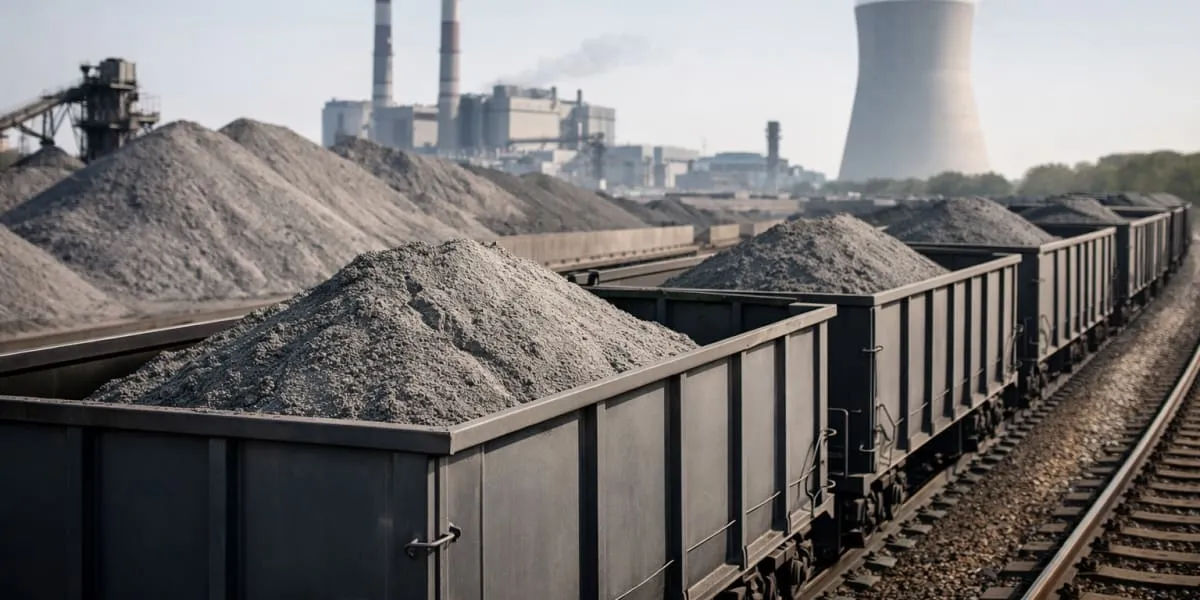
Nearly 340 million (mn) tonnes (t) of fly ash are generated every year by thermal power plants, creating a grey burden around generation sites. Indian Railways proposes a dedicated logistics network of specialised containers and rail corridors to convey the material from source to sink. The plan aims to integrate modal handling, storage and delivery to ensure material arrives in a state suitable for industrial use.

The objective is to convert a waste output into a feedstock for roads, bricks, cement and other infrastructure materials. Using fly ash as a raw material can reduce production costs for building blocks and cement products and support more affordable housing across urban and rural areas. Greater availability of processed fly ash is expected to lower dependence on virgin materials and to promote circular construction practices.

Contained within sealed rail wagons and managed through purpose built logistics systems, the material can be transported without fugitive emissions and with reduced handling losses. This approach reframes fly ash from an environmental burden to a productive input in national infrastructure programmes. The network design emphasises efficiency of routing and compatibility with industrial receiving facilities.

Officials at the review outlined steps for scaling the scheme, including phased deployment of specialised containers and alignment with industry demand. Stakeholders were urged to adopt standardised specifications for material quality and handling protocols so that the supply chain can deliver consistent inputs to manufacturers. The initiative was presented as a practical example of circular economy policy turning waste into wealth and supporting sustainable growth.

"Join industry leaders at RAHSTA Expo, India's premier platform for roads, highways and traffic infrastructure. Register now to explore innovations, network with experts and shape the future of mobility."

A review meeting chaired by Union Minister for Railways Ashwini Vaishnaw examined a national initiative to enable large scale transportation of fly ash through the railway network. The meeting, attended by the Ministers of State for Railways V. Somanna and Ravneet Singh Bittu, outlined plans to move fly ash efficiently from power plants to industries that can use it in construction and manufacturing. Nearly 340 million (mn) tonnes (t) of fly ash are generated every year by thermal power plants, creating a grey burden around generation sites. Indian Railways proposes a dedicated logistics network of specialised containers and rail corridors to convey the material from source to sink. The plan aims to integrate modal handling, storage and delivery to ensure material arrives in a state suitable for industrial use. The objective is to convert a waste output into a feedstock for roads, bricks, cement and other infrastructure materials. Using fly ash as a raw material can reduce production costs for building blocks and cement products and support more affordable housing across urban and rural areas. Greater availability of processed fly ash is expected to lower dependence on virgin materials and to promote circular construction practices. Contained within sealed rail wagons and managed through purpose built logistics systems, the material can be transported without fugitive emissions and with reduced handling losses. This approach reframes fly ash from an environmental burden to a productive input in national infrastructure programmes. The network design emphasises efficiency of routing and compatibility with industrial receiving facilities. Officials at the review outlined steps for scaling the scheme, including phased deployment of specialised containers and alignment with industry demand. Stakeholders were urged to adopt standardised specifications for material quality and handling protocols so that the supply chain can deliver consistent inputs to manufacturers. The initiative was presented as a practical example of circular economy policy turning waste into wealth and supporting sustainable growth.

Next Story
Infrastructure Energy

Centre Prioritising Energy Security With Coal Gasification

Union minister for Coal and Mines G Kishan Reddy said the Centre is prioritising energy security through a strategic shift to coal gasification and has announced incentives totalling Rs 460 billion (bn) to support the effort. He said more than 35 companies will start coal gasification activities in India within two months and that the government is encouraging firms that bring technology to close the domestic technology gap. The minister described the initiative as aimed at reducing import dependence and developing indigenous capacity. India has the fifth-largest coal reserve in the world, and..

Next Story
Infrastructure Urban

BHEL and Coal India Invest Rs 250 bn in Odisha Gasification

Bharat Heavy Electricals (BHEL) and Coal India (CIL) are jointly investing Rs 250 billion in a coal gasification project in Odisha, with the Prime Minister laying the foundation stone in Jharsuguda. Union Coal and Mines Minister G Kishan Reddy described the initiative as a transformative shift in coal utilisation that will open industrial avenues for the state. The project moves coal beyond conventional power generation to industrial feedstocks. Coal gasification will convert coal into synthesis gas, a versatile feedstock for chemicals, fertilisers and synthetic fuels, and the technology is ex..

Next Story
Infrastructure Energy

BCCL Hands Over Dugdha Coal Washery To JSW Steel

Bharat Coking Coal has handed over the Dugdha Coal Washery to JSW Steel, marking the first coal washery asset monetisation under the Ministry of Coal's asset monetisation programme. The handover took place in the presence of senior officials from Bharat Coking Coal Ltd, JSW Steel and JSW Energy. The washery has a capacity of two million tonnes per annum (mn t per annum), and its transfer is intended to introduce private sector practices into coal beneficiation operations. The monetisation is aimed at modernising coal sector assets, improving operational efficiency and enhancing resource utilis..

Advertisement

Subscribe to Our Newsletter

Get daily newsletters around different themes from Construction world.

STAY CONNECTED

Advertisement

Advertisement

Advertisement