RRTS emerges as key growth driver for real estate and mobility: Knight Frank
RAILWAYS & METRO RAIL

RRTS emerges as key growth driver for real estate and mobility: Knight Frank

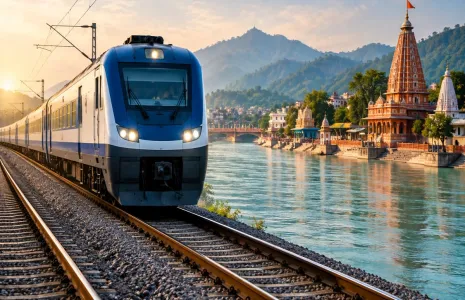
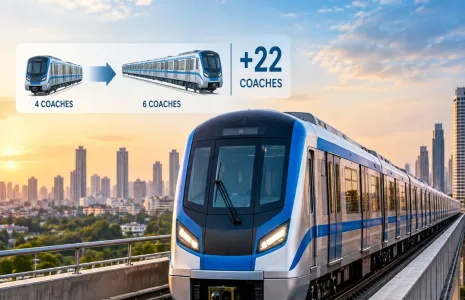
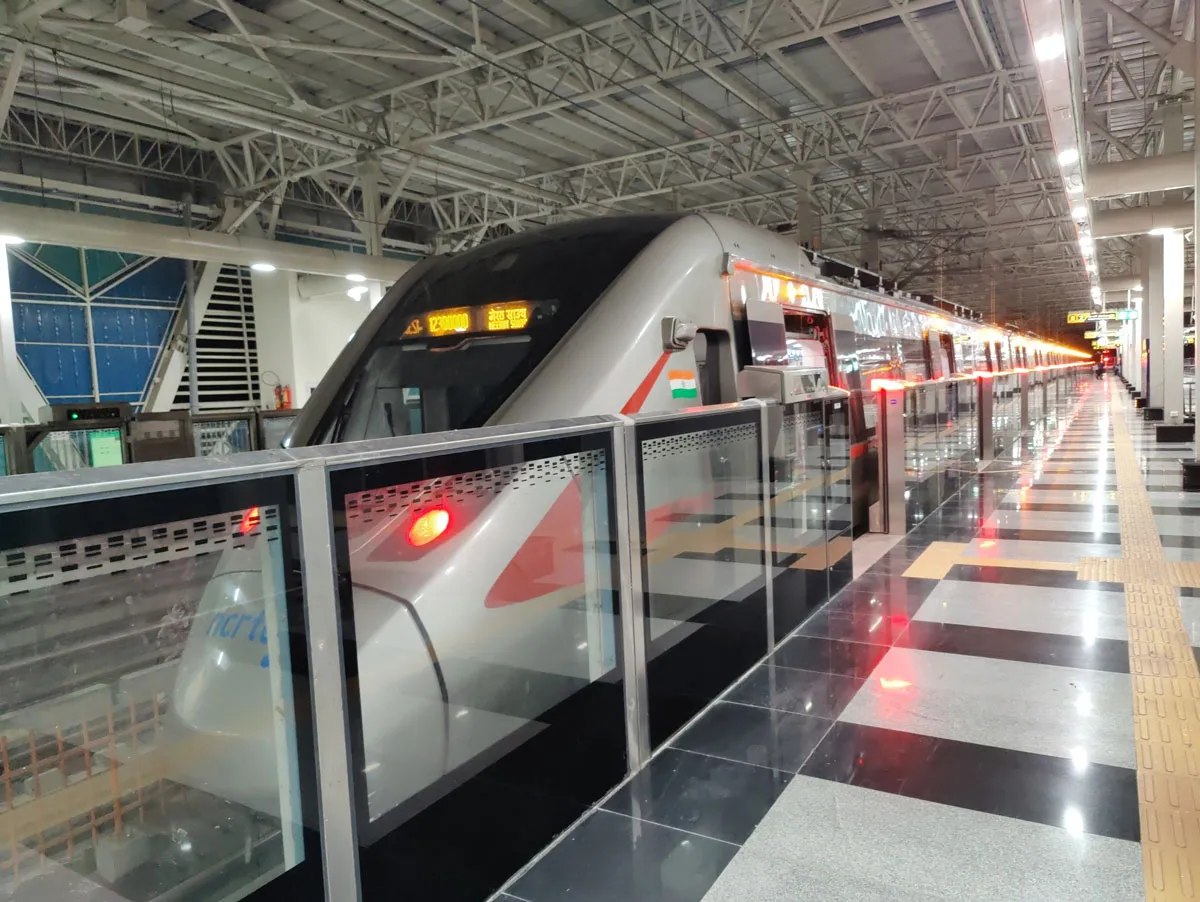
India’s Regional Rapid Transit System (RRTS) is emerging as a major catalyst for urban growth and investment, with strong demand from commuters and rising interest from real estate investors, according to a new report by Knight Frank India.

Titled “Regional Rapid Transit System: Testing the Commuters’ Pulse”, the study highlights that nearly 66 per cent of surveyed respondents are willing to purchase property along RRTS corridors, while 80 per cent associate improved connectivity with enhanced economic opportunities. The findings underline the growing role of high-speed regional transit in shaping real estate demand and decentralised urban growth.

The report notes that improved infrastructure and visible development along RRTS routes have significantly boosted investor confidence. Respondents who observed active commercial development along corridors were over 10 times more likely to consider property investment, while those seeing ongoing residential activity showed nearly eight times higher intent to invest. Areas with integrated infrastructure and mixed-use development were seen as the most attractive.

According to the study, nearly 38 per cent of respondents are open to relocating away from traditional city centres, provided adequate social infrastructure, connectivity and employment opportunities are available. This highlights the growing potential of transit-oriented development as a driver of decentralised urban expansion.

The report also examined the performance of the Delhi–Ghaziabad–Meerut RRTS corridor, noting strong user satisfaction levels. Around 83 per cent of surveyed commuters expressed satisfaction with the service, citing reduced travel time, improved reliability and better safety. While some respondents flagged higher commuting costs, these were largely offset by time savings and improved quality of travel.

Commenting on the findings, Shishir Baijal, Chairman and Managing Director, Knight Frank India, said that RRTS represents a transformative opportunity for India’s urban mobility landscape. He noted that seamless integration between transport networks, land use planning and commercial development will be critical in unlocking the full potential of such infrastructure-led growth.

The report also highlights the importance of last-mile connectivity, integrated ticketing and multimodal transport linkages in driving adoption. With additional RRTS corridors under development, Knight Frank expects rising investment interest along these routes, positioning them as future growth corridors for real estate and economic activity.

India’s Regional Rapid Transit System (RRTS) is emerging as a major catalyst for urban growth and investment, with strong demand from commuters and rising interest from real estate investors, according to a new report by Knight Frank India.Titled “Regional Rapid Transit System: Testing the Commuters’ Pulse”, the study highlights that nearly 66 per cent of surveyed respondents are willing to purchase property along RRTS corridors, while 80 per cent associate improved connectivity with enhanced economic opportunities. The findings underline the growing role of high-speed regional transit in shaping real estate demand and decentralised urban growth.The report notes that improved infrastructure and visible development along RRTS routes have significantly boosted investor confidence. Respondents who observed active commercial development along corridors were over 10 times more likely to consider property investment, while those seeing ongoing residential activity showed nearly eight times higher intent to invest. Areas with integrated infrastructure and mixed-use development were seen as the most attractive.According to the study, nearly 38 per cent of respondents are open to relocating away from traditional city centres, provided adequate social infrastructure, connectivity and employment opportunities are available. This highlights the growing potential of transit-oriented development as a driver of decentralised urban expansion.The report also examined the performance of the Delhi–Ghaziabad–Meerut RRTS corridor, noting strong user satisfaction levels. Around 83 per cent of surveyed commuters expressed satisfaction with the service, citing reduced travel time, improved reliability and better safety. While some respondents flagged higher commuting costs, these were largely offset by time savings and improved quality of travel.Commenting on the findings, Shishir Baijal, Chairman and Managing Director, Knight Frank India, said that RRTS represents a transformative opportunity for India’s urban mobility landscape. He noted that seamless integration between transport networks, land use planning and commercial development will be critical in unlocking the full potential of such infrastructure-led growth.The report also highlights the importance of last-mile connectivity, integrated ticketing and multimodal transport linkages in driving adoption. With additional RRTS corridors under development, Knight Frank expects rising investment interest along these routes, positioning them as future growth corridors for real estate and economic activity.

Next Story
Infrastructure Transport

Centre To Set Up Bureau Of Port Security

The government will constitute a dedicated Bureau of Port Security (BoPS) to oversee the security of vessels and port facilities across India, official sources said on Friday. The move is aimed at strengthening maritime security through a centralised and specialised institutional framework. Union Home Minister Amit Shah chaired a meeting on the constitution of BoPS, which was attended by Sarbananda Sonowal, Union Minister for Ports, Shipping and Waterways, and Ram Mohan Naidu, Minister of Civil Aviation. During the discussions, Mr Shah underlined the need for a robust and future-ready port se..

Next Story
Infrastructure Energy

Adani Eyes AI Data Centres And Nuclear Power

The Adani Group is planning an aggressive expansion of artificial intelligence data centres and the energy infrastructure required to support them, including the possible development of nuclear power plants, according to comments by Jeet Adani to Nikkei Asia. Jeet Adani, the youngest son of billionaire Gautam Adani, said data centres have emerged as a major growth engine for the group, with current expansion already exceeding targets earlier set for 2030. Demand for AI-led infrastructure continues to rise rapidly, he noted, adding that India is well positioned to host global AI data centres d..

Next Story
Infrastructure Energy

US Signals Entry Into India’s Nuclear Energy Sector

The United States has expressed its willingness to participate in India’s nuclear energy sector, days after Parliament passed legislation easing liability norms and allowing private investment into the industry. “The United States stands ready to undertake joint innovation and research and development in the energy sector,” the US Embassy said in a post on social media platform X on Monday. The statement follows India’s decision last week to dismantle the decades-old state monopoly in nuclear power generation and introduce sweeping changes to liability provisions that had long deterre..

Advertisement

Subscribe to Our Newsletter

Get daily newsletters around different themes from Construction world.

STAY CONNECTED

Advertisement

Advertisement

Advertisement

Advertisement

Open In App