Southern Railway Upgrades Arakkonam Yard To Cut Delays
RAILWAYS & METRO RAIL

Southern Railway Upgrades Arakkonam Yard To Cut Delays

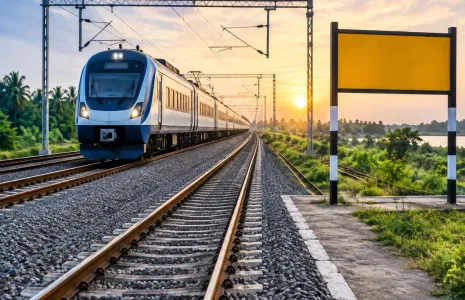
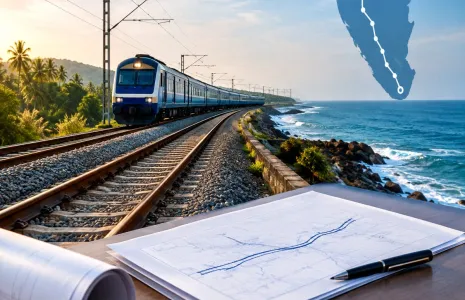
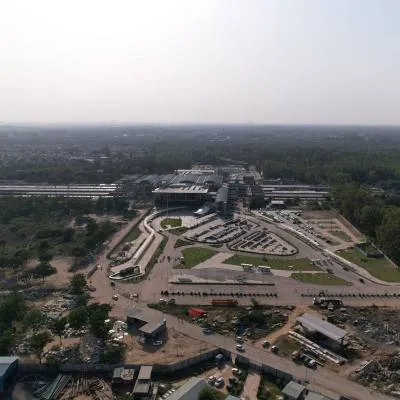
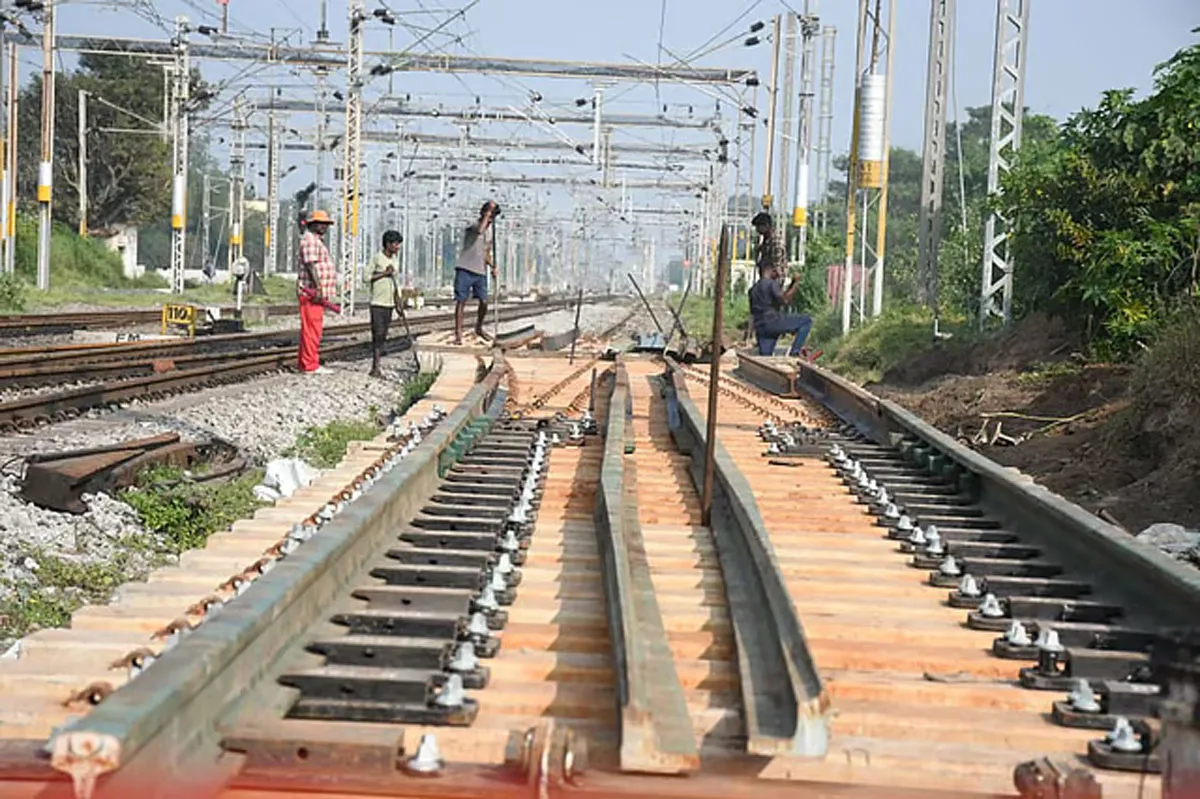
Southern Railway’s Chennai division has undertaken major yard remodelling works at Arakkonam to reduce frequent halts of suburban and express trains on the Thiruvalangadu–Arakkonam section caused by track constraints. The project includes the construction of third and fourth railway lines between Puliyamangalam and Arakkonam station, straightening of tracks, and the extension of a century-old subway near the station.

The yard upgradation works, which began last month, are being executed at an estimated cost of Rs 970 million. At present, trains from Chennai Central bound for Arakkonam, Tiruttani and Katpadi are often forced to halt in this section because only two railway lines exist between Puliyamangalam and Arakkonam. The addition of two more lines is expected to eliminate track changes and significantly reduce delays for long-distance services to Bengaluru, Kerala, Tirupati and Mumbai, as well as for suburban trains.

Railway officials said that when the third and fourth lines were developed in the Tiruvallur–Arakkonam section during 2005–06, work could only be completed up to Puliyamangalam due to land constraints. The remaining 2 km stretch to Arakkonam continued to operate with just two lines, compelling express and local trains to share the same tracks. With the current project now under way, local trains will be directly routed to platforms 3, 4 and 5 with minimal track crossings, while the existing additional line will be connected to platform 1. This will allow Katpadi-bound services, including Vande Bharat and other non-stop trains, to operate at higher speeds.

Residents have welcomed the project but flagged short-term inconvenience. Local commuters said road traffic has been disrupted due to the subway extension work, while others noted that trains were earlier halted for up to 30 minutes during evening peak hours, causing hardship for office-goers.

Around 200 suburban trains operate daily on the Chennai–Arakkonam and Chennai–Tiruttani routes, while more than 130 express and freight trains pass through Arakkonam station each day. The Arakkonam–Chennai section serves approximately 0.55 million passengers daily, and the upgrade is expected to substantially improve punctuality and operational efficiency.

Southern Railway’s Chennai division has undertaken major yard remodelling works at Arakkonam to reduce frequent halts of suburban and express trains on the Thiruvalangadu–Arakkonam section caused by track constraints. The project includes the construction of third and fourth railway lines between Puliyamangalam and Arakkonam station, straightening of tracks, and the extension of a century-old subway near the station. The yard upgradation works, which began last month, are being executed at an estimated cost of Rs 970 million. At present, trains from Chennai Central bound for Arakkonam, Tiruttani and Katpadi are often forced to halt in this section because only two railway lines exist between Puliyamangalam and Arakkonam. The addition of two more lines is expected to eliminate track changes and significantly reduce delays for long-distance services to Bengaluru, Kerala, Tirupati and Mumbai, as well as for suburban trains. Railway officials said that when the third and fourth lines were developed in the Tiruvallur–Arakkonam section during 2005–06, work could only be completed up to Puliyamangalam due to land constraints. The remaining 2 km stretch to Arakkonam continued to operate with just two lines, compelling express and local trains to share the same tracks. With the current project now under way, local trains will be directly routed to platforms 3, 4 and 5 with minimal track crossings, while the existing additional line will be connected to platform 1. This will allow Katpadi-bound services, including Vande Bharat and other non-stop trains, to operate at higher speeds. Residents have welcomed the project but flagged short-term inconvenience. Local commuters said road traffic has been disrupted due to the subway extension work, while others noted that trains were earlier halted for up to 30 minutes during evening peak hours, causing hardship for office-goers. Around 200 suburban trains operate daily on the Chennai–Arakkonam and Chennai–Tiruttani routes, while more than 130 express and freight trains pass through Arakkonam station each day. The Arakkonam–Chennai section serves approximately 0.55 million passengers daily, and the upgrade is expected to substantially improve punctuality and operational efficiency.

Next Story
Infrastructure Transport

RRTS emerges as key growth driver for real estate and mobility: Knight Frank

India’s Regional Rapid Transit System (RRTS) is emerging as a major catalyst for urban growth and investment, with strong demand from commuters and rising interest from real estate investors, according to a new report by Knight Frank India.Titled “Regional Rapid Transit System: Testing the Commuters’ Pulse”, the study highlights that nearly 66 per cent of surveyed respondents are willing to purchase property along RRTS corridors, while 80 per cent associate improved connectivity with enhanced economic opportunities. The findings underline the growing role of high-speed regional transit..

Next Story
Infrastructure Transport

Centre To Set Up Bureau Of Port Security

The government will constitute a dedicated Bureau of Port Security (BoPS) to oversee the security of vessels and port facilities across India, official sources said on Friday. The move is aimed at strengthening maritime security through a centralised and specialised institutional framework. Union Home Minister Amit Shah chaired a meeting on the constitution of BoPS, which was attended by Sarbananda Sonowal, Union Minister for Ports, Shipping and Waterways, and Ram Mohan Naidu, Minister of Civil Aviation. During the discussions, Mr Shah underlined the need for a robust and future-ready port se..

Next Story
Infrastructure Energy

Adani Eyes AI Data Centres And Nuclear Power

The Adani Group is planning an aggressive expansion of artificial intelligence data centres and the energy infrastructure required to support them, including the possible development of nuclear power plants, according to comments by Jeet Adani to Nikkei Asia. Jeet Adani, the youngest son of billionaire Gautam Adani, said data centres have emerged as a major growth engine for the group, with current expansion already exceeding targets earlier set for 2030. Demand for AI-led infrastructure continues to rise rapidly, he noted, adding that India is well positioned to host global AI data centres d..

Advertisement

Subscribe to Our Newsletter

Get daily newsletters around different themes from Construction world.

STAY CONNECTED

Advertisement

Advertisement

Advertisement

Advertisement

Open In App