State Cabinet approves Hyderabad Metro Rail phase-2 project
RAILWAYS & METRO RAIL

State Cabinet approves Hyderabad Metro Rail phase-2 project

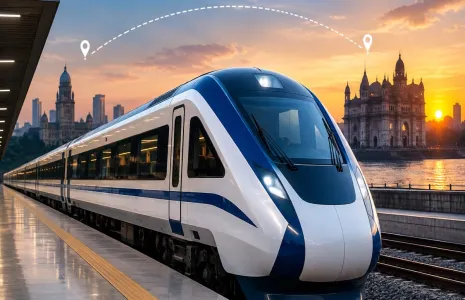
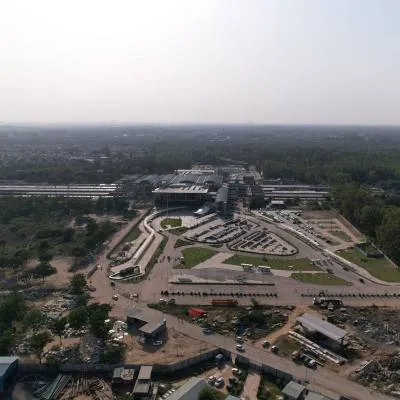
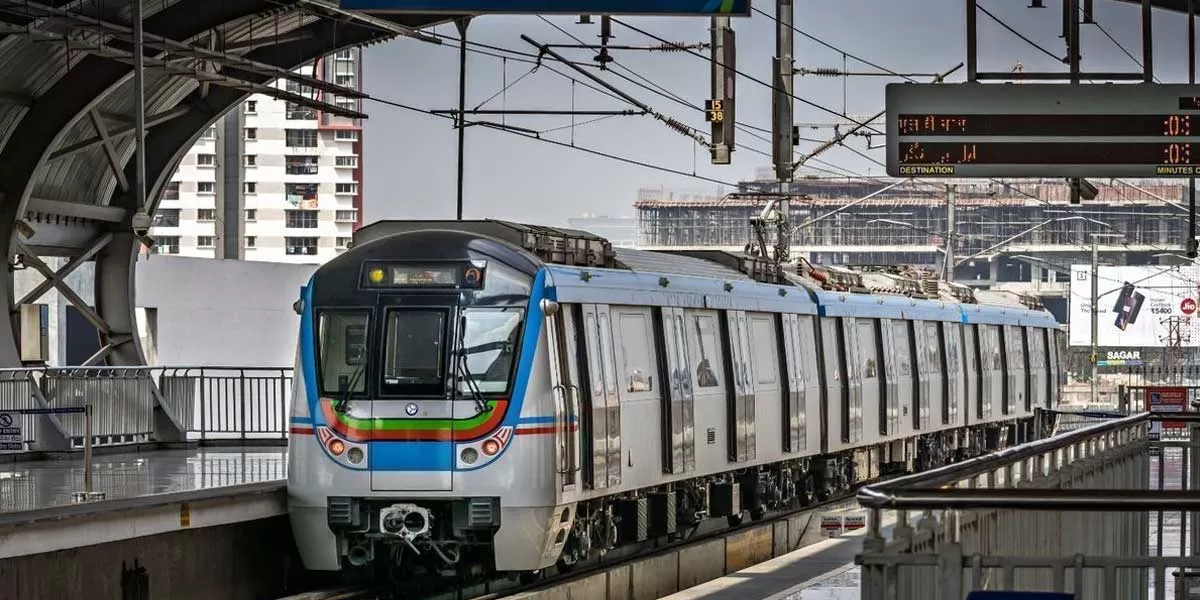
The State Cabinet has officially approved the highly anticipated Hyderabad Metro Rail Phase-2 project during a meeting on Saturday, October 26. This expansive initiative, projected to cost approximately ?24,200 crore, spans 76.4 kilometers and aims to significantly improve connectivity across the city of Hyderabad. Featuring five major corridors, the project addresses the increasing demand for efficient public transportation in the rapidly growing urban area.

Hyderabad Metro Phase-2 will be developed under a Public-Private Partnership (PPP) model, promoting effective execution and streamlined operations. The state government has also secured collaboration with the central government, reflecting a unified commitment to enhancing urban mobility. The project approval came alongside the Detailed Project Report (DPR), establishing a strong foundation for expedited implementation.

Key Corridors in Hyderabad Metro Phase-2: Nagole to Shamshabad: This corridor will connect eastern suburbs directly to the airport, facilitating seamless transit for travelers. Raidurg to Kokapet: Serving the prominent IT hub, this line aims to alleviate congestion in busy commercial zones. MGBS to Chandrayangutta: This route will connect the historic old city with rapidly developing areas, fostering greater integration. Miyapur to Patancheru: This corridor is designed to serve the fast-growing suburban population, enhancing accessibility for residents. LB Nagar to Hayathnagar: This line aims to ease traffic congestion in the southeastern parts of the city. Hyderabad Metro Phase-2 is set to transform the city’s transportation landscape, providing faster and more accessible travel options for residents and visitors alike. This development further solidifies Hyderabad’s status as a progressive metropolis committed to improving quality of life through smart infrastructure.

The State Cabinet has officially approved the highly anticipated Hyderabad Metro Rail Phase-2 project during a meeting on Saturday, October 26. This expansive initiative, projected to cost approximately ?24,200 crore, spans 76.4 kilometers and aims to significantly improve connectivity across the city of Hyderabad. Featuring five major corridors, the project addresses the increasing demand for efficient public transportation in the rapidly growing urban area. Hyderabad Metro Phase-2 will be developed under a Public-Private Partnership (PPP) model, promoting effective execution and streamlined operations. The state government has also secured collaboration with the central government, reflecting a unified commitment to enhancing urban mobility. The project approval came alongside the Detailed Project Report (DPR), establishing a strong foundation for expedited implementation. Key Corridors in Hyderabad Metro Phase-2: Nagole to Shamshabad: This corridor will connect eastern suburbs directly to the airport, facilitating seamless transit for travelers. Raidurg to Kokapet: Serving the prominent IT hub, this line aims to alleviate congestion in busy commercial zones. MGBS to Chandrayangutta: This route will connect the historic old city with rapidly developing areas, fostering greater integration. Miyapur to Patancheru: This corridor is designed to serve the fast-growing suburban population, enhancing accessibility for residents. LB Nagar to Hayathnagar: This line aims to ease traffic congestion in the southeastern parts of the city. Hyderabad Metro Phase-2 is set to transform the city’s transportation landscape, providing faster and more accessible travel options for residents and visitors alike. This development further solidifies Hyderabad’s status as a progressive metropolis committed to improving quality of life through smart infrastructure.

Next Story
Infrastructure Transport

MMRDA advances 250 m on Orange Gate–Marine Drive tunnel

The Mumbai Metropolitan Region Development Authority (MMRDA) has completed 250 m of underground tunnelling for the Orange Gate–Marine Drive Urban Road Tunnel using India’s largest slurry shield tunnel boring machine (TBM) deployed for an urban road project.The project involves twin tunnels extending over 7 km beneath critical transport corridors, including Central Railway, Western Railway and Metro Line 3. The work requires high-precision engineering to navigate densely developed urban infrastructure.Once completed, the tunnel is expected to reduce travel time between Orange Gate and Marin..

Next Story
Infrastructure Urban

Hindustan Zinc Pays Rs 188.46 Billion in FY26

Hindustan Zinc contributed Rs 188.46 billion to the public exchequer in FY 2025-26, according to its 9th Tax Transparency Report. The contribution, equivalent to 46 per cent of the company’s revenue, included direct and indirect taxes, government royalties, dividends to the Government of India, withholding taxes and other statutory levies.The company’s five-year cumulative contribution to the exchequer stood at Rs 915.72 billion. In FY26, Hindustan Zinc reported revenue of Rs 408.44 billion, EBITDA of Rs 221.62 billion and profit after tax of Rs 138.32 billion. It also achieved its highest..

Next Story
Infrastructure Urban

World of Concrete India 2026 Opens in Mumbai

Informa Markets in India will host the 12th edition of World of Concrete India 2026 from 3–5 June 2026 at the Bombay Exhibition Centre, Mumbai. The specialised B2B exhibition will bring together manufacturers, suppliers, contractors, developers, architects, consultants, infrastructure companies, project leaders and government stakeholders.The event is expected to feature over 350 brands and more than 18,000 trade professionals. It will cover concrete and cement, dry mortar, precast technologies, formwork, construction chemicals, industrial and commercial flooring, scaffolding, safety solutio..

Advertisement

Subscribe to Our Newsletter

Get daily newsletters around different themes from Construction world.

STAY CONNECTED

Advertisement

Advertisement

Advertisement

-->