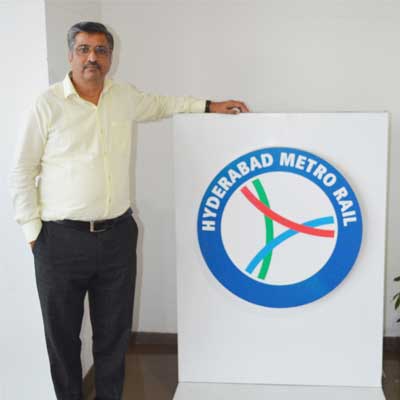
Sudhir Chiplunkar, COO, L&T Metro Rail (Hyderabad)
RAILWAYS & METRO RAIL

Sudhir Chiplunkar, COO, L&T Metro Rail (Hyderabad)

The Hyderabad Metro Rail project has seen the transformation of L&T from a contractor to a concessionaire, and is touted to be the world’s largest metro project in PPP mode with technology as a key USP. Transit-oriented development (TOD) also plays a significant role in L&T’s operations and maintenance (O&M) model. That said, the pandemic-induced restrictions coupled with lack of last-mile connectivity, low ridership and increased operational cost have led to losses in operations. L&T Metro Rail Hyderabad has reportedly been making a loss of about Rs 5 crore a day, while its earnings are just Rs 1 crore a day; L&T is reportedly in talks with the state government to help overcome its losses. Sometime last year, reports also indicated that L&T was looking to exit the project as part of its overall plans to move away from non-core businesses.

In conversation with SERAPHINA D’SOUZA, while Sudhir Chiplunkar, COO, L&T Metro Rail (Hyderabad), opted not to comment on how the organisation is strategising to overcome pandemic-related losses, he spoke on technology adoption in the railways and metro sectors, how these sectors have progressed, and more. Excerpts:

You have over three decades of experience in the implementation of mega railway and metro projects. How have you seen these sectors evolve in the past decade?
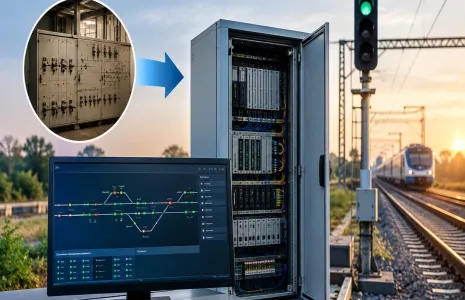
I have been with the metro sector for the past nine years, before which I was with the Indian Railways. As far as metro is concerned, there is tremendous thrust on adoption of new technologies in every aspect of the project, right from the concept stage to commissioning. In fact, our Indian metro system today is on a par with any other metro system in the world, whether it is the signalling system (CBTC), modern lightweight aluminium built rolling stock or the adaptation of BIM. Right from the project stage to asset management, we are focused on digitisation.

Click here to know more…

The Hyderabad Metro Rail project has seen the transformation of L&T from a contractor to a concessionaire, and is touted to be the world’s largest metro project in PPP mode with technology as a key USP. Transit-oriented development (TOD) also plays a significant role in L&T’s operations and maintenance (O&M) model. That said, the pandemic-induced restrictions coupled with lack of last-mile connectivity, low ridership and increased operational cost have led to losses in operations. L&T Metro Rail Hyderabad has reportedly been making a loss of about Rs 5 crore a day, while its earnings are just Rs 1 crore a day; L&T is reportedly in talks with the state government to help overcome its losses. Sometime last year, reports also indicated that L&T was looking to exit the project as part of its overall plans to move away from non-core businesses. In conversation with SERAPHINA D’SOUZA, while Sudhir Chiplunkar, COO, L&T Metro Rail (Hyderabad), opted not to comment on how the organisation is strategising to overcome pandemic-related losses, he spoke on technology adoption in the railways and metro sectors, how these sectors have progressed, and more. Excerpts: You have over three decades of experience in the implementation of mega railway and metro projects. How have you seen these sectors evolve in the past decade? I have been with the metro sector for the past nine years, before which I was with the Indian Railways. As far as metro is concerned, there is tremendous thrust on adoption of new technologies in every aspect of the project, right from the concept stage to commissioning. In fact, our Indian metro system today is on a par with any other metro system in the world, whether it is the signalling system (CBTC), modern lightweight aluminium built rolling stock or the adaptation of BIM. Right from the project stage to asset management, we are focused on digitisation. Click here to know more…

Next Story
Technology

AI-Enabled Workflows Lift Profitability and Productivity

Organisations modernising frontline workflows with artificial intelligence, automation and real-time data are reporting stronger financial performance, higher productivity and improved employee engagement, according to a global study by Zebra Technologies and Oxford Economics.The research covered 1,000 senior leaders across retail, manufacturing, transportation and logistics in the US, Mexico, the UK, Germany, India, Japan, Australia and New Zealand.In transportation and logistics, 54 per cent of companies that improved picking and packing operations reported faster operational performance, wh..

Next Story
Real Estate

India Leads Global AI Readiness but Implementation Lags

Indian companies lead global averages across all eight artificial intelligence readiness indicators tracked by JLL, but only 19 per cent have started making changes to their workplaces, according to the JLL 2026 Future of Work Survey.The study found that 77 per cent of Indian business leaders expect AI to change their office requirements, creating a 58-percentage-point gap between awareness and implementation. The survey covered more than 2,200 CEOs, CFOs and real estate leaders across 21 countries during the first quarter of 2026.Despite concerns over automation, 58 per cent of Indian leaders..

Next Story
Equipment

Three WOLFF Cranes Build Riyadh Cable-Stayed Bridges

Three WOLFF 180 B luffing jib cranes are supporting the construction of two cable-stayed bridges alongside the existing Wadi Laban Bridge in Riyadh, Saudi Arabia. The project is being developed for the Royal Commission for Riyadh City and executed by the ICRC joint venture comprising IC Ictas and Al Rashid Trading & Contracting Company.The cranes are handling lifting operations including formwork, reinforcement, concrete placement, work platforms, surveying equipment and other construction materials. Each crane is fitted with a 40 m jib, reaches a hook height of 157 m and offers a maximum ..

Advertisement

Subscribe to Our Newsletter

Get daily newsletters around different themes from Construction world.

STAY CONNECTED

Advertisement

Advertisement

Advertisement