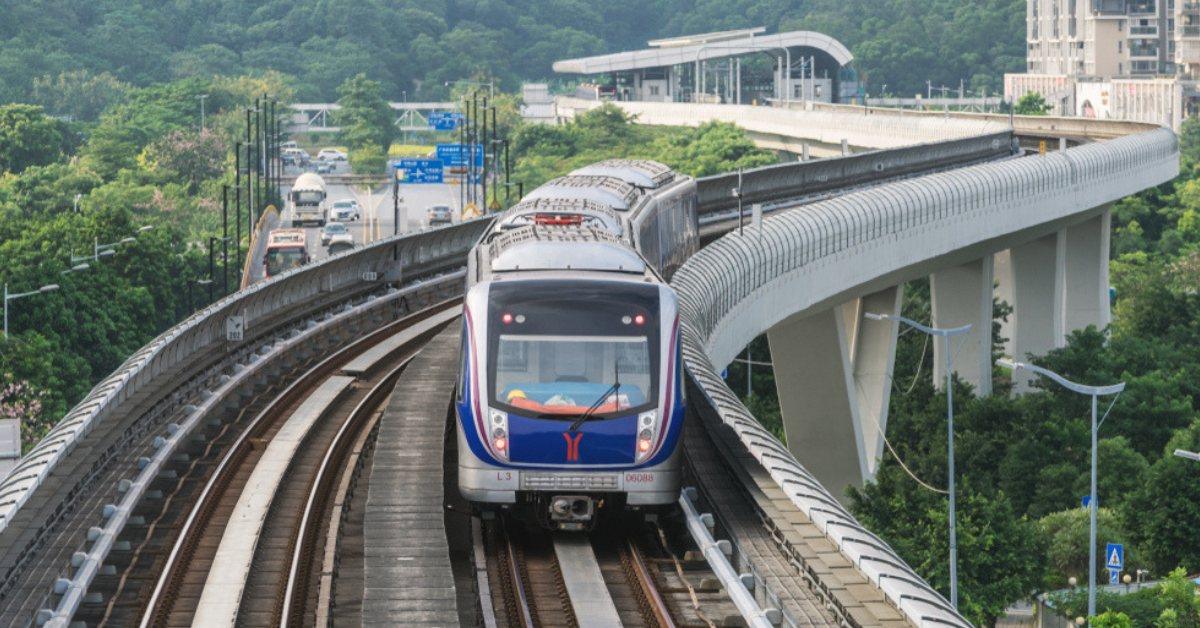
Two Mumbai metro corridors to get safety clearance by March-end
RAILWAYS & METRO RAIL

Two Mumbai metro corridors to get safety clearance by March-end

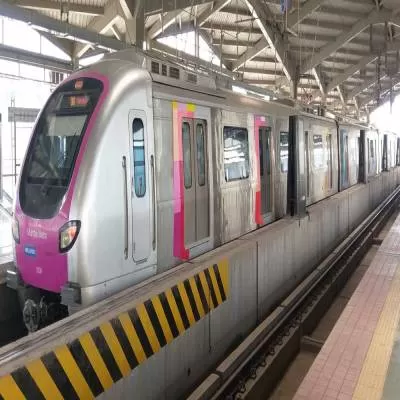
Mumbai Metropolitan Region Development Authority (MMRDA) told the media that the two Mumbai Metro corridors, Dahisar-DN Nagar Metro-2A line and Dahisar East-Andheri East Metro-7, are likely to receive their safety clearance certificate by March-end.

It would make a way to make both the corridors operational by April-mid.

The Metro-2A corridor stretches between Dahisar East and DN Nagar, Andheri through the Linking Road. Meanwhile, the Metro-7 corridor is parallel to the Metro-2A corridor on the Western Express Highway (WEH) from Dahisar East to Andheri East.

The safety certificate for any metro corridor is provided only after a series of checks undertaken by the Commissioner of Railway Safety (CRS).

According to MMRDA officials, the trial run is finished, and the safety inspection by the CRS is also almost done.

Phase-1 for Metro-2A is between Dahisar and Dahanukarwadi and from Dahisar and Aarey Colony for the Metro-7 corridor.

The MMRDA official told the media that they have nearly 11 trains of six coaches for operations for both metro corridors. They would use around eight to nine, and the rest would be on standby.

The frequency is likely to be about 10 minutes and would operate for 18-19 hours every day from 5 am to 11:30 pm.

SVR Srinivas, the metropolitan commissioner of the MMRDA, said that after the first phase starts by April, by October 2022, the second phase or the whole corridor between Dahisar to Andheri is likely to be operational.

Image Source

Also read: Mumbai Metro: CMRS begins inspection of Phase-1 of corridors 2A & 7

Mumbai Metropolitan Region Development Authority (MMRDA) told the media that the two Mumbai Metro corridors, Dahisar-DN Nagar Metro-2A line and Dahisar East-Andheri East Metro-7, are likely to receive their safety clearance certificate by March-end. It would make a way to make both the corridors operational by April-mid. The Metro-2A corridor stretches between Dahisar East and DN Nagar, Andheri through the Linking Road. Meanwhile, the Metro-7 corridor is parallel to the Metro-2A corridor on the Western Express Highway (WEH) from Dahisar East to Andheri East. The safety certificate for any metro corridor is provided only after a series of checks undertaken by the Commissioner of Railway Safety (CRS). According to MMRDA officials, the trial run is finished, and the safety inspection by the CRS is also almost done. Phase-1 for Metro-2A is between Dahisar and Dahanukarwadi and from Dahisar and Aarey Colony for the Metro-7 corridor. The MMRDA official told the media that they have nearly 11 trains of six coaches for operations for both metro corridors. They would use around eight to nine, and the rest would be on standby. The frequency is likely to be about 10 minutes and would operate for 18-19 hours every day from 5 am to 11:30 pm. SVR Srinivas, the metropolitan commissioner of the MMRDA, said that after the first phase starts by April, by October 2022, the second phase or the whole corridor between Dahisar to Andheri is likely to be operational. Image Source Also read: Mumbai Metro: CMRS begins inspection of Phase-1 of corridors 2A & 7

Next Story
Infrastructure Urban

Implementation Status of Jal Jeevan Mission

Since August 2019 the Government has implemented Jal Jeevan Mission to provide assured potable water through household tap connections in rural India. At the start of the mission only 32.3 million (mn) rural households, representing 16.7 per cent, were reported to have tap water connections. States and union territories have reported that 125.8 mn additional rural households have since been provided with tap connections. As a result, of about 193.6 mn rural households roughly 158.2 mn, or 81.71 per cent, are reported to have tap water supply at home.\n\nThe State, district and village level st..

Next Story
Infrastructure Urban

Jal Jeevan Mission Reaches Eighty One Per Cent Rural Coverage

The Government reported substantial progress under the Jal Jeevan Mission, launched in August 2019 to provide tap water to every rural household. At launch only 32.3 million (mn) rural households had tap connections and states and Union territories reported provision of 125.8 mn additional households by March 2026. Consequently, out of about 193.6 mn rural households around 158.2 mn, or 81.71 per cent, are reported to have tap water at home. The Finance Minister announced extension of the mission until 2028 in the 2025-26 budget speech. The Swachh Bharat Mission Grameen, launched in October 20..

Next Story
Infrastructure Urban

Empowering Local Governance for Sustainable Rural Water Supply

The Ministry of Jal Shakti has aligned the Jal Jeevan Mission (JJM) with the 73rd Amendment to strengthen village level planning and community ownership of water supply. Gram Panchayats, village water and sanitation committees and Pani Samitis are to plan, implement, manage and maintain piped water systems, with gram sabha processes formalising handover and oversight. Implementation support agencies including non government organisations, community based organisations and self help groups have been empanelled to train local committees and promote women participation. Under JJM, the department ..

Advertisement

Subscribe to Our Newsletter

Get daily newsletters around different themes from Construction world.

STAY CONNECTED

Advertisement

Advertisement

Advertisement