+
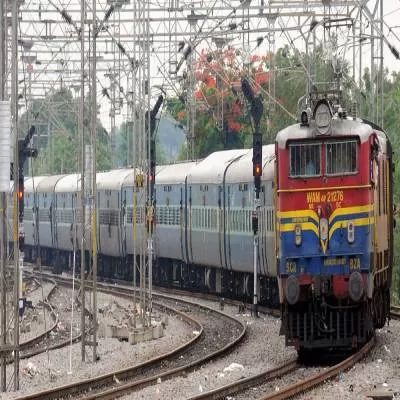
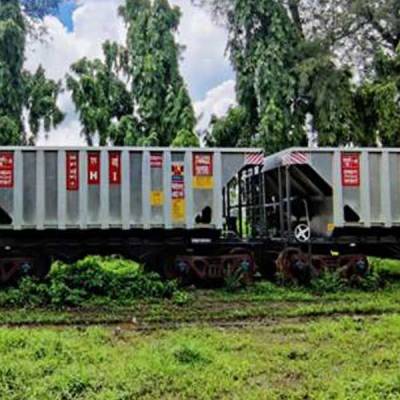
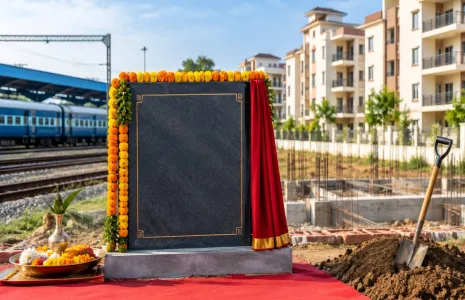
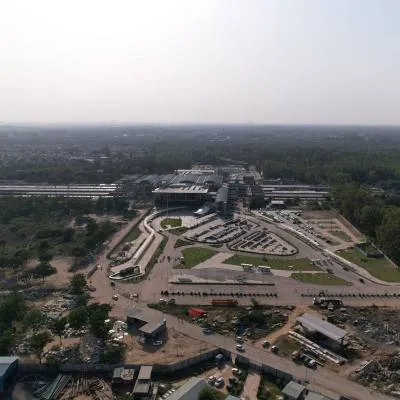
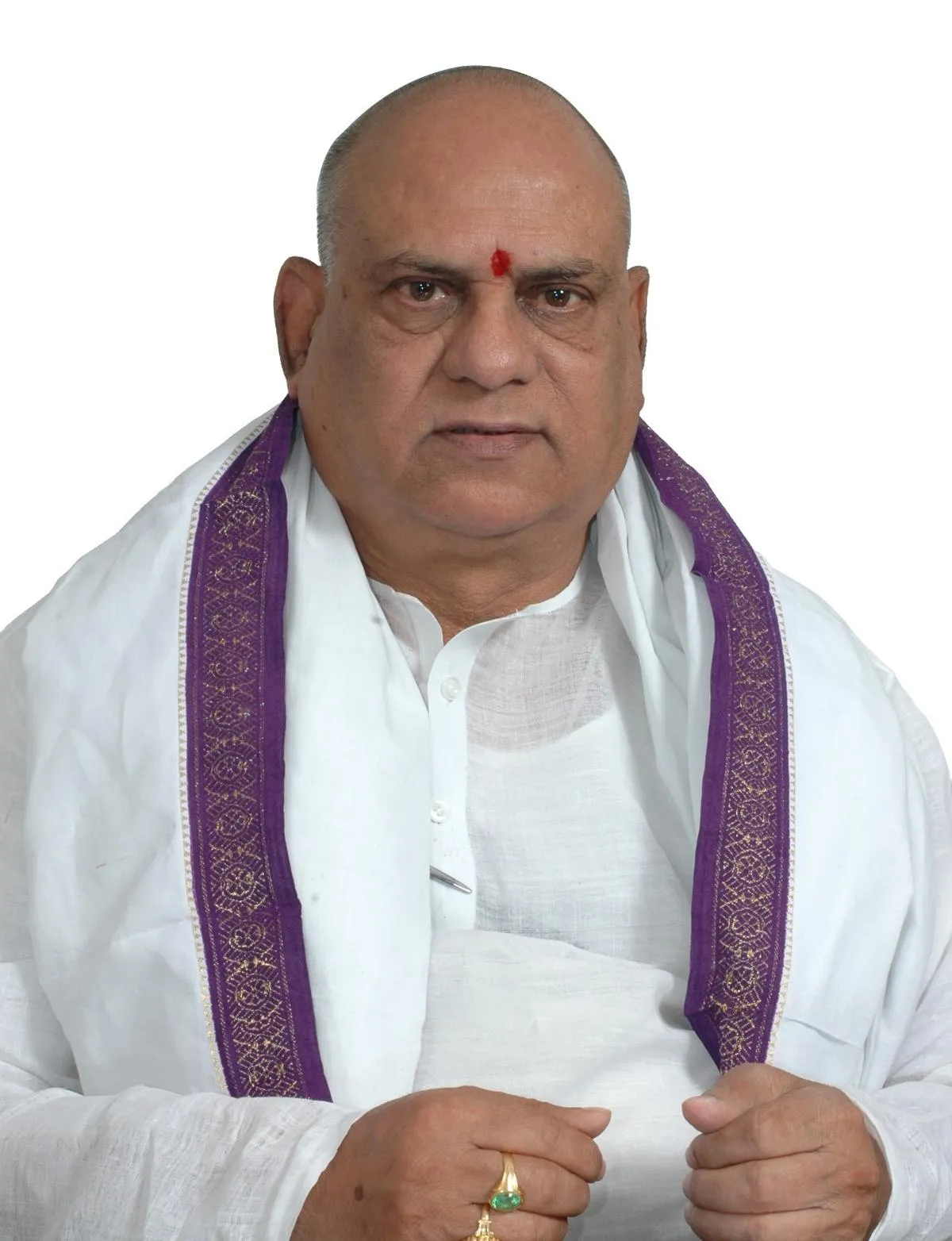
Union Minister Inspects Slab Track System for Bullet Train Project
RAILWAYS & METRO RAIL

Union Minister Inspects Slab Track System for Bullet Train Project

The builder of Chintels Paradiso has submitted an application to the Department of Town and Country Planning (DTCP) seeking approval to redevelop the Sector 109 society in phases. A report on the proposal is expected to be sent by the DTCP headquarters to its enforcement wing in Gurgaon shortly. If approved, the redevelopment will involve reconstructing the towers declared unsafe in one phase and repairing the habitable ones in another. Out of the nine towers in the society, six have been officially deemed unsafe by the district administration. Additionally, two more towers were identified as unsafe by the Central Building Research Institute (CBRI), which conducted structural audits at the builder’s request, although they have not been formally declared unfit for habitation. The builder believes this phased approach could expedite the reconstruction of unsafe towers, a prospect being closely watched by homebuyers. While the phased redevelopment could accelerate the process for residents of unsafe towers opting for reconstruction, concerns remain about the potential impact on overall timelines. Residents of habitable towers are particularly interested in understanding if significant layout changes or infrastructural upgrades are planned and whether these would require their consent. One resident voiced their concerns, stating, "We've been living in uncertainty for far too long. The phasing process might be a step forward, but our main concern is the timeline for redevelopment and whether it will truly address the safety issues." The proposal has raised both hope and apprehension among residents, highlighting the need for clear communication and efficient execution to address long-standing safety concerns and ensure timely redevelopment.

The builder of Chintels Paradiso has submitted an application to the Department of Town and Country Planning (DTCP) seeking approval to redevelop the Sector 109 society in phases. A report on the proposal is expected to be sent by the DTCP headquarters to its enforcement wing in Gurgaon shortly. If approved, the redevelopment will involve reconstructing the towers declared unsafe in one phase and repairing the habitable ones in another. Out of the nine towers in the society, six have been officially deemed unsafe by the district administration. Additionally, two more towers were identified as unsafe by the Central Building Research Institute (CBRI), which conducted structural audits at the builder’s request, although they have not been formally declared unfit for habitation. The builder believes this phased approach could expedite the reconstruction of unsafe towers, a prospect being closely watched by homebuyers. While the phased redevelopment could accelerate the process for residents of unsafe towers opting for reconstruction, concerns remain about the potential impact on overall timelines. Residents of habitable towers are particularly interested in understanding if significant layout changes or infrastructural upgrades are planned and whether these would require their consent. One resident voiced their concerns, stating, We've been living in uncertainty for far too long. The phasing process might be a step forward, but our main concern is the timeline for redevelopment and whether it will truly address the safety issues. The proposal has raised both hope and apprehension among residents, highlighting the need for clear communication and efficient execution to address long-standing safety concerns and ensure timely redevelopment.

Next Story
Infrastructure Urban

Implementation Status of Jal Jeevan Mission

Since August 2019 the Government has implemented Jal Jeevan Mission to provide assured potable water through household tap connections in rural India. At the start of the mission only 32.3 million (mn) rural households, representing 16.7 per cent, were reported to have tap water connections. States and union territories have reported that 125.8 mn additional rural households have since been provided with tap connections. As a result, of about 193.6 mn rural households roughly 158.2 mn, or 81.71 per cent, are reported to have tap water supply at home.\n\nThe State, district and village level st..

Next Story
Infrastructure Urban

Jal Jeevan Mission Reaches Eighty One Per Cent Rural Coverage

The Government reported substantial progress under the Jal Jeevan Mission, launched in August 2019 to provide tap water to every rural household. At launch only 32.3 million (mn) rural households had tap connections and states and Union territories reported provision of 125.8 mn additional households by March 2026. Consequently, out of about 193.6 mn rural households around 158.2 mn, or 81.71 per cent, are reported to have tap water at home. The Finance Minister announced extension of the mission until 2028 in the 2025-26 budget speech. The Swachh Bharat Mission Grameen, launched in October 20..

Next Story
Infrastructure Urban

Empowering Local Governance for Sustainable Rural Water Supply

The Ministry of Jal Shakti has aligned the Jal Jeevan Mission (JJM) with the 73rd Amendment to strengthen village level planning and community ownership of water supply. Gram Panchayats, village water and sanitation committees and Pani Samitis are to plan, implement, manage and maintain piped water systems, with gram sabha processes formalising handover and oversight. Implementation support agencies including non government organisations, community based organisations and self help groups have been empanelled to train local committees and promote women participation. Under JJM, the department ..

Advertisement

Subscribe to Our Newsletter

Get daily newsletters around different themes from Construction world.

STAY CONNECTED

Advertisement

Advertisement

Advertisement