Vande Bharat Train Travelled 463 km with Faulty Brakes; Probe Ordered
RAILWAYS & METRO RAIL

Vande Bharat Train Travelled 463 km with Faulty Brakes; Probe Ordered

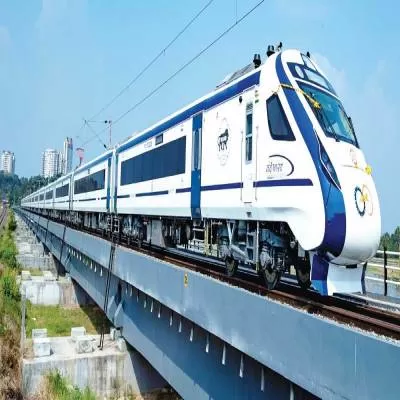
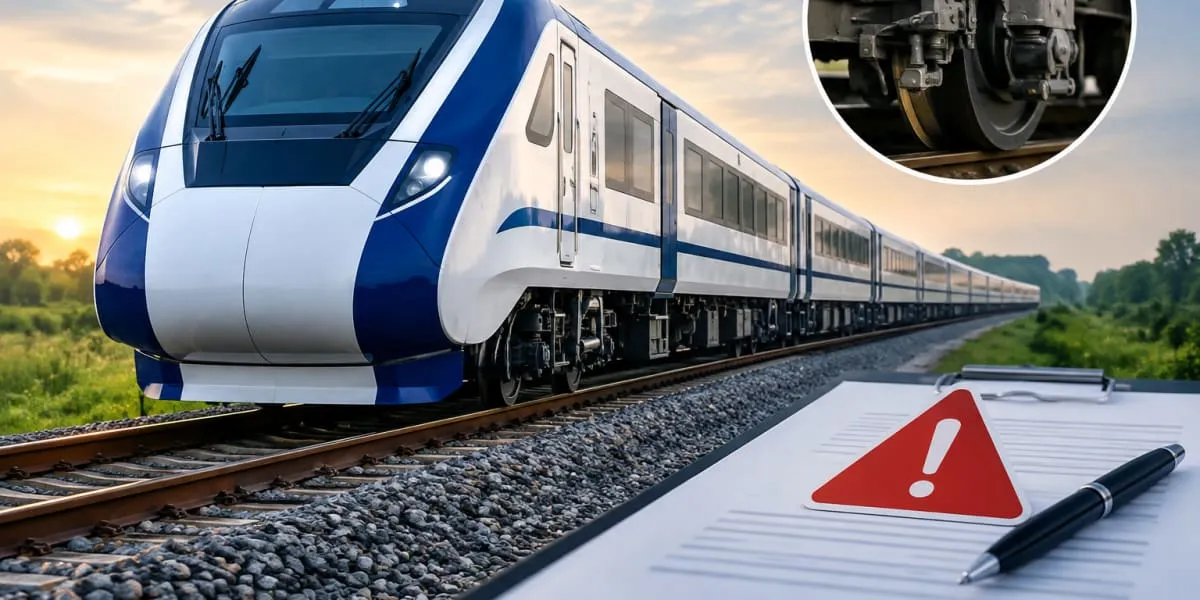
An empty Vande Bharat train travelled 463 km from Hatia in Jharkhand to Jhansi in Uttar Pradesh on October 24 despite warnings that its braking system was ineffective. The South Eastern Railway (SER) zone has ordered an investigation into the incident, which involved a freight locomotive hauling the chair car rake.

The train’s braking system was intended to be integrated with that of the goods locomotive. However, railway staff allegedly failed to complete the integration properly and allowed the rake to continue after the loco pilot reported poor brake power during a test conducted after departure from Hatia.

The loco pilot submitted a written complaint to railway staff at Ranchi, including the section controller and traction loco controller. A second loco pilot who operated the train from Muri also reported that the brakes could not be applied by reducing brake pipe pressure, but the rake was permitted to proceed.

Railway staff took action only when the train reached Deen Dayal Upadhyaya station in Chandauli district. An inspection there found that the braking systems of all coaches had been isolated, meaning the coaches’ brakes could not be applied. The train had therefore been operated using only the locomotive’s brakes and regenerative braking.

An SER order dated November 7 directed the Divisional Railway Manager in Ranchi to conduct a detailed investigation and identify the lapses. A preliminary assessment found negligence by coach and wagon maintenance staff, section and traction controllers, and the train crew operating the rake from Hatia to Deen Dayal Upadhyaya.

The assessment said maintenance staff had not physically checked the brakes before departure, while controllers failed to act on repeated warnings. It also found that the crew, who were unfamiliar with the Vande Bharat braking system, had not verified whether the coaches’ brakes were functioning. SER has sought corrective and preventive measures to prevent a recurrence.

An empty Vande Bharat train travelled 463 km from Hatia in Jharkhand to Jhansi in Uttar Pradesh on October 24 despite warnings that its braking system was ineffective. The South Eastern Railway (SER) zone has ordered an investigation into the incident, which involved a freight locomotive hauling the chair car rake. The train’s braking system was intended to be integrated with that of the goods locomotive. However, railway staff allegedly failed to complete the integration properly and allowed the rake to continue after the loco pilot reported poor brake power during a test conducted after departure from Hatia. The loco pilot submitted a written complaint to railway staff at Ranchi, including the section controller and traction loco controller. A second loco pilot who operated the train from Muri also reported that the brakes could not be applied by reducing brake pipe pressure, but the rake was permitted to proceed. Railway staff took action only when the train reached Deen Dayal Upadhyaya station in Chandauli district. An inspection there found that the braking systems of all coaches had been isolated, meaning the coaches’ brakes could not be applied. The train had therefore been operated using only the locomotive’s brakes and regenerative braking. An SER order dated November 7 directed the Divisional Railway Manager in Ranchi to conduct a detailed investigation and identify the lapses. A preliminary assessment found negligence by coach and wagon maintenance staff, section and traction controllers, and the train crew operating the rake from Hatia to Deen Dayal Upadhyaya. The assessment said maintenance staff had not physically checked the brakes before departure, while controllers failed to act on repeated warnings. It also found that the crew, who were unfamiliar with the Vande Bharat braking system, had not verified whether the coaches’ brakes were functioning. SER has sought corrective and preventive measures to prevent a recurrence.

Related Stories

Gold Stories

Next Story
Infrastructure Urban

TACC Signs MoU with Global Automotive OEM for Fast-Charging Anode Supply

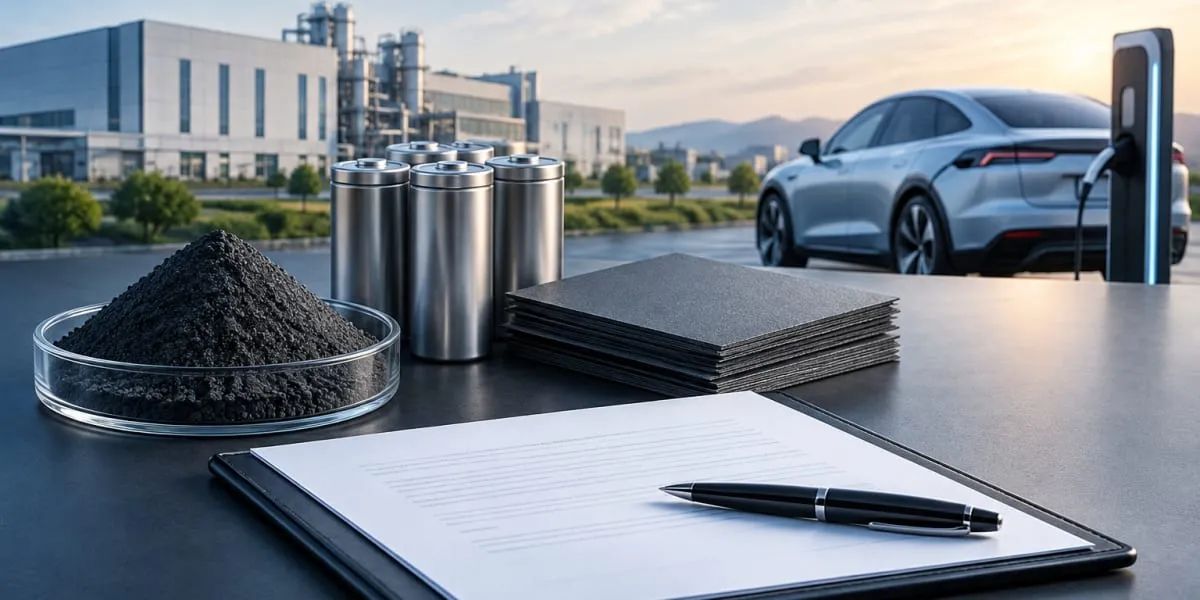
TACC, a subsidiary of HEG Advanced Materials, has signed a non-binding Memorandum of Understanding (MoU) with a global automotive original equipment manufacturer (OEM) to explore supplying fast-charging anode materials for electric vehicles (EVs). The proposed engagement covers materials intended for potential use in electric mobility applications and remains subject to further commercial discussions. TACC’s Phase 1 anode manufacturing facility in Dewas, Madhya Pradesh, is planned to produce 20,000 t of anode active material (AAM) annually. If a commercial supply agreement is finalised, the ..

Next Story
Infrastructure Urban

RAMP Trains 21,000 MSMEs Across Nagaland

The Department of Industries and Commerce, Government of Nagaland, has completed two capacity-building and entrepreneurship development initiatives under the Raising and Accelerating MSME Performance (RAMP) programme. The initiatives were designed to strengthen the state’s micro, small and medium enterprise ecosystem and promote entrepreneurship among educated unemployed youth. Across all 17 districts, 192 workshops were conducted under the capacity-building programme for 18,000 MSMEs. The sessions covered more than 21,000 MSMEs and included 57 Entrepreneurship Awareness Programme workshops ..

Next Story
Infrastructure Energy

Global Diesel Supply Squeeze May Lift Indian Refiners' Margins

Indian oil refining companies could benefit from tightening global diesel supplies and sustained refining margins even if crude oil prices moderate, according to Equirus Research. The brokerage said falling exports from China and declining diesel inventories in major markets could support refining profitability, particularly for standalone refiners such as Reliance Industries. In its latest Oil & Gas Weekly Tracker, Equirus said China’s diesel exports were expected to fall below 0.8 mn tonnes in November 2026, compared with 1.33 mn tonnes in August and 1.8 mn tonnes in September. Commercial ..

Advertisement

Subscribe to Our Newsletter

Get daily newsletters around different themes from Construction world.

STAY CONNECTED

Advertisement

SPECIAL OFFER
QR Code