Wabtec Wins Rs. 8.39 bn Vande Bharat Sleeper Train Order
RAILWAYS & METRO RAIL

Wabtec Wins Rs. 8.39 bn Vande Bharat Sleeper Train Order

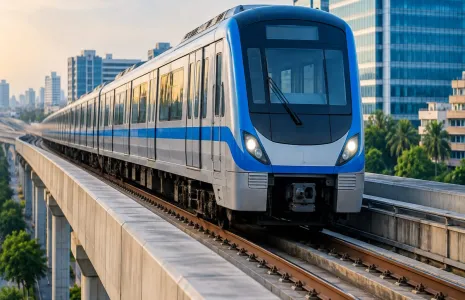
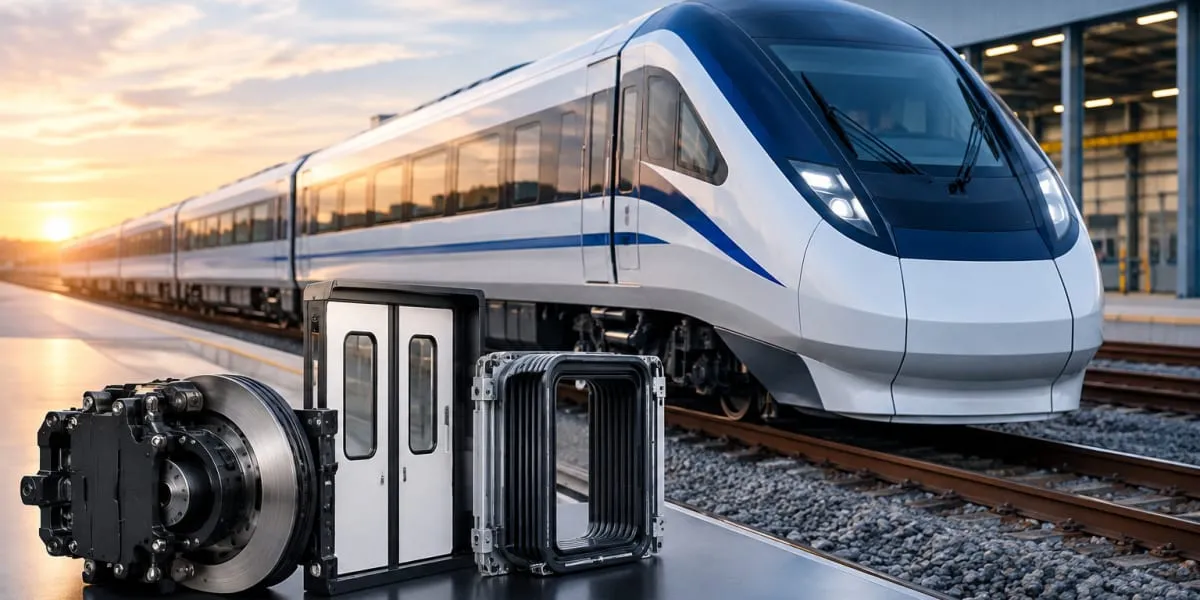
Wabtec has secured a $94 mn order, valued at Rs. 8.39 bn, from Indian Railways to supply onboard equipment for the Vande Bharat Sleeper Train programme. The US-based rail technology and services company will provide braking systems, doors and gangway solutions for trains being manufactured by Integral Coach Factory in Chennai.

The contract covers system delivery, integration support, testing, commissioning and long-term operational reliability support. Integral Coach Factory will manufacture 50 sleeper trainsets, each comprising 24 coaches, for long-distance overnight travel. Wabtec emerged as the lowest bidder for the relevant packages and secured a majority share across three product categories.

Wabtec’s India business expects revenue to reach Rs. 32 bn in 2026, compared with Rs. 30 bn in 2025. Indian Railways accounts for nearly 95 per cent of its revenue, including supplies to major vendors such as Alstom and Siemens. The company is targeting revenue of about Rs. 50 bn by 2029-30, supported by railway modernisation and metro network expansion.

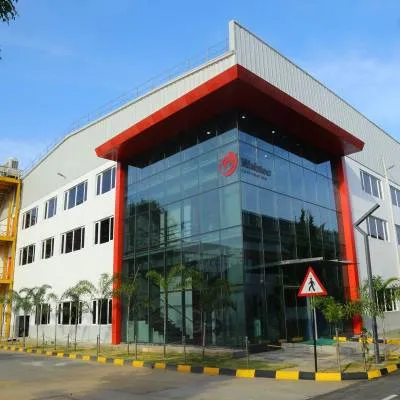
Exports currently contribute about 5 per cent of revenue and may increase to 12 to 13 per cent by 2030. Wabtec has invested about Rs. 3.5 bn in India over the past five years and operates six factories and two engineering centres, with manufacturing facilities in Hosur, Chennai and Rohtak. The company also expanded its Indian footprint through its global acquisition of Dellner, which specialises in train connection systems.

Wabtec said its Indian strategy centres on designing products for local requirements, manufacturing them domestically and providing after-sales support within the country. Its operations have 80 to 85 per cent local content and work with more than 450 suppliers. The company has supplied braking systems, doors and other equipment for about 3,500 coaches, with nearly 20,000 product installations in India. It has also supplied more than 8,000 high-reach pantographs designed for Indian electrification requirements, accounting for five out of every six such pantographs used in the country.

Wabtec has secured a $94 mn order, valued at Rs. 8.39 bn, from Indian Railways to supply onboard equipment for the Vande Bharat Sleeper Train programme. The US-based rail technology and services company will provide braking systems, doors and gangway solutions for trains being manufactured by Integral Coach Factory in Chennai. The contract covers system delivery, integration support, testing, commissioning and long-term operational reliability support. Integral Coach Factory will manufacture 50 sleeper trainsets, each comprising 24 coaches, for long-distance overnight travel. Wabtec emerged as the lowest bidder for the relevant packages and secured a majority share across three product categories. Wabtec’s India business expects revenue to reach Rs. 32 bn in 2026, compared with Rs. 30 bn in 2025. Indian Railways accounts for nearly 95 per cent of its revenue, including supplies to major vendors such as Alstom and Siemens. The company is targeting revenue of about Rs. 50 bn by 2029-30, supported by railway modernisation and metro network expansion. Exports currently contribute about 5 per cent of revenue and may increase to 12 to 13 per cent by 2030. Wabtec has invested about Rs. 3.5 bn in India over the past five years and operates six factories and two engineering centres, with manufacturing facilities in Hosur, Chennai and Rohtak. The company also expanded its Indian footprint through its global acquisition of Dellner, which specialises in train connection systems. Wabtec said its Indian strategy centres on designing products for local requirements, manufacturing them domestically and providing after-sales support within the country. Its operations have 80 to 85 per cent local content and work with more than 450 suppliers. The company has supplied braking systems, doors and other equipment for about 3,500 coaches, with nearly 20,000 product installations in India. It has also supplied more than 8,000 high-reach pantographs designed for Indian electrification requirements, accounting for five out of every six such pantographs used in the country.

Related Stories

Gold Stories

Next Story
Infrastructure Urban

Bajaj Auto to Raise Monthly Electric 2W Capacity to 80,000 by March

Bajaj Auto plans to raise monthly production capacity for electric two-wheelers to around 80,000 units by the end of March, as demand for its Chetak electric scooter continues to exceed available output. The company currently has capacity for around 60,000 electric two-wheelers a month. Joint Managing Director Rakesh Sharma said production had returned to the existing full capacity after a supply chain disruption affected output. The issue had reduced recent production to around 40,000 units, resulting in a shortfall of 20,000 vehicles despite strong demand. The company expects to remove produ..

Next Story
Infrastructure Transport

India’s Domestic Air Passenger Traffic Falls 6.5% in September

India’s domestic air passenger traffic declined 6.49 per cent month on month to 11.8 mn in September, according to data released by the Directorate General of Civil Aviation (DGCA). IndiGo retained its leading position, carrying nearly two-thirds of domestic passengers, while the Air India Group remained the second-largest operator. IndiGo held a 65.4 per cent market share and transported 7.73 mn passengers during the month. The Air India Group accounted for 26.8 per cent of the market, carrying 3.165 mn passengers, based on data from the aviation regulator. Akasa Air ranked third with a 5.6..

Next Story
Infrastructure Urban

DPIIT Advances Trust-Based Governance Across India

The Department for Promotion of Industry and Internal Trade (DPIIT), under the Ministry of Commerce and Industry, is shifting India’s regulatory approach from permission-based administration to trust-based governance. The reforms seek to reduce business compliance, support startups, attract investment and simplify approvals across the country. According to an official statement, 47,957 compliance requirements have been reduced across Central Ministries and States and Union Territories. Of these, 22,290 have been digitised, 16,141 simplified, 5,255 decriminalised and 4,271 eliminated. The Jan..

Advertisement

Subscribe to Our Newsletter

Get daily newsletters around different themes from Construction world.

STAY CONNECTED

Advertisement

SPECIAL OFFER
QR Code