WR To Open Jogeshwari Long-Distance Rail Terminus
RAILWAYS & METRO RAIL

WR To Open Jogeshwari Long-Distance Rail Terminus

Western Railway is set to commission Mumbai’s fourth long-distance railway terminus at Jogeshwari, with Phase I expected to become operational by June 2026 and the full facility scheduled for completion by March 2027, according to a report.

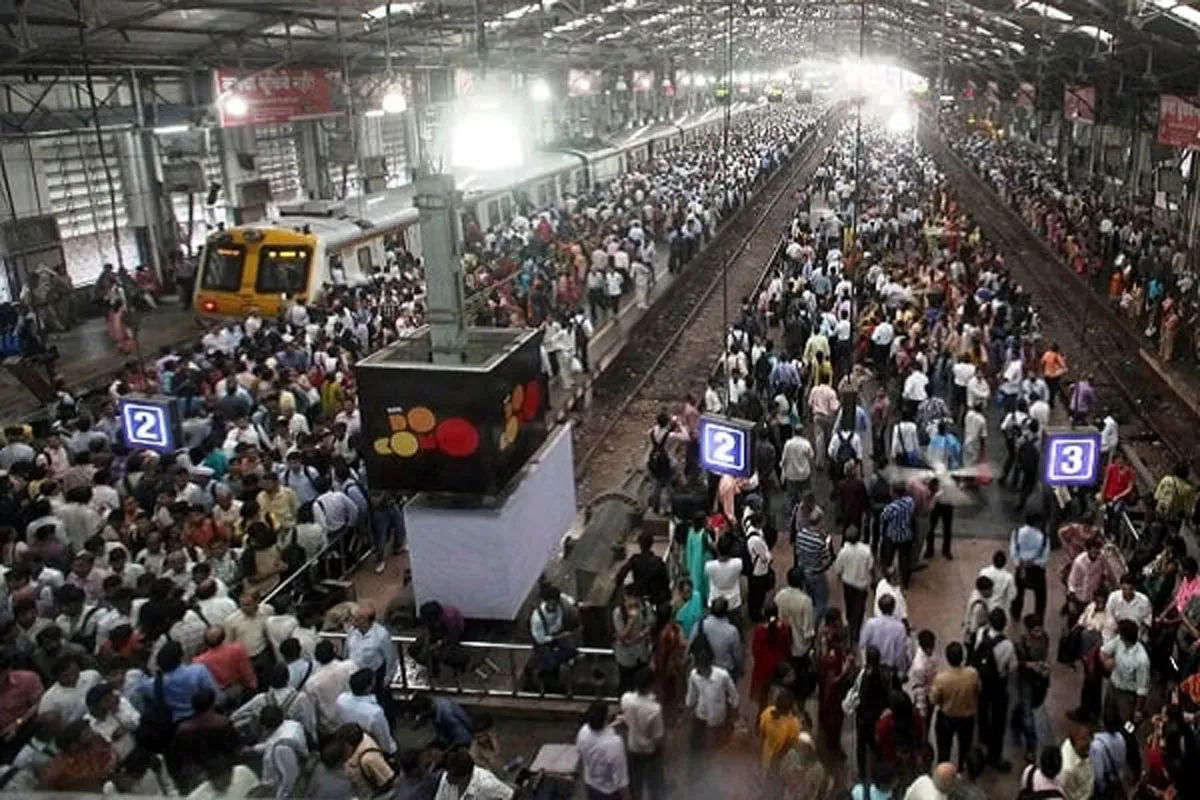
The new terminus, estimated to cost Rs 764.8 million, is aimed at reducing congestion at heavily crowded stations such as Dadar, Mumbai Central and Bandra Terminus.

The facility is being developed at the existing auxiliary terminal yard in Jogeshwari, which is currently used only for stabling trains and does not cater to passenger services. Once fully operational, the terminus will be integrated into Mumbai’s long-distance rail network and is expected to handle up to 24 trains daily after the completion of both phases.

The project was originally slated for completion in December 2024 but faced delays due to site-related challenges and contractual issues.

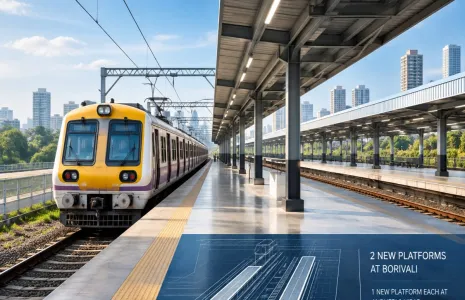
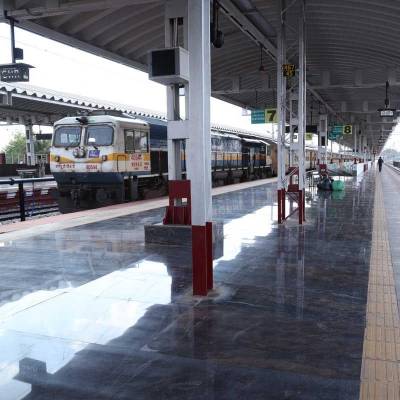
Under Phase I, Western Railway has approved the development of a coaching terminal with two passenger platforms—one on the station side and another located between tracks—allowing three long-distance trains to be operated simultaneously. After commissioning, the terminal is expected to handle 12 pairs of long-distance trains each day.

Phase II of the project, approved under Western Railway’s 2024–25 umbrella plan, will include the addition of another passenger platform, two more tracks and supporting infrastructure such as a pit line and shunting neck. These upgrades are intended to enable smoother train operations and improved capacity.

With the completion of Phase II by March 2027, the Jogeshwari terminus is expected to handle around 24 long-distance trains daily, significantly strengthening Mumbai’s rail infrastructure.

Western Railway is set to commission Mumbai’s fourth long-distance railway terminus at Jogeshwari, with Phase I expected to become operational by June 2026 and the full facility scheduled for completion by March 2027, according to a report. The new terminus, estimated to cost Rs 764.8 million, is aimed at reducing congestion at heavily crowded stations such as Dadar, Mumbai Central and Bandra Terminus. The facility is being developed at the existing auxiliary terminal yard in Jogeshwari, which is currently used only for stabling trains and does not cater to passenger services. Once fully operational, the terminus will be integrated into Mumbai’s long-distance rail network and is expected to handle up to 24 trains daily after the completion of both phases. The project was originally slated for completion in December 2024 but faced delays due to site-related challenges and contractual issues. Under Phase I, Western Railway has approved the development of a coaching terminal with two passenger platforms—one on the station side and another located between tracks—allowing three long-distance trains to be operated simultaneously. After commissioning, the terminal is expected to handle 12 pairs of long-distance trains each day. Phase II of the project, approved under Western Railway’s 2024–25 umbrella plan, will include the addition of another passenger platform, two more tracks and supporting infrastructure such as a pit line and shunting neck. These upgrades are intended to enable smoother train operations and improved capacity. With the completion of Phase II by March 2027, the Jogeshwari terminus is expected to handle around 24 long-distance trains daily, significantly strengthening Mumbai’s rail infrastructure.

Next Story
Real Estate

A Paradigm Shift

The Indian real-estate and construction sector, which employs a significant number of organised and unorganised workers in the country, has embarked on a paradigm shift in its regulatory framework from an employment law perspective. With the four Labour Codes – the Code on Wages, 2019 (Wage Code); the Industrial Relations Code, 2020 (IR Code); the Code on Social Security, 2020 (SS Code) and the Occupational Safety, Health and Working Conditions Code, 2020 (OSH Code) – coming into effect in India from November 21, 2025, the industry is shifting away from a fragmented, contractor- driven com..

Next Story
Technology

We offer end-to-end traceability at scale

mjunction has evolved from an e-auction pioneer into a multi-vertical digital commerce platform with deep expertise in complex steel and coal supply chains. Its end-to-end, AI-led architecture focuses on price discovery, traceability, compliance and scalability, enabling transparent procurement, efficient logistics and data-driven decision-making across geographies. Vinaya Varma, MD, shares more about the company in conversation with CW.From a technology standpoint, what are the core USPs of mjunction today that differentiate it in steel and coal supply chains?mjunction has evolved b..

Next Story
Infrastructure Urban

Henkel, Rotary Recycle PoP Ganesha Idols Under Project HARMONY

Henkel India, in partnership with the Rotary Club of Navi Mumbai – Joy of Giving and with support from the Navi Mumbai Municipal Corporation (NMMC), has advanced circular sustainability through Project HARMONY by recycling Plaster of Paris (PoP) Ganesha idols into community learning assets. The initiative highlights an integrated approach to environmental restoration and social impact.As part of the project, materials collected after Ganesh Visarjan 2025 at Nerul were responsibly diverted from land and water bodies and processed at an authorised recycling facility, with on-ground execution s..

Advertisement

Subscribe to Our Newsletter

Get daily newsletters around different themes from Construction world.

STAY CONNECTED

Advertisement

Advertisement

Advertisement

Advertisement

Open In App