

Rs 10 billion allocated for Regional Rapid Transit
PORTS & SHIPPING

Rs 10 billion allocated for Regional Rapid Transit

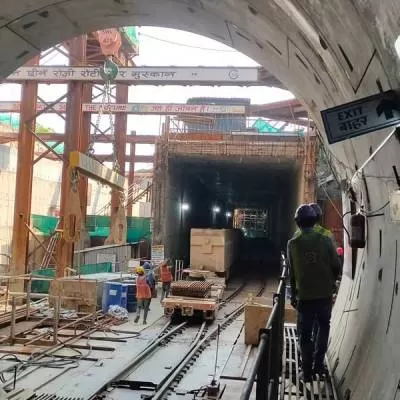
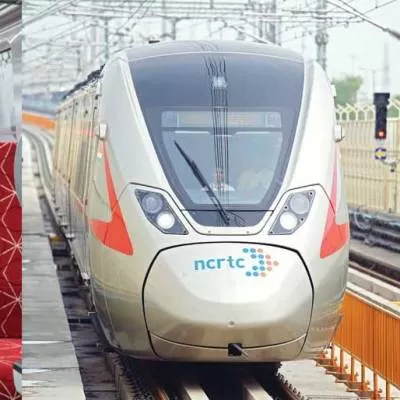
The National Capital Region Transport Corporation (NCRTC) is all geared up to start the civil construction on the inaugural corridor of the Delhi-Meerut Regional Rapid Rail corridor. NCRTC, which is responsible for implementing India’s first Regional Rapid Transit System (RRTS) project, has been reportedly granted Rs 10 billion by the government.

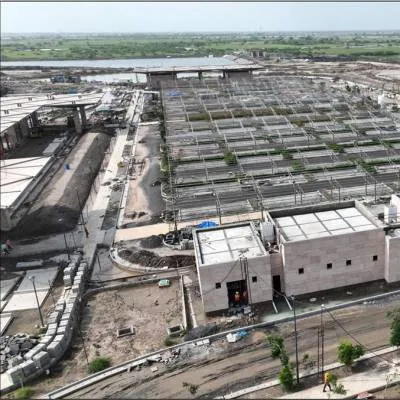
NCRTC has reportedly started the pre-construction works on the project. The pre-construction work includes geo-technical investigation, road widening work, utility diversion, initial pile load testing, to name a few.

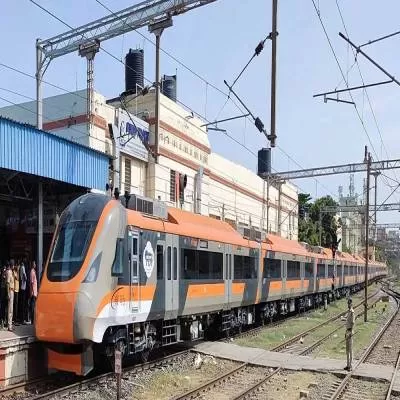
The Delhi-Meerut RRTS corridor is expected, which is 82-km long, is expected to curb pollution and decongest Delhi. Also, the distance between Meerut and New Delhi is expected to be less than 60 minutes once the Delhi-Meerut RRTS starts functioning. The RRTS system is a rail-based high speed transit system. It aims on providing seamless connectivity, reduce pollution as well as congestion in the NCR.

An in-principle approval to build an elevated station at Sarai Kale Khan for the upcoming high-speed Delhi-Meerut RRTS project has been given by the Delhi Government. This approval was for the NCRTC’s proposal to build the elevated station. Under Phase-1 of the RRTS project of NCRTC, three rapid rail corridors have been reportedly proposed to be implemented. The three rapid rail corridors include the 82-km long Delhi-Ghaziabad Meerut corridor, the 103-km long Delhi-Sonipat-Panipat corridor and the 164-km long Delhi-Gurugram-Rewari-Alwar corridor.

However, the allotted Rs 10-billion is expected give the necessary boost in the infrastructural development and implementation of the RRTS corridor.

The National Capital Region Transport Corporation (NCRTC) is all geared up to start the civil construction on the inaugural corridor of the Delhi-Meerut Regional Rapid Rail corridor. NCRTC, which is responsible for implementing India’s first Regional Rapid Transit System (RRTS) project, has been reportedly granted Rs 10 billion by the government. NCRTC has reportedly started the pre-construction works on the project. The pre-construction work includes geo-technical investigation, road widening work, utility diversion, initial pile load testing, to name a few. The Delhi-Meerut RRTS corridor is expected, which is 82-km long, is expected to curb pollution and decongest Delhi. Also, the distance between Meerut and New Delhi is expected to be less than 60 minutes once the Delhi-Meerut RRTS starts functioning. The RRTS system is a rail-based high speed transit system. It aims on providing seamless connectivity, reduce pollution as well as congestion in the NCR. An in-principle approval to build an elevated station at Sarai Kale Khan for the upcoming high-speed Delhi-Meerut RRTS project has been given by the Delhi Government. This approval was for the NCRTC’s proposal to build the elevated station. Under Phase-1 of the RRTS project of NCRTC, three rapid rail corridors have been reportedly proposed to be implemented. The three rapid rail corridors include the 82-km long Delhi-Ghaziabad Meerut corridor, the 103-km long Delhi-Sonipat-Panipat corridor and the 164-km long Delhi-Gurugram-Rewari-Alwar corridor. However, the allotted Rs 10-billion is expected give the necessary boost in the infrastructural development and implementation of the RRTS corridor.

Next Story
Infrastructure Urban

India Expands Semiconductor Training To 500 Institutions

Under the Chips to Startups programme of the India Semiconductor Mission, the Union minister responsible for Railways, Information and Broadcasting, and Electronics and IT reported notable progress in talent development. He indicated that over the past four years substantial steps have been taken towards a 10-year target of training 85,000 engineers in semiconductor design. World-class EDA tools have been deployed in 315 academic institutions across the country to provide students with practical exposure to chip design. These EDA tools are supported by leading global firms and are accessible t..

Next Story
Infrastructure Urban

Delhi Institutions Support India Semiconductor Mission

The Government of India has prioritised talent development through training, upskilling and workforce development under the Chips to Startups initiative of the India Semiconductor Mission, with officials noting progress in four years towards a 10-year target of training 85,000 engineers in semiconductor design. Electronic design automation tools provided by Synopsys, Cadence, Siemens, Renesas, Ansys and AMD have been deployed in 315 academic institutions, enabling students to gain practical chip design experience. Chips have been fabricated and tested at the Semiconductor Laboratory, Mohali, a..

Next Story
Infrastructure Urban

NHA Announces Winners Of NHCX Hackathon At IIT Hyderabad

The National Health Authority (NHA) has concluded the NHCX Hackathon under the Ayushman Bharat Digital Mission (ABDM) to stimulate innovation around the National Health Claims Exchange (NHCX). The winning teams presented their solutions at the NHCX Innovation Meet held at IIT Hyderabad during a two-day event in March 2026 that also served as the hackathon grand finale. The hackathon itself ran from 22 to 28 February 2026 and aimed to accelerate paperless, transparent claims processing across India. The event was organised with a range of ecosystem partners, including the Insurance Regulatory a..

Advertisement

Subscribe to Our Newsletter

Get daily newsletters around different themes from Construction world.

STAY CONNECTED

Advertisement

Advertisement

Advertisement