
APSEZ Establishes India's First Port of Refuge
PORTS & SHIPPING

APSEZ Establishes India's First Port of Refuge

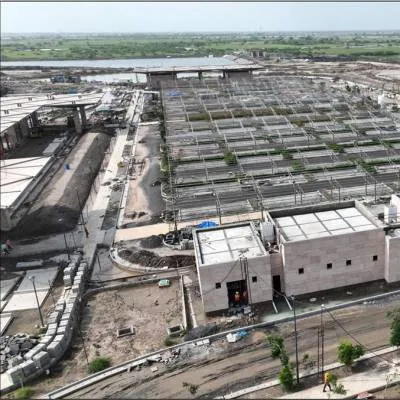
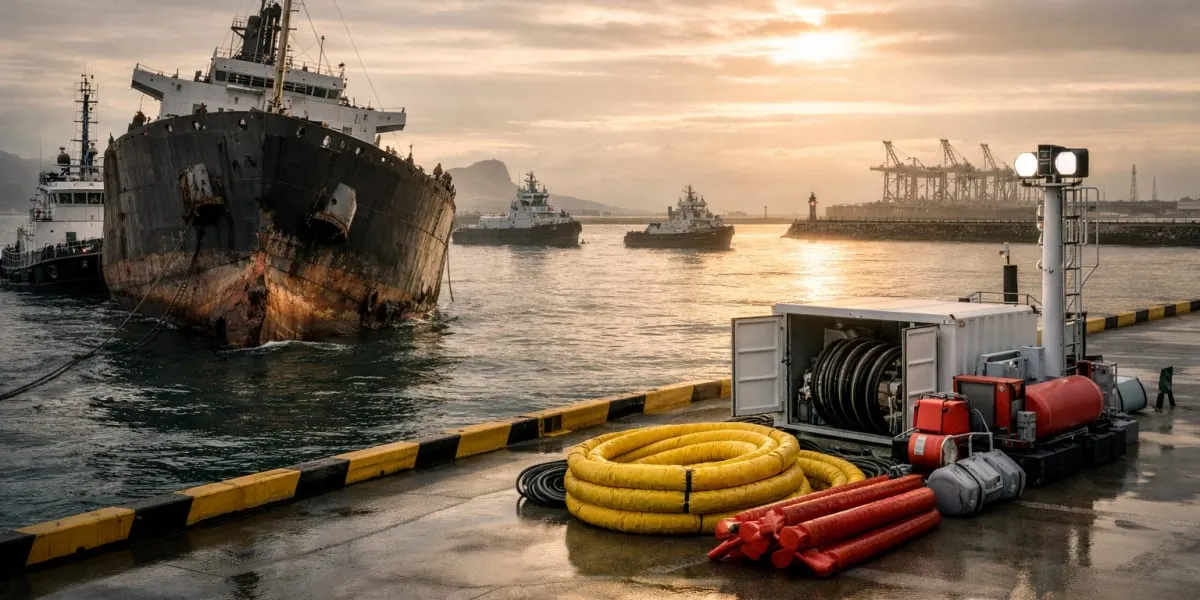
Adani Ports and Special Economic Zone (APSEZ) has established India’s first Port of Refuge to strengthen maritime safety and provide immediate shelter to vessels in distress. The facility is intended to offer a controlled and secure location where ships can seek protection from adverse conditions while emergency services coordinate assistance. The initiative is presented as a measure to reduce the risk of accidents and environmental harm along coastal approaches.

The port of refuge will be equipped to support towing and mooring operations and to host temporary containment and response measures to limit pollution. It will provide safe anchorage and access to onshore logistics that are essential for casualty management and repairs. The design emphasises navigational safety, clear approach channels and coordinated pilotage to reduce response times.

The facility will be operated within existing maritime safety frameworks and is expected to work closely with coastal authorities, rescue agencies and port operators to ensure rapid mobilisation in emergencies. Operational protocols are to be established for risk assessment, incident command and environmental protection. Training and simulation exercises are planned to rehearse responses and to maintain readiness.

Stakeholders suggest that the port of refuge will strengthen the resilience of coastal trade by providing a predefined option for vessels facing weather or technical distress, thereby helping to maintain continuity in supply chains. The availability of a dedicated safe haven is intended to reduce pressure on main harbour facilities during crises and to limit cascading disruptions to commercial shipping. The move is described as aligning with broader efforts to enhance maritime infrastructure and safety governance.

APSEZ will monitor the performance of the facility and may consider phased enhancements to capacity and services based on operational experience. Continued coordination with government bodies and industry partners is expected to support regulatory compliance and to foster improvements in response protocols. The establishment of the port of refuge is positioned as a practical step towards safer seas and more secure coastal operations.

Adani Ports and Special Economic Zone (APSEZ) has established India’s first Port of Refuge to strengthen maritime safety and provide immediate shelter to vessels in distress. The facility is intended to offer a controlled and secure location where ships can seek protection from adverse conditions while emergency services coordinate assistance. The initiative is presented as a measure to reduce the risk of accidents and environmental harm along coastal approaches. The port of refuge will be equipped to support towing and mooring operations and to host temporary containment and response measures to limit pollution. It will provide safe anchorage and access to onshore logistics that are essential for casualty management and repairs. The design emphasises navigational safety, clear approach channels and coordinated pilotage to reduce response times. The facility will be operated within existing maritime safety frameworks and is expected to work closely with coastal authorities, rescue agencies and port operators to ensure rapid mobilisation in emergencies. Operational protocols are to be established for risk assessment, incident command and environmental protection. Training and simulation exercises are planned to rehearse responses and to maintain readiness. Stakeholders suggest that the port of refuge will strengthen the resilience of coastal trade by providing a predefined option for vessels facing weather or technical distress, thereby helping to maintain continuity in supply chains. The availability of a dedicated safe haven is intended to reduce pressure on main harbour facilities during crises and to limit cascading disruptions to commercial shipping. The move is described as aligning with broader efforts to enhance maritime infrastructure and safety governance. APSEZ will monitor the performance of the facility and may consider phased enhancements to capacity and services based on operational experience. Continued coordination with government bodies and industry partners is expected to support regulatory compliance and to foster improvements in response protocols. The establishment of the port of refuge is positioned as a practical step towards safer seas and more secure coastal operations.

Next Story
Equipment

MYCRANE Crosses 1,000 Customers in India

MYCRANE, the global platform for crane rental and purchase, has achieved major commercial milestones in India, reinforcing the country’s position as one of its fastest-growing strategic markets. The company has surpassed 1,000 registered customers and 1,000 crane suppliers nationwide, while completing more than 100 paid orders.The growth reflects rising adoption of digital procurement solutions across India’s construction, infrastructure, energy and industrial sectors. Equipment sourced through the platform is supporting projects across the country, with several leading contractors and EPC..

Next Story
Infrastructure Urban

AMTOE 2026 Opens Global Machine Tool Sourcing Hub

The Asian Machine Tool Online Exhibition 2026 (AMTOE 2026) has officially opened as a B2B sourcing platform connecting global buyers with verified Asian suppliers across the machine tool and manufacturing sector. The exhibition will run until 31 October 2026 through a hybrid online and offline model, offering extended sourcing and business networking opportunities.Co-organised by AsianNet and TradeAsia, the event aims to strengthen links between Asian manufacturers and international importers while improving cross-border procurement efficiency and supplier matching.Since launching in 2022, AMT..

Next Story
Infrastructure Energy

Vedanta Lifts Renewable Energy Use by Over 50%

On World Earth Day, Vedanta Limited announced that its renewable energy usage rose by over 50 per cent year on year to 3.97 billion units in FY26, helping avoid 3 million tonnes of carbon dioxide emissions.The company said its portfolio of metals, minerals, power, and oil & gas continues to support advanced manufacturing, electrification, energy transition and clean technology. Aluminium, copper and silver remain critical for applications such as mobility, power transmission, renewable infrastructure and solar photovoltaics, while iron, steel and zinc continue to support energy infrastruct..

Advertisement

Subscribe to Our Newsletter

Get daily newsletters around different themes from Construction world.

STAY CONNECTED

Advertisement

Advertisement

Advertisement