APSEZ Establishes India's First Port of Refuge
PORTS & SHIPPING

APSEZ Establishes India's First Port of Refuge

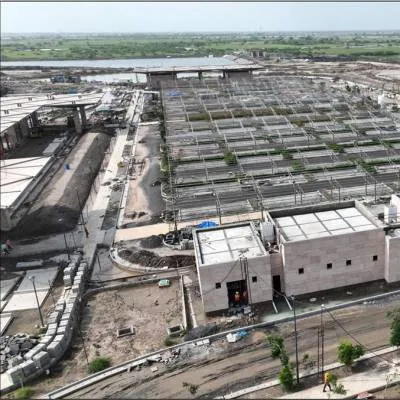
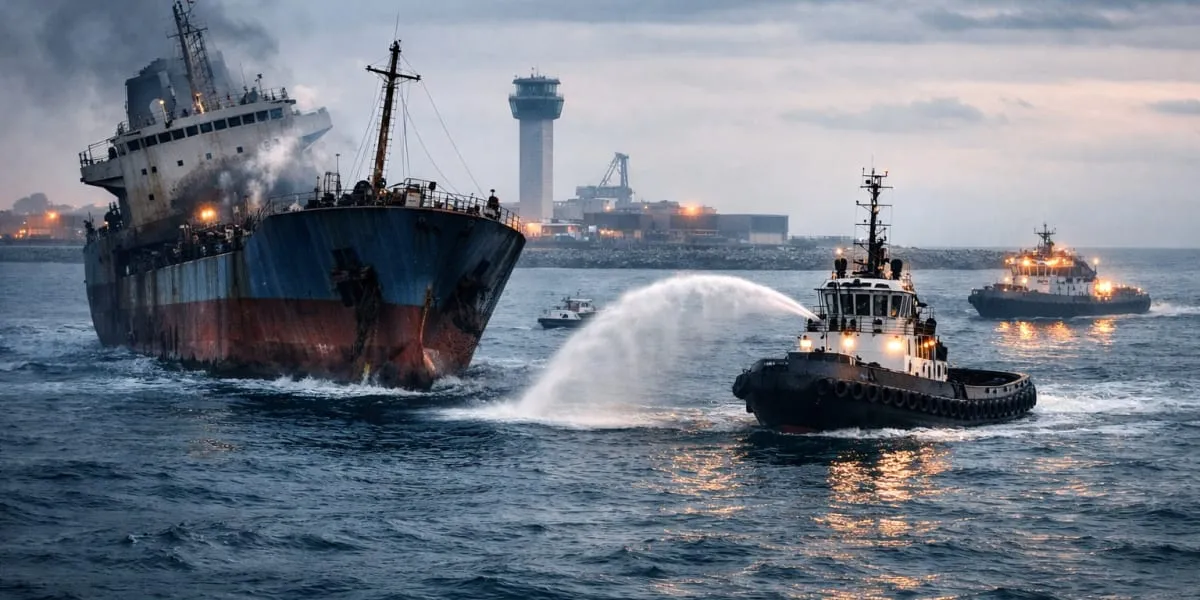
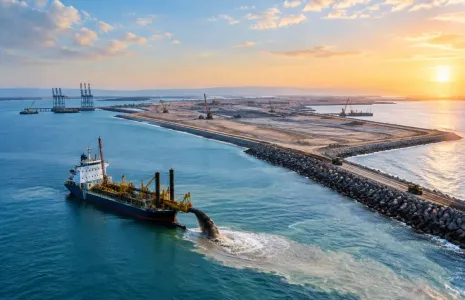
Adani Ports and Special Economic Zone (APSEZ) has established India's first Port of Refuge designed to provide safe haven for vessels in distress and to strengthen the resilience of coastal operations. The facility is intended to offer immediate shelter, tug and pilot assistance and coordinated emergency response to mitigate risk to life, cargo and the coastal environment. The initiative aligns with national maritime safety objectives and seeks to address a longstanding gap in regional contingency planning. The scheme is designed to integrate with existing port services.

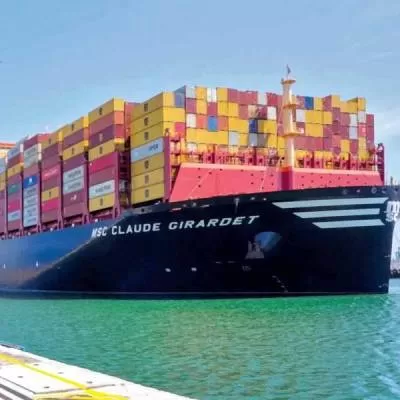
The Port of Refuge is configured to receive vessels facing mechanical failure, adverse weather or navigational emergencies while minimising disruption to commercial shipping lanes. Infrastructure and operational protocols will prioritise rapid assessment, medical evacuation and pollution control while enabling temporary anchorage and logistical support. APSEZ has indicated that the facility will operate within regulatory frameworks and in coordination with port authorities, coastguard agencies and other stakeholders.

The development is expected to improve response times and reduce the potential for maritime accidents to escalate into major incidents, thereby protecting trade flows and the marine environment. Operators and insurers may see improved risk management as vessels have access to designated refuge capacity and established emergency protocols. Local maritime workers are likely to benefit from enhanced training and clearer incident command arrangements. Stakeholders have been invited to take part in collaborative preparedness drills.

APSEZ framed the project as part of a wider commitment to modernise port infrastructure and to support safer, more sustainable coastal logistics. The company anticipates continued engagement with government bodies and industry partners to refine operational procedures and to conduct exercises that test the new arrangements. The Port of Refuge is presented as a practical measure to bolster maritime preparedness and to safeguard coastal communities. Further operational details will be shared as implementation progresses.

Adani Ports and Special Economic Zone (APSEZ) has established India's first Port of Refuge designed to provide safe haven for vessels in distress and to strengthen the resilience of coastal operations. The facility is intended to offer immediate shelter, tug and pilot assistance and coordinated emergency response to mitigate risk to life, cargo and the coastal environment. The initiative aligns with national maritime safety objectives and seeks to address a longstanding gap in regional contingency planning. The scheme is designed to integrate with existing port services. The Port of Refuge is configured to receive vessels facing mechanical failure, adverse weather or navigational emergencies while minimising disruption to commercial shipping lanes. Infrastructure and operational protocols will prioritise rapid assessment, medical evacuation and pollution control while enabling temporary anchorage and logistical support. APSEZ has indicated that the facility will operate within regulatory frameworks and in coordination with port authorities, coastguard agencies and other stakeholders. The development is expected to improve response times and reduce the potential for maritime accidents to escalate into major incidents, thereby protecting trade flows and the marine environment. Operators and insurers may see improved risk management as vessels have access to designated refuge capacity and established emergency protocols. Local maritime workers are likely to benefit from enhanced training and clearer incident command arrangements. Stakeholders have been invited to take part in collaborative preparedness drills. APSEZ framed the project as part of a wider commitment to modernise port infrastructure and to support safer, more sustainable coastal logistics. The company anticipates continued engagement with government bodies and industry partners to refine operational procedures and to conduct exercises that test the new arrangements. The Port of Refuge is presented as a practical measure to bolster maritime preparedness and to safeguard coastal communities. Further operational details will be shared as implementation progresses.

Next Story
Equipment

MYCRANE Crosses 1,000 Customers in India

MYCRANE, the global platform for crane rental and purchase, has achieved major commercial milestones in India, reinforcing the country’s position as one of its fastest-growing strategic markets. The company has surpassed 1,000 registered customers and 1,000 crane suppliers nationwide, while completing more than 100 paid orders.The growth reflects rising adoption of digital procurement solutions across India’s construction, infrastructure, energy and industrial sectors. Equipment sourced through the platform is supporting projects across the country, with several leading contractors and EPC..

Next Story
Infrastructure Urban

AMTOE 2026 Opens Global Machine Tool Sourcing Hub

The Asian Machine Tool Online Exhibition 2026 (AMTOE 2026) has officially opened as a B2B sourcing platform connecting global buyers with verified Asian suppliers across the machine tool and manufacturing sector. The exhibition will run until 31 October 2026 through a hybrid online and offline model, offering extended sourcing and business networking opportunities.Co-organised by AsianNet and TradeAsia, the event aims to strengthen links between Asian manufacturers and international importers while improving cross-border procurement efficiency and supplier matching.Since launching in 2022, AMT..

Next Story
Infrastructure Energy

Vedanta Lifts Renewable Energy Use by Over 50%

On World Earth Day, Vedanta Limited announced that its renewable energy usage rose by over 50 per cent year on year to 3.97 billion units in FY26, helping avoid 3 million tonnes of carbon dioxide emissions.The company said its portfolio of metals, minerals, power, and oil & gas continues to support advanced manufacturing, electrification, energy transition and clean technology. Aluminium, copper and silver remain critical for applications such as mobility, power transmission, renewable infrastructure and solar photovoltaics, while iron, steel and zinc continue to support energy infrastruct..

Advertisement

Subscribe to Our Newsletter

Get daily newsletters around different themes from Construction world.

STAY CONNECTED

Advertisement

Advertisement

Advertisement