
Budget Boost for Port Development
PORTS & SHIPPING

Budget Boost for Port Development

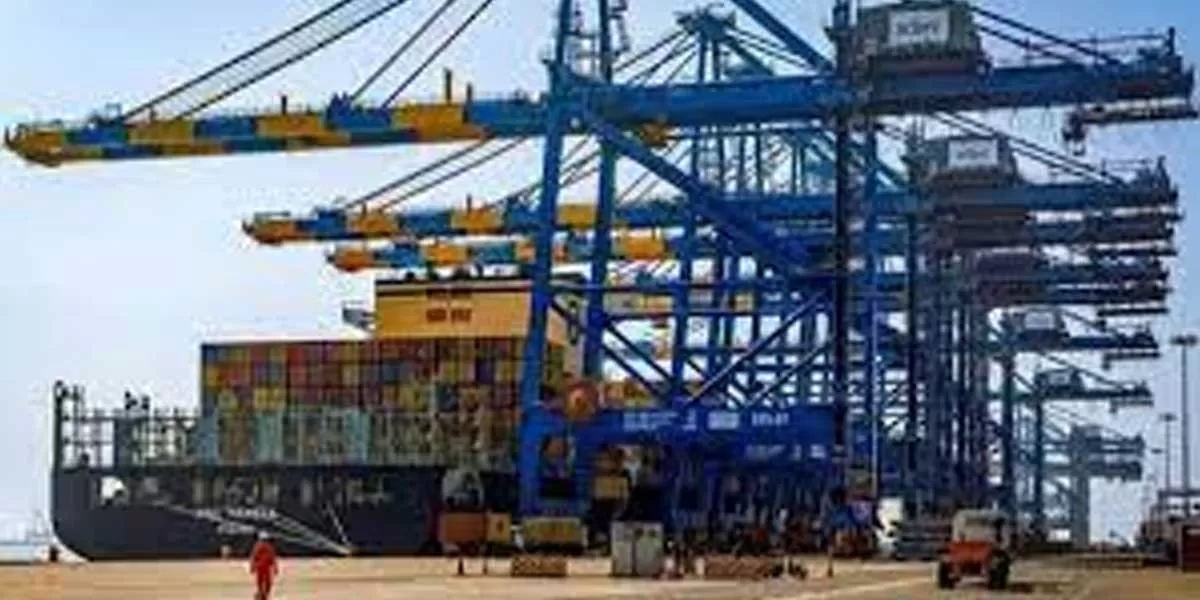
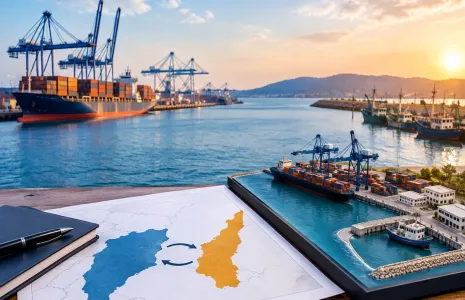
In a significant move to bolster maritime infrastructure and promote tourism, the government has allocated a substantial budget for the development of ports, including those in the scenic archipelago of Lakshadweep. The allocation aims to enhance connectivity, boost economic activities, and unlock the tourism potential of these regions.

The financial commitment underscores the government's commitment to strengthening coastal infrastructure, a key driver for economic growth and tourism. The funds are expected to facilitate the creation of modern facilities, improve port efficiency, and attract more visitors to the picturesque Lakshadweep islands.

This initiative aligns with the government's broader strategy to enhance maritime trade and connectivity. The move is anticipated to generate employment opportunities, stimulate local economies, and position Lakshadweep as a sought-after tourist destination.

Key stakeholders, including the Ministry of Shipping and Tourism, are optimistic about the positive impact of this budget allocation. As the government sets sail on this ambitious plan, eyes are on the transformative changes it will bring to the coastal regions and their contribution to India's economic and tourism landscape.

In a significant move to bolster maritime infrastructure and promote tourism, the government has allocated a substantial budget for the development of ports, including those in the scenic archipelago of Lakshadweep. The allocation aims to enhance connectivity, boost economic activities, and unlock the tourism potential of these regions. The financial commitment underscores the government's commitment to strengthening coastal infrastructure, a key driver for economic growth and tourism. The funds are expected to facilitate the creation of modern facilities, improve port efficiency, and attract more visitors to the picturesque Lakshadweep islands. This initiative aligns with the government's broader strategy to enhance maritime trade and connectivity. The move is anticipated to generate employment opportunities, stimulate local economies, and position Lakshadweep as a sought-after tourist destination. Key stakeholders, including the Ministry of Shipping and Tourism, are optimistic about the positive impact of this budget allocation. As the government sets sail on this ambitious plan, eyes are on the transformative changes it will bring to the coastal regions and their contribution to India's economic and tourism landscape.

Next Story
Infrastructure Urban

Centre Clears Power Distribution Upgrade for Uttar Pradesh

The Central Government has approved power distribution projects worth Rs 407.39 billion for Uttar Pradesh under the Revamped Distribution Sector Scheme (RDSS). The investment will be used to modernise the state's electricity distribution infrastructure and strengthen network capacity across urban and rural areas. The package targets one of the country's largest distribution networks as the state experiences rapid urbanisation and rising electricity consumption. Planned interventions include the strengthening of distribution lines, modernisation of substations, replacement of ageing electrical ..

Next Story
Infrastructure Energy

India Data Centres To Consume 191 TWh By 2040 Driving Renewables

A Wood Mackenzie report says India's operational data centre capacity is projected to increase more than fivefold to 12 gigawatt (GW) by 2030 from 2.2 GW in 2025 as artificial intelligence (AI) and cloud computing drive demand. It projects electricity consumption to rise from 10 terawatt-hour (TWh) in 2025 to 191 TWh by 2040. The study forecasts a compound annual growth rate of around 40 per cent and notes AI-dedicated capacity will surge nearly 24-fold from 275 megawatt (MW) in 2025 to 6,546 MW by 2030. The report places India's digital economy at Rs 32 trillion (tn) in 2025 and says it contr..

Next Story
Infrastructure Transport

Hydrogen Train Completes 1,200 Kilometres Of Trials

India's first hydrogen train was flagged off between Jind and Sonipat on July 17 and has travelled over 1,200 kilometres in trials, saving diesel consumption of more than 3,200 litres, a Railway Ministry press release said. The deployment marks the introduction of a zero-emission fuel cell train into route testing and represents a milestone in domestic rail innovation. The train generates electricity onboard through a chemical reaction between hydrogen and oxygen, producing electricity to propel the vehicle while emitting only water vapour as a by-product. There is no smoke and no tailpipe car..

Advertisement

Subscribe to Our Newsletter

Get daily newsletters around different themes from Construction world.

STAY CONNECTED

Advertisement

Advertisement

Advertisement