Deltabulk Shipping secures Nagpur MMLP contract with bid of Rs 3.6 bn
PORTS & SHIPPING

Deltabulk Shipping secures Nagpur MMLP contract with bid of Rs 3.6 bn

Deltabulk Shipping India, the Indian branch of London-based Delta Corp Holdings, secured the contract to develop a multimodal logistics park (MMLP) in Nagpur by offering the highest minimum guaranteed revenue of Rs3.6589 billion for the 45-year term, according to multiple sources.

Additionally, Deltabulk Shipping has committed to sharing an extra 10% of its quarterly revenue with the National Highways Logistics Management (NHLM) if it surpasses the estimated business outlined in the bid. The company anticipates total revenue of Rs 335.97 billion over the 45-year concession period.

MMLP bids are determined based on the minimum guaranteed revenue share, calculated using the net present value discounted at a specified rate quoted by the bidders. J M Baxi Ports & Logistics Ltd, the sole other bidder, proposed a minimum guaranteed revenue of Rs 1694.4 million.

Prakash Gaur, CEO of NHLM, confirmed the awarding of the bid to Deltabulk Shipping. NHLM is a subsidiary of the National Highways Authority of India (NHAI), the country's highway development agency.

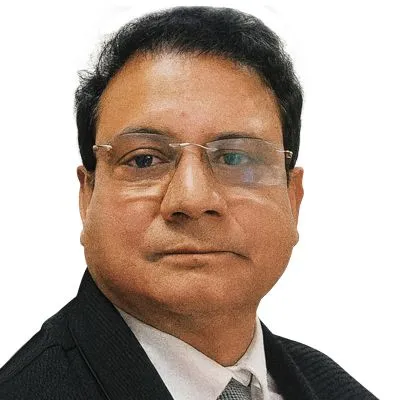
Deltabulk Shipping, a third-party logistics company led by Indian-born Mudit Paliwal, is set to invest around Rs 3.6 billion to develop the 150-acre MMLP.

This marks the fifth MMLP project awarded by NHLM, following developments in Chennai, Bengaluru, Indore, and Jogighopa (Guwahati).

Under the PM Gati Shakti National Master Plan (NMP), the Ministry of Road Transport and Highways aims to establish 35 multimodal logistics parks across India, with 15 of them planned within the next three years.

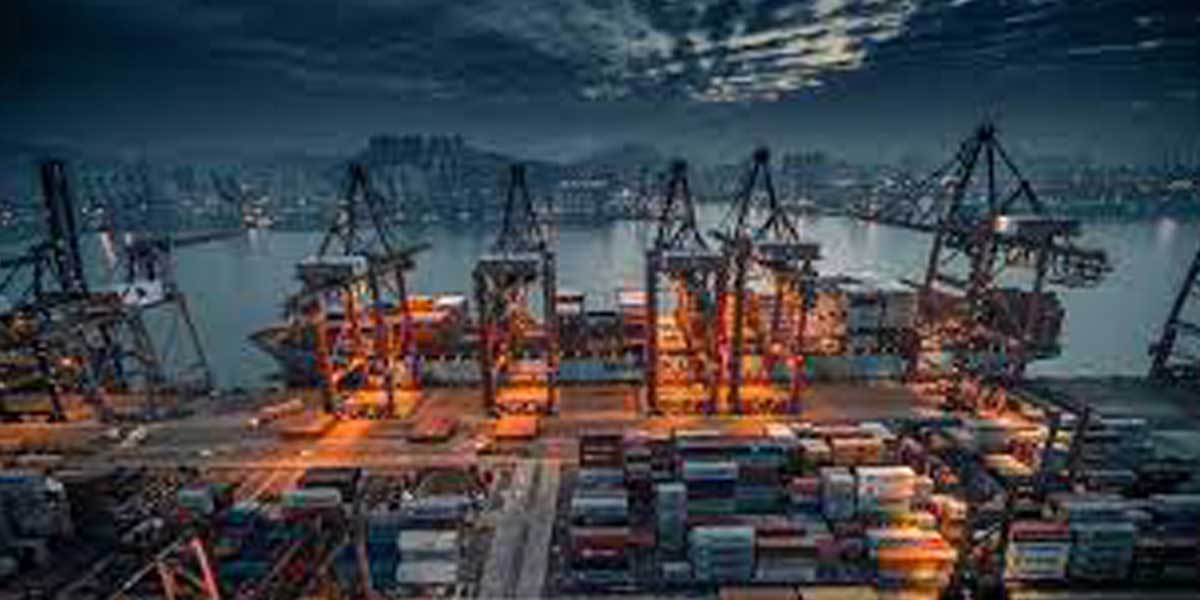
A multimodal logistics park serves as a central hub for cargo consolidation and distribution, utilising various modes of transport to optimise shipments and offer diverse logistics and value-added services.

Typically equipped with intermodal connectivity, such as dedicated railway lines, access to highways, and links to airports, seaports, or inland waterway terminals, MMLPs enhance efficiency in freight handling. These facilities include warehouses, specialised cold chain facilities, and terminals for bulk and break-bulk cargo.

Value-added services provided by MMLPs encompass customs clearance, late-stage processing activities like sorting and grading, and cold storage, offering users flexibility at a centralised location.

Deltabulk Shipping India, the Indian branch of London-based Delta Corp Holdings, secured the contract to develop a multimodal logistics park (MMLP) in Nagpur by offering the highest minimum guaranteed revenue of Rs3.6589 billion for the 45-year term, according to multiple sources. Additionally, Deltabulk Shipping has committed to sharing an extra 10% of its quarterly revenue with the National Highways Logistics Management (NHLM) if it surpasses the estimated business outlined in the bid. The company anticipates total revenue of Rs 335.97 billion over the 45-year concession period. MMLP bids are determined based on the minimum guaranteed revenue share, calculated using the net present value discounted at a specified rate quoted by the bidders. J M Baxi Ports & Logistics Ltd, the sole other bidder, proposed a minimum guaranteed revenue of Rs 1694.4 million. Prakash Gaur, CEO of NHLM, confirmed the awarding of the bid to Deltabulk Shipping. NHLM is a subsidiary of the National Highways Authority of India (NHAI), the country's highway development agency. Deltabulk Shipping, a third-party logistics company led by Indian-born Mudit Paliwal, is set to invest around Rs 3.6 billion to develop the 150-acre MMLP. This marks the fifth MMLP project awarded by NHLM, following developments in Chennai, Bengaluru, Indore, and Jogighopa (Guwahati). Under the PM Gati Shakti National Master Plan (NMP), the Ministry of Road Transport and Highways aims to establish 35 multimodal logistics parks across India, with 15 of them planned within the next three years. A multimodal logistics park serves as a central hub for cargo consolidation and distribution, utilising various modes of transport to optimise shipments and offer diverse logistics and value-added services. Typically equipped with intermodal connectivity, such as dedicated railway lines, access to highways, and links to airports, seaports, or inland waterway terminals, MMLPs enhance efficiency in freight handling. These facilities include warehouses, specialised cold chain facilities, and terminals for bulk and break-bulk cargo. Value-added services provided by MMLPs encompass customs clearance, late-stage processing activities like sorting and grading, and cold storage, offering users flexibility at a centralised location.

Next Story
Infrastructure Urban

Implementation Status of Jal Jeevan Mission

Since August 2019 the Government has implemented Jal Jeevan Mission to provide assured potable water through household tap connections in rural India. At the start of the mission only 32.3 million (mn) rural households, representing 16.7 per cent, were reported to have tap water connections. States and union territories have reported that 125.8 mn additional rural households have since been provided with tap connections. As a result, of about 193.6 mn rural households roughly 158.2 mn, or 81.71 per cent, are reported to have tap water supply at home.\n\nThe State, district and village level st..

Next Story
Infrastructure Urban

Jal Jeevan Mission Reaches Eighty One Per Cent Rural Coverage

The Government reported substantial progress under the Jal Jeevan Mission, launched in August 2019 to provide tap water to every rural household. At launch only 32.3 million (mn) rural households had tap connections and states and Union territories reported provision of 125.8 mn additional households by March 2026. Consequently, out of about 193.6 mn rural households around 158.2 mn, or 81.71 per cent, are reported to have tap water at home. The Finance Minister announced extension of the mission until 2028 in the 2025-26 budget speech. The Swachh Bharat Mission Grameen, launched in October 20..

Next Story
Infrastructure Urban

Empowering Local Governance for Sustainable Rural Water Supply

The Ministry of Jal Shakti has aligned the Jal Jeevan Mission (JJM) with the 73rd Amendment to strengthen village level planning and community ownership of water supply. Gram Panchayats, village water and sanitation committees and Pani Samitis are to plan, implement, manage and maintain piped water systems, with gram sabha processes formalising handover and oversight. Implementation support agencies including non government organisations, community based organisations and self help groups have been empanelled to train local committees and promote women participation. Under JJM, the department ..

Advertisement

Subscribe to Our Newsletter

Get daily newsletters around different themes from Construction world.

STAY CONNECTED

Advertisement

Advertisement

Advertisement