Govt Mulls Dedicated Satellite for India’s Maritime Sector
PORTS & SHIPPING

Govt Mulls Dedicated Satellite for India’s Maritime Sector

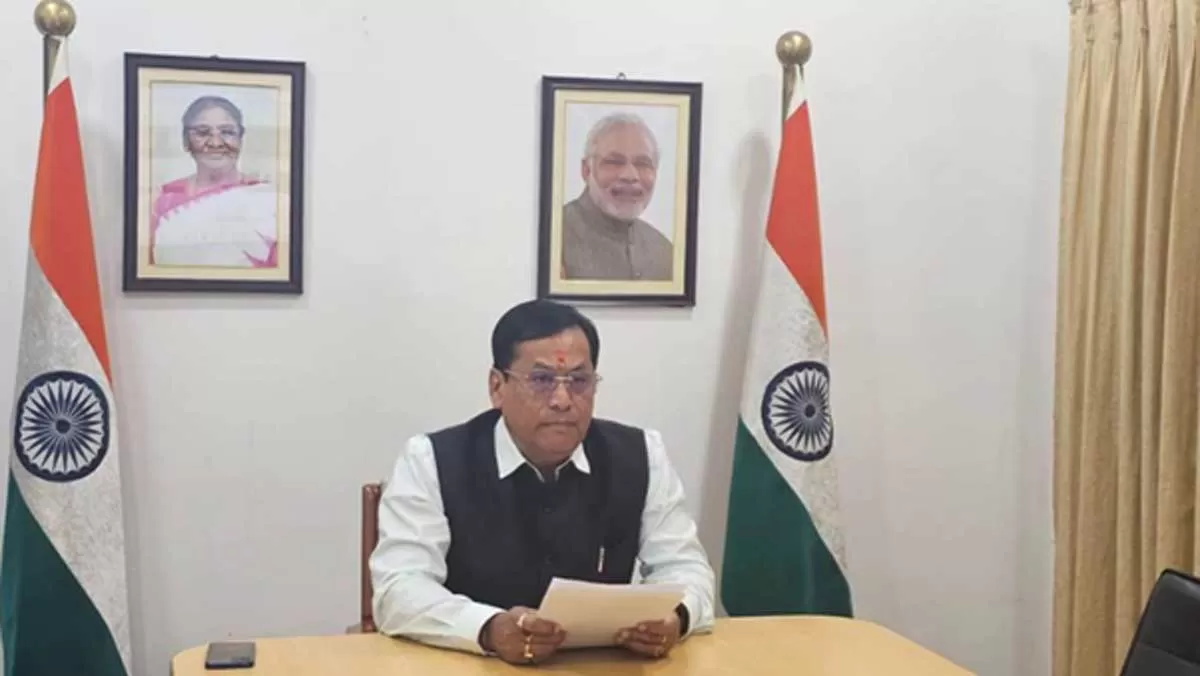
The Union Minister of Ports, Shipping and Waterways, Sarbananda Sonowal, has announced that the Ministry will explore the launch of a dedicated satellite or the acquisition of a transponder to enhance India’s maritime governance and port management systems.

Speaking on the occasion of National Space Day, Sonowal said: “Our Ministry should plan to launch a satellite of our own or acquire a dedicated transponder for the Indian maritime sector. This will strengthen India’s coastal and port management infrastructure through advanced space-based solutions.”

The proposed system would provide exclusive coverage of India’s coastal waters, inland waterways, and port regions, while integrating with national maritime databases. It would enable real-time vessel traffic monitoring, enhance navigational safety, and streamline port operations.

Sonowal emphasised that the initiative would deliver multiple benefits, including real-time ship tracking across India’s coastline and Exclusive Economic Zone, early identification of congestion, improved disaster preparedness, search-and-rescue capabilities, and pollution control. The system would also reduce reliance on foreign navigation networks and support the Atmanirbhar Bharat vision.

Highlighting India’s achievements in space research, the Minister said the country has emerged as a global leader in science and technology with one of the most respected and efficient space programmes in the world. He recalled key milestones including the launch of Aditya-L1 in 2023, Group Captain Shubhanshu Shukla’s mission to the International Space Station, and the upcoming Gaganyaan mission.

“India has made remarkable progress in unlocking new opportunities through space. Under the visionary leadership of Prime Minister Narendra Modi, our space programme has become a symbol of national pride,” Sonowal noted.

Extending his greetings on National Space Day, he urged the youth of India “to reach out not just to the sky, but to space,” reflecting the government’s vision of harnessing science and technology for the nation’s progress.


The Union Minister of Ports, Shipping and Waterways, Sarbananda Sonowal, has announced that the Ministry will explore the launch of a dedicated satellite or the acquisition of a transponder to enhance India’s maritime governance and port management systems.Speaking on the occasion of National Space Day, Sonowal said: “Our Ministry should plan to launch a satellite of our own or acquire a dedicated transponder for the Indian maritime sector. This will strengthen India’s coastal and port management infrastructure through advanced space-based solutions.”The proposed system would provide exclusive coverage of India’s coastal waters, inland waterways, and port regions, while integrating with national maritime databases. It would enable real-time vessel traffic monitoring, enhance navigational safety, and streamline port operations.Sonowal emphasised that the initiative would deliver multiple benefits, including real-time ship tracking across India’s coastline and Exclusive Economic Zone, early identification of congestion, improved disaster preparedness, search-and-rescue capabilities, and pollution control. The system would also reduce reliance on foreign navigation networks and support the Atmanirbhar Bharat vision.Highlighting India’s achievements in space research, the Minister said the country has emerged as a global leader in science and technology with one of the most respected and efficient space programmes in the world. He recalled key milestones including the launch of Aditya-L1 in 2023, Group Captain Shubhanshu Shukla’s mission to the International Space Station, and the upcoming Gaganyaan mission.“India has made remarkable progress in unlocking new opportunities through space. Under the visionary leadership of Prime Minister Narendra Modi, our space programme has become a symbol of national pride,” Sonowal noted.Extending his greetings on National Space Day, he urged the youth of India “to reach out not just to the sky, but to space,” reflecting the government’s vision of harnessing science and technology for the nation’s progress.

Next Story
Infrastructure Transport

Dhalbhumgarh Airport Faces 150-km Rule Hurdle

The issue has resurfaced following a recent statement by Union Civil Aviation Minister Ram Mohan Naidu, who said that under existing aviation policy, a new greenfield airport is generally not permitted within an aerial distance of 150 kilometres of an operational civilian airport. He added, however, that if a formal proposal is submitted, its impact on the existing airport can be examined and relaxations may be considered on a case-by-case basis. While the clarification has revived some hope for Dhalbhumgarh, it has also underlined the scale of the technical challenge facing the project. Unde..

Next Story
Infrastructure Transport

Stakeholders Seek Parallel Ops For Vizag Airports

With road and metro rail links to Bhogapuram still several years away, stakeholders in north Andhra Pradesh have renewed demands to continue civil operations at INS Dega even after the commissioning of Bhogapuram International Airport. The new airport is expected to begin commercial operations from June. Officials said close to 80 per cent of the airport infrastructure at Bhogapuram, including the terminal building and internal approach roads, has already been completed. However, inadequate external connectivity remains a key concern. Making a case for parallel operations, Andhra Pradesh Air ..

Next Story
Infrastructure Transport

Govt To Roll Out V2V Tech To Cut Road Crashes

In an effort to curb road accidents, particularly in low-visibility conditions such as dense fog, the government is set to roll out vehicle-to-vehicle (V2V) communication technology that will allow cars to exchange real-time data and alert drivers to potential dangers. The announcement was made by Union Road Transport and Highways Minister Nitin Gadkari after the 43rd meeting of the Transport Development Council. The technology involves installing an on-board unit (OBU) in vehicles, enabling wireless data exchange between nearby cars. This will allow vehicles to share information such as spee..

Advertisement

Subscribe to Our Newsletter

Get daily newsletters around different themes from Construction world.

STAY CONNECTED

Advertisement

Advertisement

Advertisement

Advertisement

Open In App