India, Japan Boost Maritime Ties With Green, Smart Initiatives
PORTS & SHIPPING

India, Japan Boost Maritime Ties With Green, Smart Initiatives

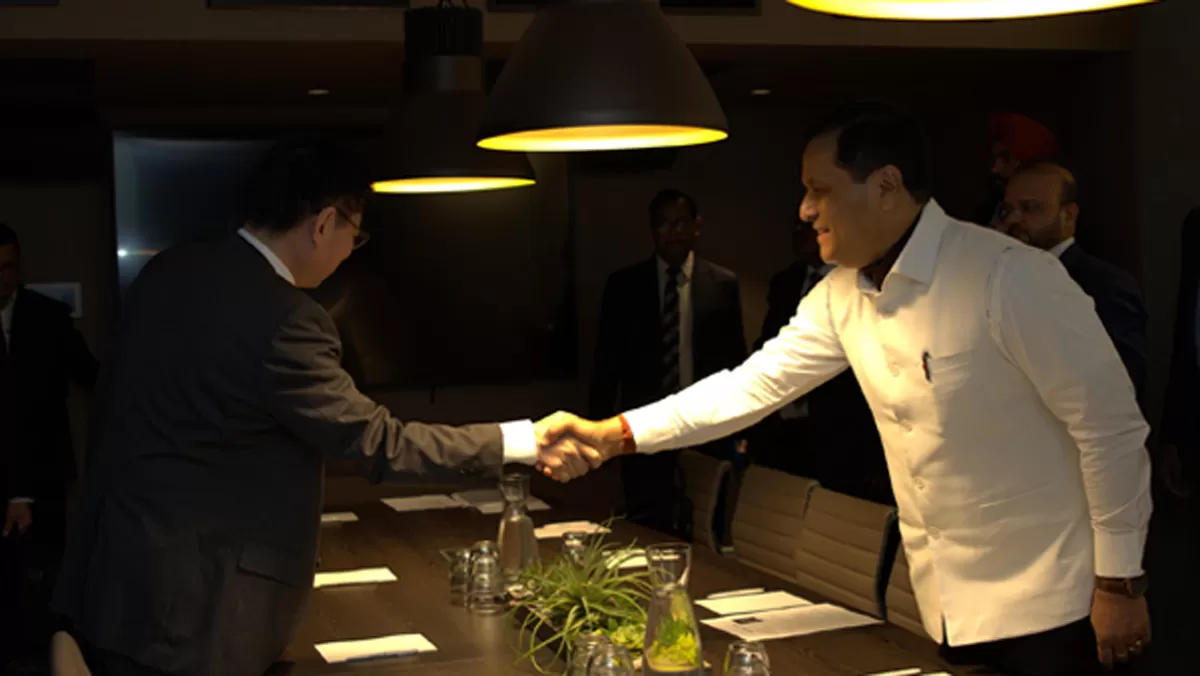
In a bid to strengthen bilateral maritime cooperation, India’s Union Minister of Ports, Shipping & Waterways, Shri Sarbananda Sonowal, met Japan’s Vice Minister for International Affairs, Terada Yoshimichi, of the Ministry of Land, Infrastructure, Transport & Tourism (MLIT) in Oslo. The two sides discussed shipbuilding investments, port digitisation, green port projects, and human capital development.

Key discussions included sustainable maritime technologies, disaster-resilient infrastructure, and the development of India’s island territories like Andaman & Nicobar and Lakshadweep into smart islands. Minister Sonowal highlighted opportunities in renewable energy, digital infrastructure, and smart mobility solutions, citing Japan’s experience in island development.

India invited leading Japanese shipbuilders such as Imabari Shipbuilding, JMUC, Kanagawa Dockyard, and Mitsubishi Heavy Industries to explore joint ventures with Indian yards. Greenfield investment prospects, including Imabari’s proposal in Andhra Pradesh, were discussed, alongside co-development of maritime industrial clusters.

Minister Sonowal urged Japan’s major shipping companies—NYK Line, MOL, and K Line—to invest in India’s growing maritime ecosystem. He stressed port digitisation and green port efforts under India’s Maritime India Vision 2030 and Maritime Amrit Kaal Vision 2047.

Acknowledging long-standing India–Japan ties, Sonowal underlined collaboration within the Quad framework and the Supply Chain Resilience Initiative (SCRI), applauding Japan’s support for global sustainability forums like the International Solar Alliance and Coalition for Disaster Resilient Infrastructure.

Vice Minister Yoshimichi expressed Japan’s keen interest in maritime cooperation with India, noting past engagement in railway infrastructure and current plans to collaborate on shipbuilding and seafarer training.

India proposed a memorandum of understanding (MoU) to foster collaboration between Cochin Shipyard Limited, Indian universities, and public agencies. The minister also emphasised the role of Indian seafarers, stating India’s existing base of over 154,000 trained seafarers could supplement Japan’s maritime workforce.

India’s National Maritime Heritage Complex (NMHC) at Lothal was also discussed, with India seeking Japan’s partnership for the project. The NMHC is envisioned as a world-class centre for maritime heritage, tourism, and education.

Minister Sonowal extended an invitation to Japan to participate in India Maritime Week 2025, scheduled in Mumbai from 27th to 31st October, aiming to attract global stakeholders and investors to the maritime sector.

Concluding the session, Minister Sonowal reaffirmed India's goal to secure investments worth five trillion yen (around Rs 3.2 trillion) from Japan by 2027 and to advance joint efforts for a sustainable, innovation-driven maritime future.


In a bid to strengthen bilateral maritime cooperation, India’s Union Minister of Ports, Shipping & Waterways, Shri Sarbananda Sonowal, met Japan’s Vice Minister for International Affairs, Terada Yoshimichi, of the Ministry of Land, Infrastructure, Transport & Tourism (MLIT) in Oslo. The two sides discussed shipbuilding investments, port digitisation, green port projects, and human capital development.Key discussions included sustainable maritime technologies, disaster-resilient infrastructure, and the development of India’s island territories like Andaman & Nicobar and Lakshadweep into smart islands. Minister Sonowal highlighted opportunities in renewable energy, digital infrastructure, and smart mobility solutions, citing Japan’s experience in island development.India invited leading Japanese shipbuilders such as Imabari Shipbuilding, JMUC, Kanagawa Dockyard, and Mitsubishi Heavy Industries to explore joint ventures with Indian yards. Greenfield investment prospects, including Imabari’s proposal in Andhra Pradesh, were discussed, alongside co-development of maritime industrial clusters.Minister Sonowal urged Japan’s major shipping companies—NYK Line, MOL, and K Line—to invest in India’s growing maritime ecosystem. He stressed port digitisation and green port efforts under India’s Maritime India Vision 2030 and Maritime Amrit Kaal Vision 2047.Acknowledging long-standing India–Japan ties, Sonowal underlined collaboration within the Quad framework and the Supply Chain Resilience Initiative (SCRI), applauding Japan’s support for global sustainability forums like the International Solar Alliance and Coalition for Disaster Resilient Infrastructure.Vice Minister Yoshimichi expressed Japan’s keen interest in maritime cooperation with India, noting past engagement in railway infrastructure and current plans to collaborate on shipbuilding and seafarer training.India proposed a memorandum of understanding (MoU) to foster collaboration between Cochin Shipyard Limited, Indian universities, and public agencies. The minister also emphasised the role of Indian seafarers, stating India’s existing base of over 154,000 trained seafarers could supplement Japan’s maritime workforce.India’s National Maritime Heritage Complex (NMHC) at Lothal was also discussed, with India seeking Japan’s partnership for the project. The NMHC is envisioned as a world-class centre for maritime heritage, tourism, and education.Minister Sonowal extended an invitation to Japan to participate in India Maritime Week 2025, scheduled in Mumbai from 27th to 31st October, aiming to attract global stakeholders and investors to the maritime sector.Concluding the session, Minister Sonowal reaffirmed India's goal to secure investments worth five trillion yen (around Rs 3.2 trillion) from Japan by 2027 and to advance joint efforts for a sustainable, innovation-driven maritime future.

Next Story
Infrastructure Urban

India Expands Semiconductor Training To 500 Institutions

Under the Chips to Startups programme of the India Semiconductor Mission, the Union minister responsible for Railways, Information and Broadcasting, and Electronics and IT reported notable progress in talent development. He indicated that over the past four years substantial steps have been taken towards a 10-year target of training 85,000 engineers in semiconductor design. World-class EDA tools have been deployed in 315 academic institutions across the country to provide students with practical exposure to chip design. These EDA tools are supported by leading global firms and are accessible t..

Next Story
Infrastructure Urban

Delhi Institutions Support India Semiconductor Mission

The Government of India has prioritised talent development through training, upskilling and workforce development under the Chips to Startups initiative of the India Semiconductor Mission, with officials noting progress in four years towards a 10-year target of training 85,000 engineers in semiconductor design. Electronic design automation tools provided by Synopsys, Cadence, Siemens, Renesas, Ansys and AMD have been deployed in 315 academic institutions, enabling students to gain practical chip design experience. Chips have been fabricated and tested at the Semiconductor Laboratory, Mohali, a..

Next Story
Infrastructure Urban

NHA Announces Winners Of NHCX Hackathon At IIT Hyderabad

The National Health Authority (NHA) has concluded the NHCX Hackathon under the Ayushman Bharat Digital Mission (ABDM) to stimulate innovation around the National Health Claims Exchange (NHCX). The winning teams presented their solutions at the NHCX Innovation Meet held at IIT Hyderabad during a two-day event in March 2026 that also served as the hackathon grand finale. The hackathon itself ran from 22 to 28 February 2026 and aimed to accelerate paperless, transparent claims processing across India. The event was organised with a range of ecosystem partners, including the Insurance Regulatory a..

Advertisement

Subscribe to Our Newsletter

Get daily newsletters around different themes from Construction world.

STAY CONNECTED

Advertisement

Advertisement

Advertisement