India Cuts Ship Turnaround Time at Ports by Nearly 49%
PORTS & SHIPPING

India Cuts Ship Turnaround Time at Ports by Nearly 49%

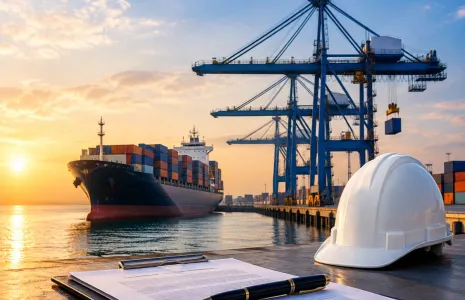
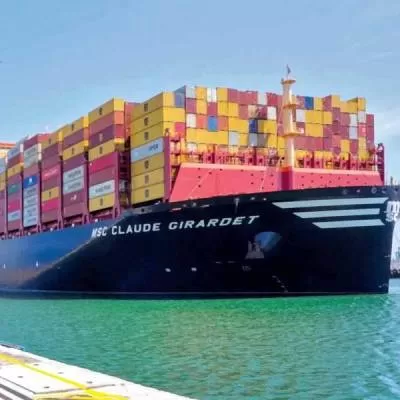
India's major ports have significantly reduced ship turnaround time, achieving a 48.65% decline from 93.59 hours in 2013-14 to 48.06 hours in 2023-24, Union Minister of Ports, Shipping & Waterways Sarbananda Sonowal informed the Rajya Sabha on Tuesday.

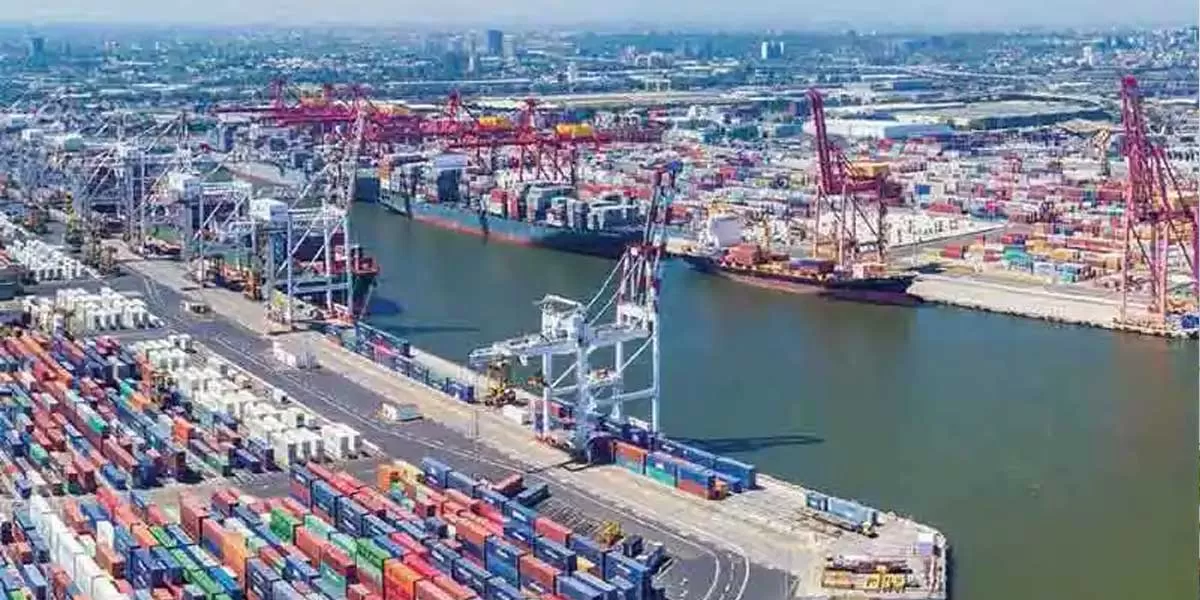
This improvement highlights enhanced efficiency in handling ships and cargo, contributing to faster clearance processes and lower logistics costs. Sonowal attributed this achievement to several government initiatives, including constructing new berths and terminals, modernising existing facilities, streamlining operations through digitalisation, and improving hinterland connectivity via rail and road.

Notable reductions in average turnaround times were reported at major ports: Jawaharlal Nehru Port (26 hours), Chennai (44.92 hours), Deendayal Port, Kandla (54.24 hours), Paradip (41.61 hours), Cochin (33.4 hours), New Mangalore (40.44 hours), Visakhapatnam (65.86 hours), Mumbai (62.97 hours), Kamarajar Port, Tamil Nadu (44.37 hours), and Syama Prasad Mookerjee Port, Kolkata (60.85 hours).

Sonowal also emphasised the continuous development and capacity augmentation of major ports, which includes constructing new berths and terminals, mechanising existing facilities, deepening drafts through capital dredging to accommodate larger vessels, and enhancing connectivity.

The minister credited the ambitious Sagarmala programme, spearheaded by Prime Minister Narendra Modi, for modernising India's ports and improving their efficiency. He hailed it as a key driver behind this achievement, which aligns with the government's focus on operational efficiency and technological advancement. Reflecting this progress, nine Indian ports were ranked among the Global Top 100 in the latest Container Port Performance Index (CPPI) 2023, a report by the World Bank and S&P Global Market Intelligence.

“This accomplishment underscores the Narendra Modi Government's commitment to modernising and mechanising ports, improving their performance, and enhancing service delivery for efficient ship and cargo handling,” Sonowal stated.

(ET)

India's major ports have significantly reduced ship turnaround time, achieving a 48.65% decline from 93.59 hours in 2013-14 to 48.06 hours in 2023-24, Union Minister of Ports, Shipping & Waterways Sarbananda Sonowal informed the Rajya Sabha on Tuesday. This improvement highlights enhanced efficiency in handling ships and cargo, contributing to faster clearance processes and lower logistics costs. Sonowal attributed this achievement to several government initiatives, including constructing new berths and terminals, modernising existing facilities, streamlining operations through digitalisation, and improving hinterland connectivity via rail and road. Notable reductions in average turnaround times were reported at major ports: Jawaharlal Nehru Port (26 hours), Chennai (44.92 hours), Deendayal Port, Kandla (54.24 hours), Paradip (41.61 hours), Cochin (33.4 hours), New Mangalore (40.44 hours), Visakhapatnam (65.86 hours), Mumbai (62.97 hours), Kamarajar Port, Tamil Nadu (44.37 hours), and Syama Prasad Mookerjee Port, Kolkata (60.85 hours). Sonowal also emphasised the continuous development and capacity augmentation of major ports, which includes constructing new berths and terminals, mechanising existing facilities, deepening drafts through capital dredging to accommodate larger vessels, and enhancing connectivity. The minister credited the ambitious Sagarmala programme, spearheaded by Prime Minister Narendra Modi, for modernising India's ports and improving their efficiency. He hailed it as a key driver behind this achievement, which aligns with the government's focus on operational efficiency and technological advancement. Reflecting this progress, nine Indian ports were ranked among the Global Top 100 in the latest Container Port Performance Index (CPPI) 2023, a report by the World Bank and S&P Global Market Intelligence. “This accomplishment underscores the Narendra Modi Government's commitment to modernising and mechanising ports, improving their performance, and enhancing service delivery for efficient ship and cargo handling,” Sonowal stated. (ET)

Next Story
Infrastructure Urban

Mount Expands Tumkur Facility with New Automated Panel, PEB Lines

Mount Roofing & Structures Private Limited, one of India's fastest-growing manufacturers in PUF and a leading solutions provider across pre-engineered building (PEB) and polycarbonate sheets, simultaneously inaugurated its second fully automated continuous sandwich panel manufacturing line and a new PEB manufacturing plant at its integrated campus in Tumkur.The milestone expansion, part of a total investment of Rs 250 crore, marks a significant advancement in the company's commitment to engineered performance, manufacturing scale, and industrial growth. The integrated facility spans approx..

Next Story
Infrastructure Transport

India Becomes First to Produce Bio-Bitumen for Roads

India has become the first country in the world to commercially produce bio-bitumen for use in road construction, according to Road, Transport and Highways Minister Nitin Gadkari. Bitumen, a black and viscous hydrocarbon derived from crude oil, is a key binding material in road building, and the bio-based alternative is expected to significantly improve the sector’s environmental footprint.Addressing the CSIR Technology Transfer Ceremony in New Delhi, Mr Gadkari congratulated Council of Scientific and Industrial Research on achieving the milestone, noting that the initiative would help curb ..

Next Story
Infrastructure Urban

HILT Policy Seen Boosting Telangana Revenue Sharply

The Hyderabad Industrial Land Transformation (HILT) Policy is expected to generate around Rs 1.08 billion in revenue for the Telangana state exchequer, according to Deputy Chief Minister Bhatti Vikramarka Mallu. Speaking in the Telangana Legislative Assembly, he said the policy would be implemented within a six-month timeframe in a transparent manner, with uniform rules applicable to all stakeholders. Mr Vikramarka noted that without the HILT Policy, the state would have earned only about Rs 1.2 million per acre. Under the new framework, however, revenue is projected to rise sharply to Rs 70 ..

Advertisement

Subscribe to Our Newsletter

Get daily newsletters around different themes from Construction world.

STAY CONNECTED

Advertisement

Advertisement

Advertisement

Advertisement

Open In App