India's Ports Plan Rs 10 Billion High-Speed Freight Systems
PORTS & SHIPPING

India's Ports Plan Rs 10 Billion High-Speed Freight Systems

India’s major ports are accelerating cargo movement through advanced high-speed transport systems aimed at reducing turnaround times and lowering carbon emissions. Two key initiatives are underway at the Deendayal Port Authority (DPA) in Kandla, Gujarat, and the Jawaharlal Nehru Port Authority (JNPA) in Maharashtra.
At DPA, an 18-kilometre-long magnetic rail system is being planned to drastically reduce the time taken to transport freight within the port premises. The project is being developed in collaboration with global logistics major DP World and Polish firm Nevomo, known for its expertise in magnetic levitation rail technologies. The port is expected to invest approximately Rs 850 million in a demonstration project to trial the system.
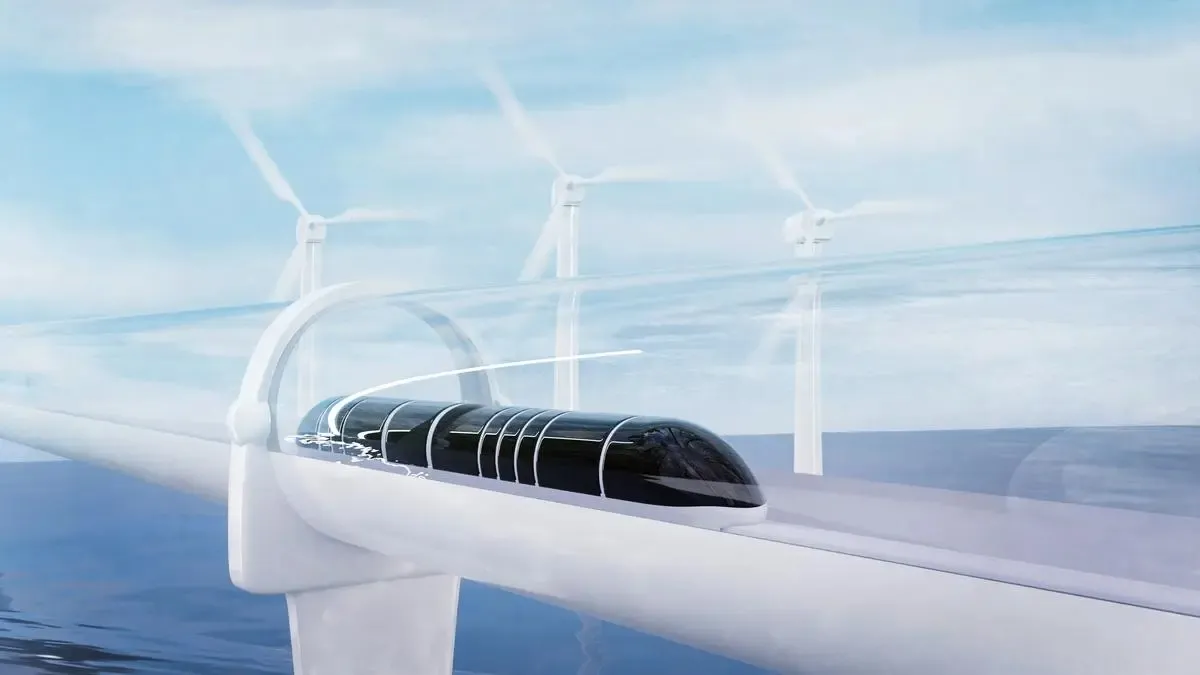
Around 800 kilometres away, JNPA is exploring a hyperloop-based solution using linear induction motor technology. The proposed 20-kilometre hyperloop corridor will link the under-construction Vadhvan Port in Palghar district with the Western Dedicated Freight Corridor (WDFC), enabling high-speed cargo evacuation from the port to the hinterland.
JNPA has partnered with Chennai-based start-up TuTr Hyperloop Pvt Ltd to develop this pioneering project, which could mark one of India’s first serious ventures into hyperloop-enabled freight logistics.
These next-generation transport systems are part of a broader push to modernise India's port infrastructure, improve operational efficiency, and align with national goals for green logistics and sustainable development. By slashing internal cargo movement times and minimising reliance on diesel-powered vehicles, both DPA and JNPA aim to significantly reduce emissions while bolstering port competitiveness.
The developments also signal a shift toward automation and cutting-edge technologies in India’s maritime sector, as ports prepare to handle growing cargo volumes and meet global environmental standards. 

India’s major ports are accelerating cargo movement through advanced high-speed transport systems aimed at reducing turnaround times and lowering carbon emissions. Two key initiatives are underway at the Deendayal Port Authority (DPA) in Kandla, Gujarat, and the Jawaharlal Nehru Port Authority (JNPA) in Maharashtra.At DPA, an 18-kilometre-long magnetic rail system is being planned to drastically reduce the time taken to transport freight within the port premises. The project is being developed in collaboration with global logistics major DP World and Polish firm Nevomo, known for its expertise in magnetic levitation rail technologies. The port is expected to invest approximately Rs 850 million in a demonstration project to trial the system.Around 800 kilometres away, JNPA is exploring a hyperloop-based solution using linear induction motor technology. The proposed 20-kilometre hyperloop corridor will link the under-construction Vadhvan Port in Palghar district with the Western Dedicated Freight Corridor (WDFC), enabling high-speed cargo evacuation from the port to the hinterland.JNPA has partnered with Chennai-based start-up TuTr Hyperloop Pvt Ltd to develop this pioneering project, which could mark one of India’s first serious ventures into hyperloop-enabled freight logistics.These next-generation transport systems are part of a broader push to modernise India's port infrastructure, improve operational efficiency, and align with national goals for green logistics and sustainable development. By slashing internal cargo movement times and minimising reliance on diesel-powered vehicles, both DPA and JNPA aim to significantly reduce emissions while bolstering port competitiveness.The developments also signal a shift toward automation and cutting-edge technologies in India’s maritime sector, as ports prepare to handle growing cargo volumes and meet global environmental standards. 

Next Story
Infrastructure Energy

Vedanta Aluminium Uses 1.57 bn Units of Green Energy in FY25

Vedanta Aluminium, India’s largest aluminium producer, recently reported consumption of 1.57 billion units of renewable energy in FY25, marking a significant milestone in its 2030 decarbonisation roadmap. The company also achieved an 8.96 per cent reduction in greenhouse gas (GHG) emissions intensity compared to FY21, reinforcing its leadership in India’s low-carbon manufacturing transition. During FY25, Vedanta Aluminium expanded its renewable energy portfolio through long-term power purchase agreements, strengthening its strategy to source nearly 1,500 MW of renewable power over the lon..

Next Story
Real Estate

Oberoi Group to Develop Luxury Resort at Makaibari Tea Estate

EIH Limited, the flagship company of The Oberoi Group, has announced the signing of a management agreement to develop an Oberoi luxury resort at the iconic Makaibari Tea Estate in Darjeeling. The project marks a key milestone in the Group’s long-term strategy of creating distinctive hospitality experiences in rare and environmentally significant locations. Established in 1859, Makaibari is one of the world’s oldest tea estates and is globally recognised for its Himalayan landscape, primary forests and exceptional biodiversity. Spread across 1,236 acres, the estate houses one of the world..

Next Story
Real Estate

GHV Infra Secures Rs 1.09 Bn EPC Order in Jamshedpur

GHV Infra Projects Ltd, a fast-growing EPC company in India’s infrastructure and construction sector, has recently secured a Rs 1.09 billion work order in Jamshedpur, Jharkhand. Awarded by a reputed group entity, the contract covers end-to-end civil construction, mechanical, electrical and plumbing (MEP) systems, along with high-quality finishing works for a large building development. The project will be executed over a 30-month period, with defined benchmarks for quality, safety and timely delivery. The order strengthens GHV Infra’s footprint in Jamshedpur, a key industrial hub known fo..

Advertisement

Subscribe to Our Newsletter

Get daily newsletters around different themes from Construction world.

STAY CONNECTED

Advertisement

Advertisement

Advertisement

Advertisement

Open In App