India to Greenlight Rs 250 Bn for Shipbuilding and Infrastructure
PORTS & SHIPPING

India to Greenlight Rs 250 Bn for Shipbuilding and Infrastructure

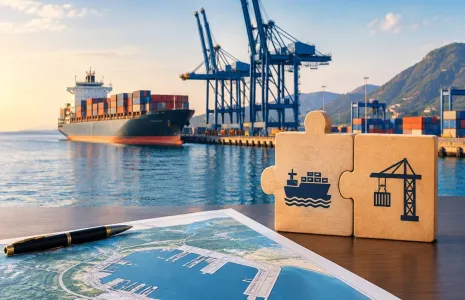
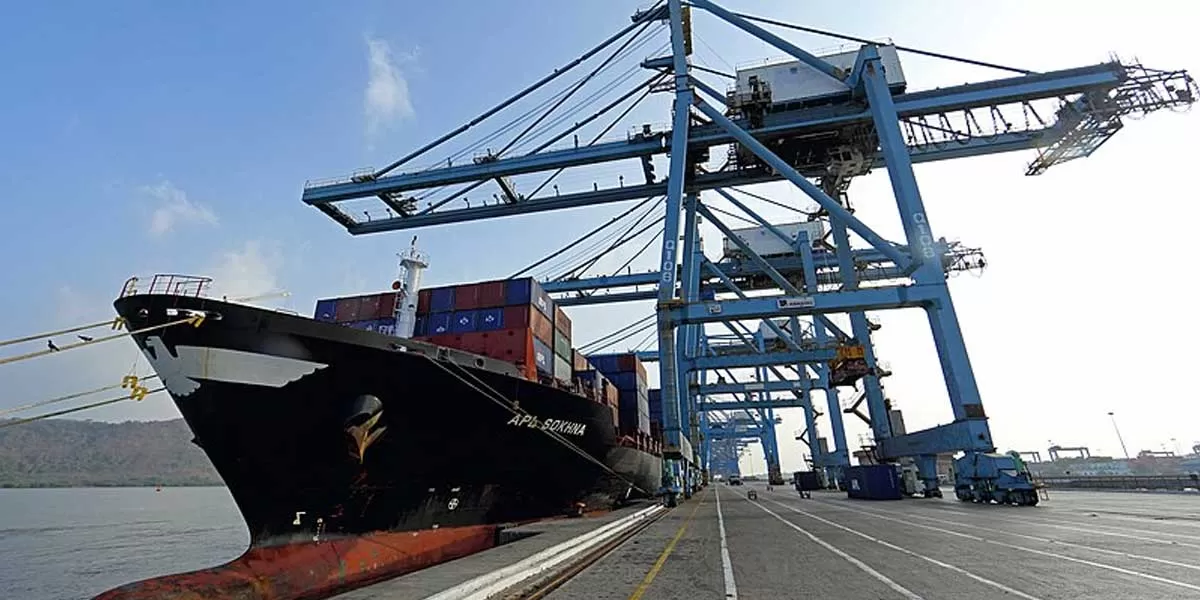
The Indian government is expected to approve a Maritime Development Fund (MDF) worth Rs 250 billion later this month. The fund is designed to provide long-term, low-cost financial support for indigenous shipbuilding and blue water infrastructure projects. This initiative aligns with the Make-in-India campaign, which seeks to establish India as a global manufacturing hub.

The MDF is anticipated to be structured as a corporate entity with the government holding a minority stake of at least 26 per cent. The majority shareholding will be allocated to multilateral financial institutions and global funds. It will offer various forms of financial support, including debt, equity, viability gap funding (VGF), and buyer credit. Although similar to the National Bank for Financing Infrastructure and Development (NaBFID), the MDF will focus specifically on the maritime sector.

The fund will have a corpus of Rs 250 billion over seven years and will provide long-term loans of up to 25 years, matching the 30-year lifespan of vessels.

As of December 2023, India's fleet comprises 1,526 vessels with a gross tonnage (GT) of 14 million. Approximately 44 per cent of these vessels are over 20 years old, indicating a need for replacement in the near future.

This development follows inter-ministerial consultations, with a final cabinet note expected to be submitted for approval by the end of September.

The MDF aims to achieve several key objectives:

  • Promote domestic shipbuilding of all types and sizes to reduce dependence on foreign ships. Currently, India spends nearly $75 billion annually on leasing ships and controls only 2 per cent of the world's total tonnage.
  • Increase India's share of the global shipbuilding market from less than 1 per cent to 5 per cent, which is currently dominated by China, South Korea, and Japan.

The Indian government is expected to approve a Maritime Development Fund (MDF) worth Rs 250 billion later this month. The fund is designed to provide long-term, low-cost financial support for indigenous shipbuilding and blue water infrastructure projects. This initiative aligns with the Make-in-India campaign, which seeks to establish India as a global manufacturing hub.The MDF is anticipated to be structured as a corporate entity with the government holding a minority stake of at least 26 per cent. The majority shareholding will be allocated to multilateral financial institutions and global funds. It will offer various forms of financial support, including debt, equity, viability gap funding (VGF), and buyer credit. Although similar to the National Bank for Financing Infrastructure and Development (NaBFID), the MDF will focus specifically on the maritime sector.The fund will have a corpus of Rs 250 billion over seven years and will provide long-term loans of up to 25 years, matching the 30-year lifespan of vessels.As of December 2023, India's fleet comprises 1,526 vessels with a gross tonnage (GT) of 14 million. Approximately 44 per cent of these vessels are over 20 years old, indicating a need for replacement in the near future.This development follows inter-ministerial consultations, with a final cabinet note expected to be submitted for approval by the end of September.The MDF aims to achieve several key objectives:Promote domestic shipbuilding of all types and sizes to reduce dependence on foreign ships. Currently, India spends nearly $75 billion annually on leasing ships and controls only 2 per cent of the world's total tonnage.Increase India's share of the global shipbuilding market from less than 1 per cent to 5 per cent, which is currently dominated by China, South Korea, and Japan.

Next Story
Infrastructure Urban

India Expands Semiconductor Training To 500 Institutions

Under the Chips to Startups programme of the India Semiconductor Mission, the Union minister responsible for Railways, Information and Broadcasting, and Electronics and IT reported notable progress in talent development. He indicated that over the past four years substantial steps have been taken towards a 10-year target of training 85,000 engineers in semiconductor design. World-class EDA tools have been deployed in 315 academic institutions across the country to provide students with practical exposure to chip design. These EDA tools are supported by leading global firms and are accessible t..

Next Story
Infrastructure Urban

Delhi Institutions Support India Semiconductor Mission

The Government of India has prioritised talent development through training, upskilling and workforce development under the Chips to Startups initiative of the India Semiconductor Mission, with officials noting progress in four years towards a 10-year target of training 85,000 engineers in semiconductor design. Electronic design automation tools provided by Synopsys, Cadence, Siemens, Renesas, Ansys and AMD have been deployed in 315 academic institutions, enabling students to gain practical chip design experience. Chips have been fabricated and tested at the Semiconductor Laboratory, Mohali, a..

Next Story
Infrastructure Urban

NHA Announces Winners Of NHCX Hackathon At IIT Hyderabad

The National Health Authority (NHA) has concluded the NHCX Hackathon under the Ayushman Bharat Digital Mission (ABDM) to stimulate innovation around the National Health Claims Exchange (NHCX). The winning teams presented their solutions at the NHCX Innovation Meet held at IIT Hyderabad during a two-day event in March 2026 that also served as the hackathon grand finale. The hackathon itself ran from 22 to 28 February 2026 and aimed to accelerate paperless, transparent claims processing across India. The event was organised with a range of ecosystem partners, including the Insurance Regulatory a..

Advertisement

Subscribe to Our Newsletter

Get daily newsletters around different themes from Construction world.

STAY CONNECTED

Advertisement

Advertisement

Advertisement