Kochi Launches New Drive to Boost Sustainable Shipbuilding and Repairs
PORTS & SHIPPING

Kochi Launches New Drive to Boost Sustainable Shipbuilding and Repairs

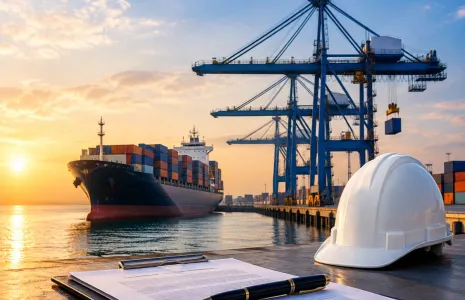
India’s shipbuilding and marine services sector is on the brink of a significant transformation as Cochin Shipyard (CSL) has partnered with the global maritime giant Drydocks World to establish a network of ship repair clusters throughout the country.

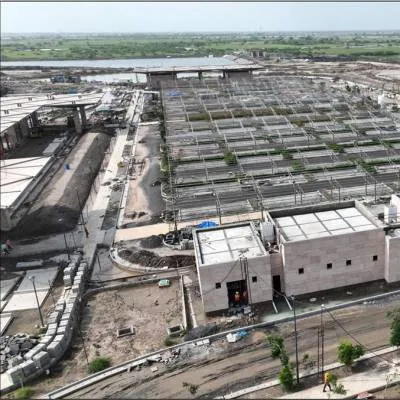
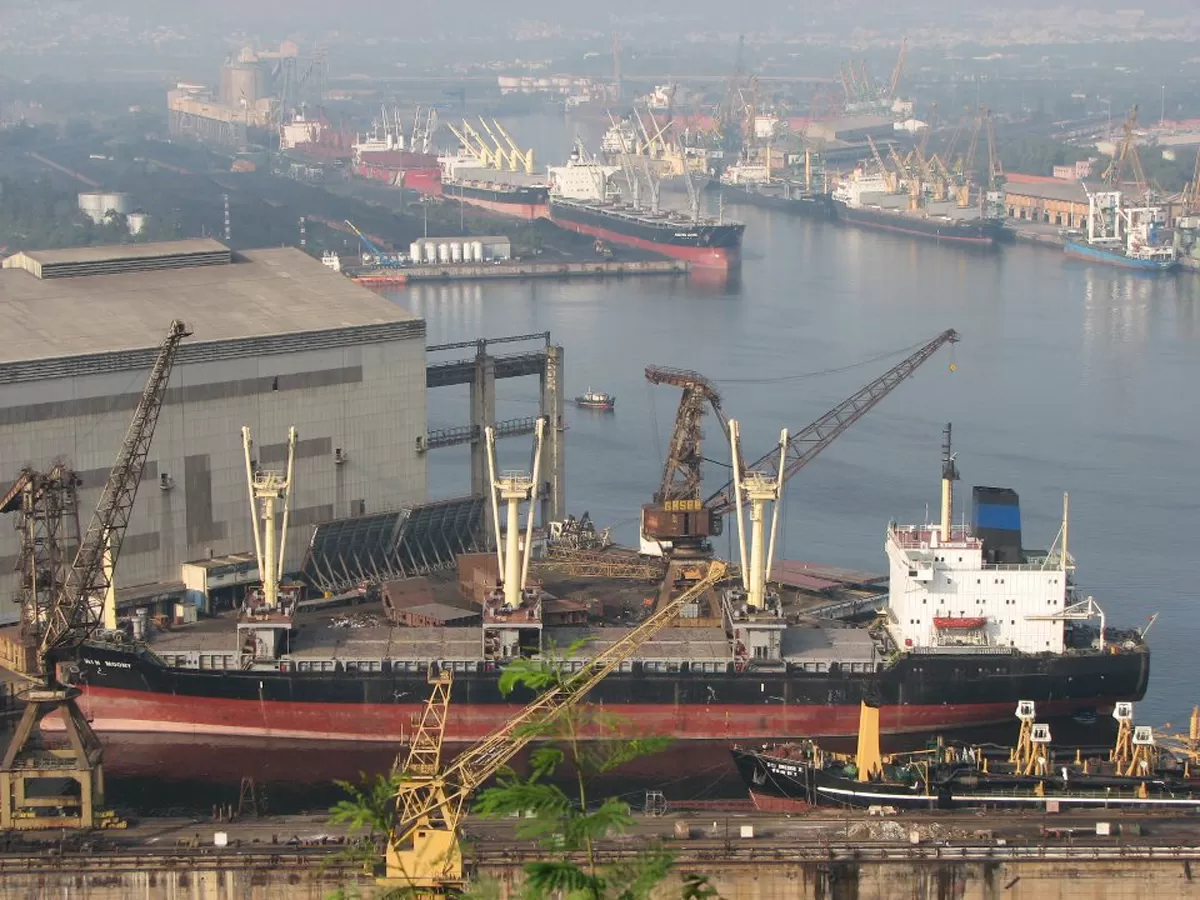
This initiative aims to develop a resilient, self-reliant, and technologically advanced marine ecosystem in line with India’s Maritime Vision 2030. The strategic partnership was reaffirmed during a high-level visit in Kochi earlier this month, where both organisations discussed immediate collaboration at the newly established International Ship Repair Facility (ISRF). During the visit, CSL showcased its advanced 310-metre dry dock and training facilities, setting the stage for long-term cooperation focused on offshore fabrication and sophisticated repair solutions.

As the global shipping industry moves towards greener practices and improved operational efficiency, India’s ports and shipyards face increasing pressure to modernize. This alliance is intended to introduce international standards into the domestic maritime sector while supporting India’s ambition to become a global maritime hub.

The collaboration represents a vital step towards reducing India’s reliance on foreign ship repair services, thereby lowering costs, emissions, and turnaround times for commercial fleets. Kochi’s strategic position along key global shipping routes provides a natural gateway for the growth of maritime services, especially amid rising marine traffic in the Asia-Pacific region.

Both partners have also committed to investing in human capital by focusing on advanced marine engineering training, enhancing the skills of coastal labour, and integrating global best practices into local operations. These measures are expected to increase employment opportunities, encourage technical innovation, and promote inclusive development along the coast.

Industry experts suggest that this model could play a foundational role in India’s broader shift towards low-carbon port infrastructure. The emphasis on sustainable repair and fabrication aligns with global efforts to retrofit vessels for cleaner fuel use, positioning India as a hub for eco-friendly maritime solutions.

Future phases of the partnership will extend beyond Kochi, aiming to replicate the ship repair model across other coastal regions, thereby strengthening India’s blue economy. This decentralized approach is anticipated to unlock regional maritime potential and promote balanced urban development along the coastline.

Supported by the Government’s Amrit Kaal Vision 2047, the initiative is seen not only as a driver of economic growth but also as a climate-conscious infrastructure project. In a sector historically slow to adopt sustainability, this public-private collaboration signals a new direction, valuing technological advancement and environmental responsibility equally.

News source: Urban Acres

"Join industry leaders at RAHSTA Expo, India's premier platform for roads, highways and traffic infrastructure. Register now to explore innovations, network with experts and shape the future of mobility."

India’s shipbuilding and marine services sector is on the brink of a significant transformation as Cochin Shipyard (CSL) has partnered with the global maritime giant Drydocks World to establish a network of ship repair clusters throughout the country.This initiative aims to develop a resilient, self-reliant, and technologically advanced marine ecosystem in line with India’s Maritime Vision 2030. The strategic partnership was reaffirmed during a high-level visit in Kochi earlier this month, where both organisations discussed immediate collaboration at the newly established International Ship Repair Facility (ISRF). During the visit, CSL showcased its advanced 310-metre dry dock and training facilities, setting the stage for long-term cooperation focused on offshore fabrication and sophisticated repair solutions.As the global shipping industry moves towards greener practices and improved operational efficiency, India’s ports and shipyards face increasing pressure to modernize. This alliance is intended to introduce international standards into the domestic maritime sector while supporting India’s ambition to become a global maritime hub.The collaboration represents a vital step towards reducing India’s reliance on foreign ship repair services, thereby lowering costs, emissions, and turnaround times for commercial fleets. Kochi’s strategic position along key global shipping routes provides a natural gateway for the growth of maritime services, especially amid rising marine traffic in the Asia-Pacific region.Both partners have also committed to investing in human capital by focusing on advanced marine engineering training, enhancing the skills of coastal labour, and integrating global best practices into local operations. These measures are expected to increase employment opportunities, encourage technical innovation, and promote inclusive development along the coast.Industry experts suggest that this model could play a foundational role in India’s broader shift towards low-carbon port infrastructure. The emphasis on sustainable repair and fabrication aligns with global efforts to retrofit vessels for cleaner fuel use, positioning India as a hub for eco-friendly maritime solutions.Future phases of the partnership will extend beyond Kochi, aiming to replicate the ship repair model across other coastal regions, thereby strengthening India’s blue economy. This decentralized approach is anticipated to unlock regional maritime potential and promote balanced urban development along the coastline.Supported by the Government’s Amrit Kaal Vision 2047, the initiative is seen not only as a driver of economic growth but also as a climate-conscious infrastructure project. In a sector historically slow to adopt sustainability, this public-private collaboration signals a new direction, valuing technological advancement and environmental responsibility equally.News source: Urban Acres

Next Story
Infrastructure Transport

Bhogapuram Airport Set For Take Off After Licence Issued

Union Civil Aviation Minister Kinjarapu Ram Mohan Naidu announced that Alluri Sitharama Raju Bhogapuram International Airport has achieved 100 per cent completion following issuance of its aerodrome licence by the Ministry of Civil Aviation after an inspection with public representatives, district officials and GMR Group representatives. The licence was granted after extensive verification over the past month to ensure that safety and operational standards were met. The Chief Minister's Office has already contacted the Prime Minister's Office to finalise an inauguration date and commercial fli..

Next Story
Infrastructure Urban

Auto Sector To Grow 22-24 Per Cent In Q1 FY27

Credit Rating Information Services of India (Crisil) estimated that India's automobile sector is expected to report revenue growth of 22-24 per cent year-on-year in the first quarter of FY27 and to be among the largest contributors to corporate revenue growth in the quarter. The agency estimated overall corporate revenue to have grown 11-11.5 per cent year-on-year in the quarter ended 30 June 2026, the fastest pace in two years despite supply chain disruptions and higher input costs from the West Asia conflict. This compared with growth of 9.6 per cent in the preceding quarter. Crisil said the..

Next Story
Infrastructure Urban

Nomura Sees Q1 Pressure On Cement Margins; Backs Major Players

Nomura said cement margins will be under pressure in the June quarter as fuel and packaging costs rose, although volume growth is expected to remain healthy. The brokerage forecast six to seven per cent year-on-year organic volume growth for the Indian cement industry in the period, with Shree Cement identified as likely to post the highest growth at 15 per cent year-on-year. It noted that the West and North regions outperformed on pricing, aiding companies with greater exposure in those markets. Average trade prices improved three per cent sequentially to around Rs 326 per bag after price inc..

Advertisement

Subscribe to Our Newsletter

Get daily newsletters around different themes from Construction world.

STAY CONNECTED

Advertisement

Advertisement

Advertisement