+
Myanmar Port sold at discounted price of $30 million by Adani Ports
PORTS & SHIPPING

Myanmar Port sold at discounted price of $30 million by Adani Ports

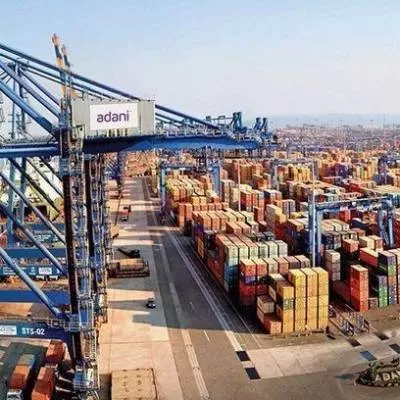
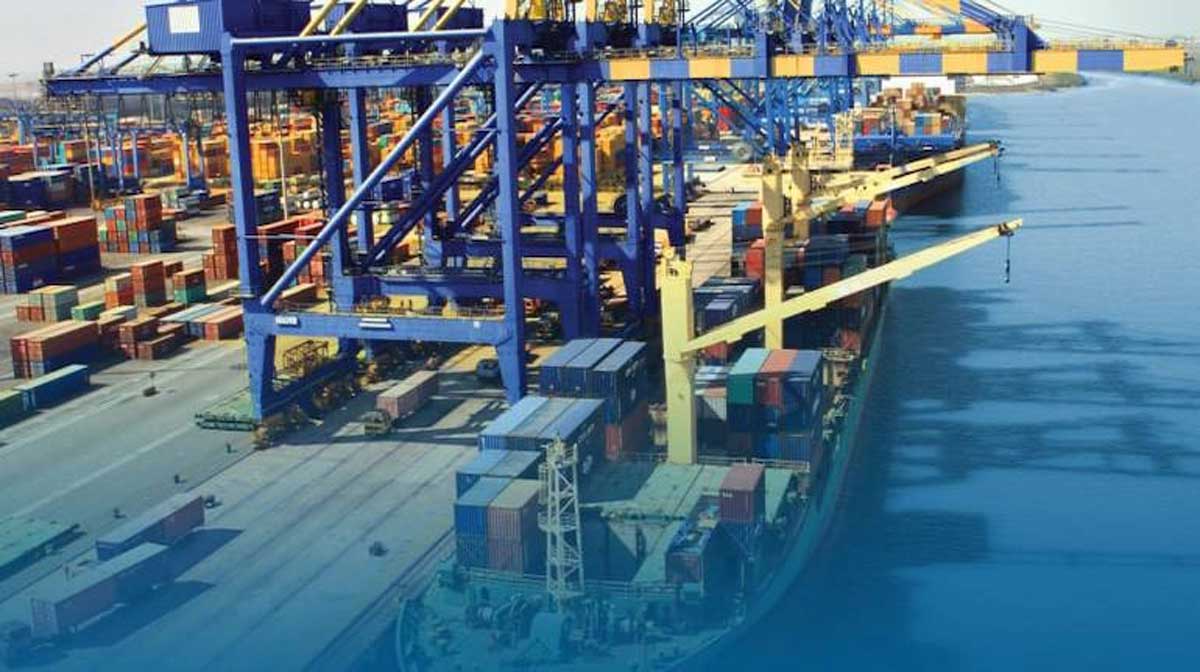
Adani Ports and Special Economic Zone (APSEZ), the largest private port operator in India, stated that it had agreed to sell the contentious Myanmar Port for $30 million, which is $120 million less than the value of its previous investment in the port. Karan Adani, CEO & Director, APSEZ stated that, "This exit is in line with the guidance provided by the APSEZ Board based on the recommendations made by the risk committee in October 2021." The business announced the signing of a share-purchase agreement for the sale of its Myanmar Port in May 2022. The agreement included a number of condition precedents (CPs), including the project's completion and the buyer's receipt of all necessary approvals.

The APSEZ has received an independent valuation on a "as is, where is" basis because of the ongoing delays in the approval process and difficulties in complying with some CPs. As a result, the selling consideration was renegotiated between the buyer and seller to $30 million. After the seller has completed all required compliance, the buyer will pay the specified sum to the seller within three business days, according to a statement from APSEZ. According to the company's regulatory filing, a company called Solar Energy is the buyer. There is still a lack of information. According to the statement, APSEZ will transfer the equity to the buyer once it has received the final transaction value and will then complete its exit.

The port operator was embroiled in dispute over the project after a military coup in February 2021, which was announced in May 2019. After the US put sanctions on the military officials in the country responsible for the coup, there were claims that the conglomerate was in reality aiding in genocidal measures in the nation. "With the ensuing military takeover in Myanmar and the ongoing US sanctions against the commercial engagement with Myanmar. According to the risk committee's suggestion, the business has chosen to sell its interest in Myanmar since February 2021. We anticipate that this transaction will be completed by the end of this fiscal year,” Adani stated in the company's October 2021 results call.

Adani Ports and Special Economic Zone (APSEZ), the largest private port operator in India, stated that it had agreed to sell the contentious Myanmar Port for $30 million, which is $120 million less than the value of its previous investment in the port. Karan Adani, CEO & Director, APSEZ stated that, This exit is in line with the guidance provided by the APSEZ Board based on the recommendations made by the risk committee in October 2021. The business announced the signing of a share-purchase agreement for the sale of its Myanmar Port in May 2022. The agreement included a number of condition precedents (CPs), including the project's completion and the buyer's receipt of all necessary approvals. The APSEZ has received an independent valuation on a as is, where is basis because of the ongoing delays in the approval process and difficulties in complying with some CPs. As a result, the selling consideration was renegotiated between the buyer and seller to $30 million. After the seller has completed all required compliance, the buyer will pay the specified sum to the seller within three business days, according to a statement from APSEZ. According to the company's regulatory filing, a company called Solar Energy is the buyer. There is still a lack of information. According to the statement, APSEZ will transfer the equity to the buyer once it has received the final transaction value and will then complete its exit. The port operator was embroiled in dispute over the project after a military coup in February 2021, which was announced in May 2019. After the US put sanctions on the military officials in the country responsible for the coup, there were claims that the conglomerate was in reality aiding in genocidal measures in the nation. With the ensuing military takeover in Myanmar and the ongoing US sanctions against the commercial engagement with Myanmar. According to the risk committee's suggestion, the business has chosen to sell its interest in Myanmar since February 2021. We anticipate that this transaction will be completed by the end of this fiscal year,” Adani stated in the company's October 2021 results call.

Next Story
Infrastructure Urban

Implementation Status of Jal Jeevan Mission

Since August 2019 the Government has implemented Jal Jeevan Mission to provide assured potable water through household tap connections in rural India. At the start of the mission only 32.3 million (mn) rural households, representing 16.7 per cent, were reported to have tap water connections. States and union territories have reported that 125.8 mn additional rural households have since been provided with tap connections. As a result, of about 193.6 mn rural households roughly 158.2 mn, or 81.71 per cent, are reported to have tap water supply at home.\n\nThe State, district and village level st..

Next Story
Infrastructure Urban

Jal Jeevan Mission Reaches Eighty One Per Cent Rural Coverage

The Government reported substantial progress under the Jal Jeevan Mission, launched in August 2019 to provide tap water to every rural household. At launch only 32.3 million (mn) rural households had tap connections and states and Union territories reported provision of 125.8 mn additional households by March 2026. Consequently, out of about 193.6 mn rural households around 158.2 mn, or 81.71 per cent, are reported to have tap water at home. The Finance Minister announced extension of the mission until 2028 in the 2025-26 budget speech. The Swachh Bharat Mission Grameen, launched in October 20..

Next Story
Infrastructure Urban

Empowering Local Governance for Sustainable Rural Water Supply

The Ministry of Jal Shakti has aligned the Jal Jeevan Mission (JJM) with the 73rd Amendment to strengthen village level planning and community ownership of water supply. Gram Panchayats, village water and sanitation committees and Pani Samitis are to plan, implement, manage and maintain piped water systems, with gram sabha processes formalising handover and oversight. Implementation support agencies including non government organisations, community based organisations and self help groups have been empanelled to train local committees and promote women participation. Under JJM, the department ..

Advertisement

Subscribe to Our Newsletter

Get daily newsletters around different themes from Construction world.

STAY CONNECTED

Advertisement

Advertisement

Advertisement