
Netincon Wins India’s First Green Tug Tender
PORTS & SHIPPING

Netincon Wins India’s First Green Tug Tender

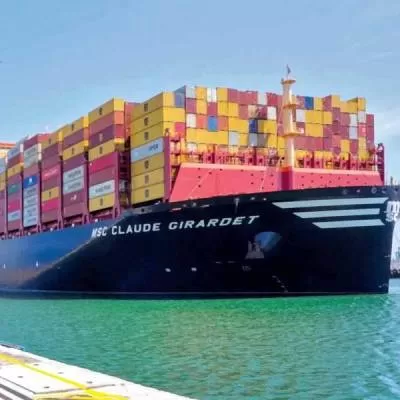
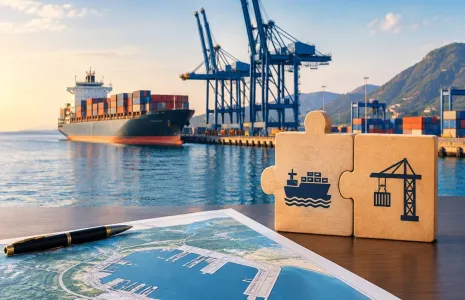
In a landmark move toward sustainable maritime operations, Netincon Marketing Pvt Ltd, a subsidiary of the Ripley Group, has emerged as the lowest bidder for India’s first electric green tug tender floated by the Deendayal Port Authority. The company quoted a daily hire rate of Rs 6.3 lakh—5.97% lower than the reserve price of Rs 6.7 lakh.

To meet the tender's technical requirements, Netincon Marketing has partnered with Mandovi Drydocks, a Goa-based shipbuilder, to construct the electric tug. The contract will run for 15 years, marking a significant step in India’s effort to decarbonize port operations.

This development is part of the Green Tug Transition Programme (GTTP) launched by the Ministry of Ports, Shipping and Waterways in August 2024. The programme aims to replace conventional harbour tugs with green alternatives that run on cleaner fuels.

In the first phase, which runs until December 2027, four major ports—JNPA, Deendayal, Paradip, and VOC Port—will each acquire or charter at least two green tugs, supported by a projected investment of ?1,000 crore. The Standing Specification Committee (SSC) has developed standardised designs to guide this transition.

Netincon, traditionally active in stevedoring, logistics, and ship owning, will now play a pivotal role in India’s push for greener, future-ready port infrastructure.

In a landmark move toward sustainable maritime operations, Netincon Marketing Pvt Ltd, a subsidiary of the Ripley Group, has emerged as the lowest bidder for India’s first electric green tug tender floated by the Deendayal Port Authority. The company quoted a daily hire rate of Rs 6.3 lakh—5.97% lower than the reserve price of Rs 6.7 lakh. To meet the tender's technical requirements, Netincon Marketing has partnered with Mandovi Drydocks, a Goa-based shipbuilder, to construct the electric tug. The contract will run for 15 years, marking a significant step in India’s effort to decarbonize port operations. This development is part of the Green Tug Transition Programme (GTTP) launched by the Ministry of Ports, Shipping and Waterways in August 2024. The programme aims to replace conventional harbour tugs with green alternatives that run on cleaner fuels. In the first phase, which runs until December 2027, four major ports—JNPA, Deendayal, Paradip, and VOC Port—will each acquire or charter at least two green tugs, supported by a projected investment of ?1,000 crore. The Standing Specification Committee (SSC) has developed standardised designs to guide this transition. Netincon, traditionally active in stevedoring, logistics, and ship owning, will now play a pivotal role in India’s push for greener, future-ready port infrastructure.

Next Story
Real Estate

AI: The New Recruit

From getting ideas to evaluating designs, presenting concepts to clients and tracking projects, artificial intelligence (AI) is helping architects work better and faster.“AI allows architects to spend more time doing what only they can do: think critically, synthesise complexity and design with intent,” says Dikshu C Kukreja, Managing Principal, CP Kukreja Architects. “Every minute reclaimed from repetitive processes can be invested in creativity, contextual understanding, interdisciplinary collaboration and innovation – the qualities that define meaningful architecture.”To read the ..

Next Story
Real Estate

Redevelopment 2.0

In 2017, Mumbai identified 160,000 ageing buildings due for structural audit. Close to half of these were in the Western Suburbs. Redeveloping the oldest and structurally weakest of these would help unlock new housing, much needed given the city’s growing population density and constant developed area of 437.7 sq km. At 30,600 people per sq km in 2024, Mumbai’s density was almost thrice that of Gurugram, and 60 per cent higher than Bengaluru’s.Essentially, Mumbai’s realty market has demand. It has capital. It has realty development potential.Fast forward to 2026. Mumbai has 1,094 regis..

Next Story
Technology

Cost intelligence will become a strategic contributor to project success

As India's construction industry accelerates its digital transformation, integrated platforms, AI and connected data are becoming essential to improving cost certainty, project efficiency and sustainability. Ravi Kumar, Sales Director – India, RIB Software India, shares how digital workflows are reshaping project planning, commercial management and decision-making across the construction value chain.India's construction sector is embracing digital technologies at an unprecedented pace. From your perspective, what are the biggest shifts driving this transformation and how is RIB Software enab..

Advertisement

Subscribe to Our Newsletter

Get daily newsletters around different themes from Construction world.

STAY CONNECTED

Advertisement

Advertisement

Advertisement