New Tender for Multipurpose Cargo Berth at Deendayal Port
PORTS & SHIPPING

New Tender for Multipurpose Cargo Berth at Deendayal Port

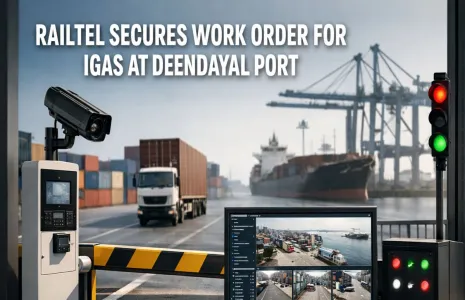
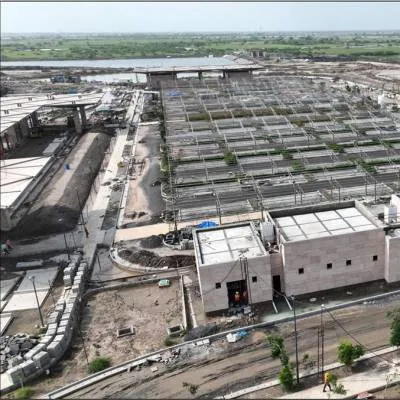
The Deendayal Port Authority, which oversees operations at Kandla Port in Gujarat, plans to issue a new tender for a multipurpose cargo berth at its Tuna Tekra facility, with private investments amounting to Rs.17.19 billion. This marks the third attempt to secure a private partner after previous tenders failed due to unfavorable terms.

Deputy Chairman Nandeesh Shukla revealed that the new tender will offer significant concessions, including a waiver on minimum guaranteed throughput for the first four to five years, a major change aimed at attracting bidders. This revision is pending approval at the highest level.

Previous attempts to develop the facility under a public-private partnership (PPP) model for a 30-year concession faced resistance from bidders concerned about stringent throughput guarantees. If the operator fails to meet these guarantees, they are liable for royalties based on actual volumes or the minimum guaranteed, whichever is higher. Critics argue that this system disproportionately favors major ports and does not account for market fluctuations in trade.

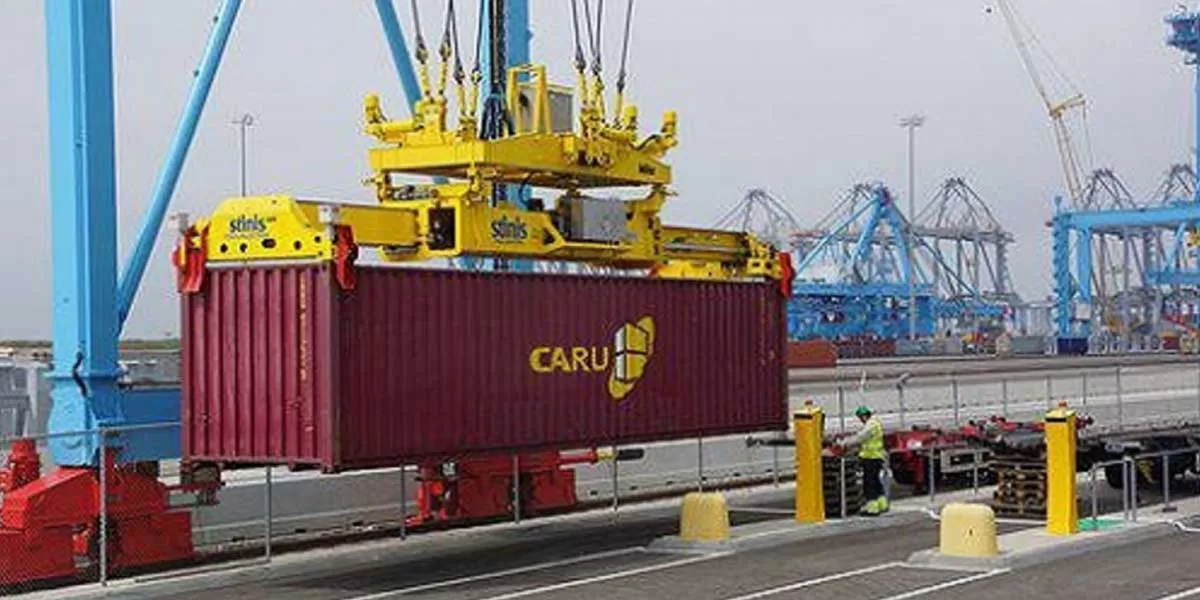
The planned multipurpose terminal will be capable of handling 18.33 million tonnes of various cargo types, excluding liquid and containerized goods. With existing dry cargo capacity at 59.96 million tonnes, Deendayal Port is seeking to expand to accommodate rising traffic demands projected to exceed current capacity significantly by 2030.

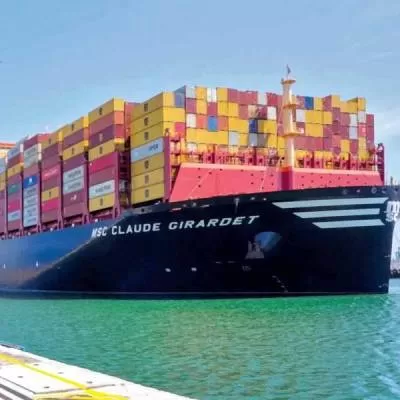
The new berth will facilitate the handling of food grains, fertilizers, coal, and other essential commodities, and is designed to accommodate ships up to 100,000 deadweight tonnes with a draft of 15 meters. Deendayal Port currently operates 16 cargo berths and serves key markets in Northern India, including landlocked states like Jammu and Kashmir, Uttar Pradesh, and Madhya Pradesh.

The Deendayal Port Authority, which oversees operations at Kandla Port in Gujarat, plans to issue a new tender for a multipurpose cargo berth at its Tuna Tekra facility, with private investments amounting to Rs.17.19 billion. This marks the third attempt to secure a private partner after previous tenders failed due to unfavorable terms. Deputy Chairman Nandeesh Shukla revealed that the new tender will offer significant concessions, including a waiver on minimum guaranteed throughput for the first four to five years, a major change aimed at attracting bidders. This revision is pending approval at the highest level. Previous attempts to develop the facility under a public-private partnership (PPP) model for a 30-year concession faced resistance from bidders concerned about stringent throughput guarantees. If the operator fails to meet these guarantees, they are liable for royalties based on actual volumes or the minimum guaranteed, whichever is higher. Critics argue that this system disproportionately favors major ports and does not account for market fluctuations in trade. The planned multipurpose terminal will be capable of handling 18.33 million tonnes of various cargo types, excluding liquid and containerized goods. With existing dry cargo capacity at 59.96 million tonnes, Deendayal Port is seeking to expand to accommodate rising traffic demands projected to exceed current capacity significantly by 2030. The new berth will facilitate the handling of food grains, fertilizers, coal, and other essential commodities, and is designed to accommodate ships up to 100,000 deadweight tonnes with a draft of 15 meters. Deendayal Port currently operates 16 cargo berths and serves key markets in Northern India, including landlocked states like Jammu and Kashmir, Uttar Pradesh, and Madhya Pradesh.

Next Story
Infrastructure Urban

India Expands Semiconductor Training To 500 Institutions

Under the Chips to Startups programme of the India Semiconductor Mission, the Union minister responsible for Railways, Information and Broadcasting, and Electronics and IT reported notable progress in talent development. He indicated that over the past four years substantial steps have been taken towards a 10-year target of training 85,000 engineers in semiconductor design. World-class EDA tools have been deployed in 315 academic institutions across the country to provide students with practical exposure to chip design. These EDA tools are supported by leading global firms and are accessible t..

Next Story
Infrastructure Urban

Delhi Institutions Support India Semiconductor Mission

The Government of India has prioritised talent development through training, upskilling and workforce development under the Chips to Startups initiative of the India Semiconductor Mission, with officials noting progress in four years towards a 10-year target of training 85,000 engineers in semiconductor design. Electronic design automation tools provided by Synopsys, Cadence, Siemens, Renesas, Ansys and AMD have been deployed in 315 academic institutions, enabling students to gain practical chip design experience. Chips have been fabricated and tested at the Semiconductor Laboratory, Mohali, a..

Next Story
Infrastructure Urban

NHA Announces Winners Of NHCX Hackathon At IIT Hyderabad

The National Health Authority (NHA) has concluded the NHCX Hackathon under the Ayushman Bharat Digital Mission (ABDM) to stimulate innovation around the National Health Claims Exchange (NHCX). The winning teams presented their solutions at the NHCX Innovation Meet held at IIT Hyderabad during a two-day event in March 2026 that also served as the hackathon grand finale. The hackathon itself ran from 22 to 28 February 2026 and aimed to accelerate paperless, transparent claims processing across India. The event was organised with a range of ecosystem partners, including the Insurance Regulatory a..

Advertisement

Subscribe to Our Newsletter

Get daily newsletters around different themes from Construction world.

STAY CONNECTED

Advertisement

Advertisement

Advertisement