Panama Canal drought and it's impact on global trade
PORTS & SHIPPING

Panama Canal drought and it's impact on global trade

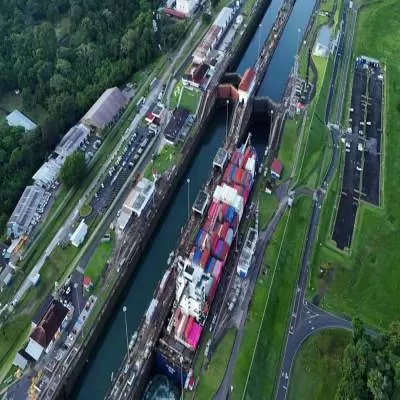
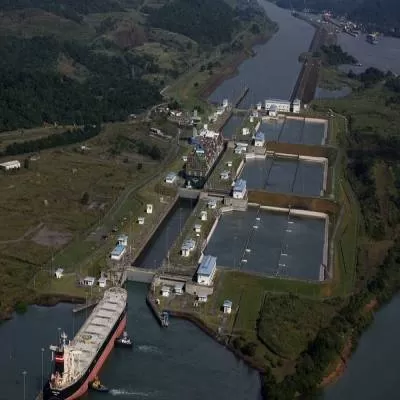
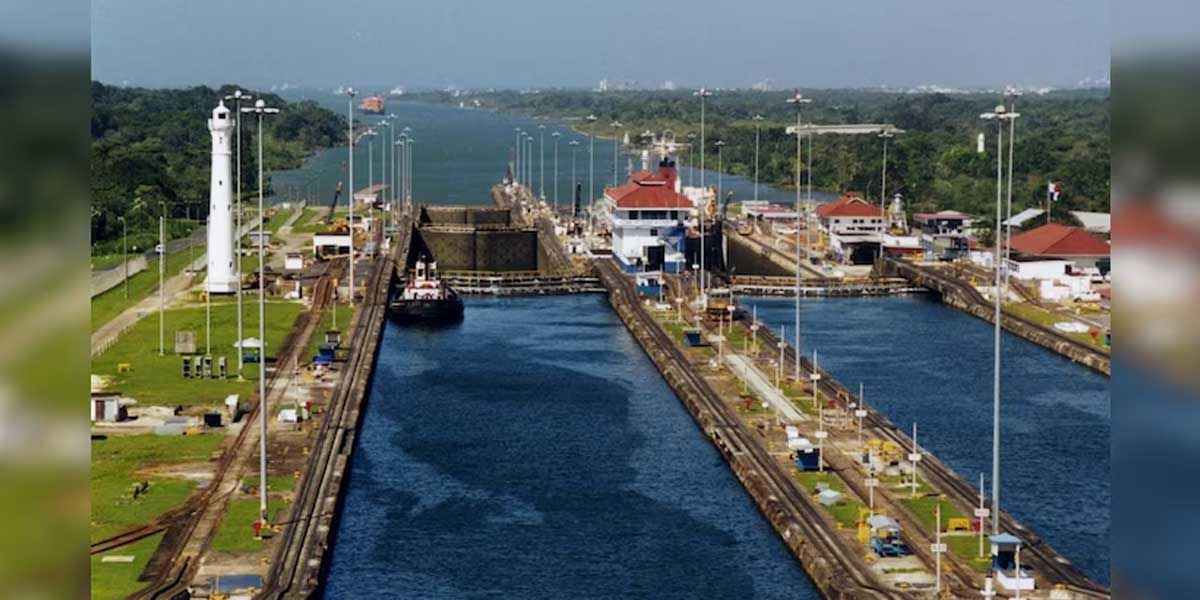
The Panama Canal, a vital conduit connecting the Atlantic and Pacific Oceans, is facing an unprecedented challenge as severe drought conditions persist, posing significant limitations on vessel traffic and draft depth. Despite the conclusion of the rainy season in the country, the canal's water levels have failed to recover adequately. Consequently, the Panama Canal Authority has made the decision to extend water restrictions throughout the entirety of 2024.
This protracted water scarcity issue raises concerns about further disruptions and delays within the global supply chain, as the Panama Canal serves as a pivotal artery for international trade. The adverse effects of this prolonged drought directly impact vessels that rely on the canal for expeditious and efficient navigation between the world's major oceans.
The Panama Canal, a remarkable feat of engineering, spans approximately 65 kilometers from shoreline to shoreline. It plays a pivotal role in enabling ships to circumvent the lengthy and perilous journey around the southern tip of South America. This vital waterway, which was officially completed in August 1914, effectively shortens the maritime distance between the Atlantic or Caribbean Sea and the Pacific Ocean by approximately 82 kilometers.
The decision to extend water restrictions underscores the seriousness of the ongoing water crisis and its implications for global trade. The Panama Canal's authority is proactively addressing the situation to ensure the safety and efficiency of maritime traffic, even as they grapple with the challenges posed by nature.
As the world continues to rely on the Panama Canal for the smooth flow of goods and commodities, the ongoing drought and resultant restrictions highlight the vulnerability of critical global trade routes to environmental factors. The global shipping industry and stakeholders will closely monitor developments in this important waterway.

"Join industry leaders at RAHSTA Expo, India's premier platform for roads, highways and traffic infrastructure. Register now to explore innovations, network with experts and shape the future of mobility."

The Panama Canal, a vital conduit connecting the Atlantic and Pacific Oceans, is facing an unprecedented challenge as severe drought conditions persist, posing significant limitations on vessel traffic and draft depth. Despite the conclusion of the rainy season in the country, the canal's water levels have failed to recover adequately. Consequently, the Panama Canal Authority has made the decision to extend water restrictions throughout the entirety of 2024.This protracted water scarcity issue raises concerns about further disruptions and delays within the global supply chain, as the Panama Canal serves as a pivotal artery for international trade. The adverse effects of this prolonged drought directly impact vessels that rely on the canal for expeditious and efficient navigation between the world's major oceans.The Panama Canal, a remarkable feat of engineering, spans approximately 65 kilometers from shoreline to shoreline. It plays a pivotal role in enabling ships to circumvent the lengthy and perilous journey around the southern tip of South America. This vital waterway, which was officially completed in August 1914, effectively shortens the maritime distance between the Atlantic or Caribbean Sea and the Pacific Ocean by approximately 82 kilometers.The decision to extend water restrictions underscores the seriousness of the ongoing water crisis and its implications for global trade. The Panama Canal's authority is proactively addressing the situation to ensure the safety and efficiency of maritime traffic, even as they grapple with the challenges posed by nature.As the world continues to rely on the Panama Canal for the smooth flow of goods and commodities, the ongoing drought and resultant restrictions highlight the vulnerability of critical global trade routes to environmental factors. The global shipping industry and stakeholders will closely monitor developments in this important waterway.

Next Story
Real Estate

SNN Estates Expands North Bengaluru Housing Project

SNN Estates has announced an expansion of its SNN Estates Felicity residential project in North Bengaluru following strong buyer demand, with 75 per cent of the first-phase inventory sold within three days of launch.The developer will add 76 apartments in the new phase, taking the project's estimated revenue potential to around Rs 1,000 crore upon completion of Phase 2.Spread across 6.5 acres in Rachenahalli, near Manyata Tech Park, the project comprises 604 apartments in 1.5, 2, 2.5, 3 and 4 BHK configurations. The development includes a 50,000-sq-ft clubhouse with amenities such as sports co..

Next Story
Infrastructure Urban

SCG Drives ASEAN Industrial Transformation Strategy

SCG is strengthening its focus on ASEAN as a key growth region by advancing industrial transformation, enhancing competitiveness and building resilient regional value chains. Thammasak Sethaudom, President and Chief Executive Officer, SCG, highlighted the need for industries to continuously develop capabilities, strengthen resilience and deepen regional cooperation to achieve sustainable long-term growth.SCG views ASEAN as an important growth engine alongside China, supported by favourable demographics, trade connectivity and investment flows. With ASEAN’s GDP projected to grow by around 4.7..

Next Story
Products

EUROBOND Expands NABL Accreditation to 51 Testing Parameters

EUROBOND, the flagship brand of Euro Panel Products, has expanded the National Accreditation Board for Testing and Calibration Laboratories (NABL) accreditation of its in-house laboratory from 16 to 51 mechanical and chemical testing parameters, making it the only Indian aluminium composite panel (ACP) manufacturer with accreditation covering such an extensive testing scope.The expanded accreditation enables the company to independently test coils, coatings, cores, aluminium composite panels (ACP) and metal composite panels (MCP) in accordance with international standards, including IS, ASTM, ..

Advertisement

Subscribe to Our Newsletter

Get daily newsletters around different themes from Construction world.

STAY CONNECTED

Advertisement

Advertisement

Advertisement