




Swan Defence Seeks Rs 8.75 Billion For Shipyard Expansion
DEFENSE

Swan Defence Seeks Rs 8.75 Billion For Shipyard Expansion

Swan Defence and Heavy Industries Ltd (SDHI), which operates India’s largest shipyard in Pipavav, Gujarat, is seeking around Rs 8.75 billion in government assistance to support its planned expansion under the recently launched Rs 200 billion shipbuilding cluster programme.

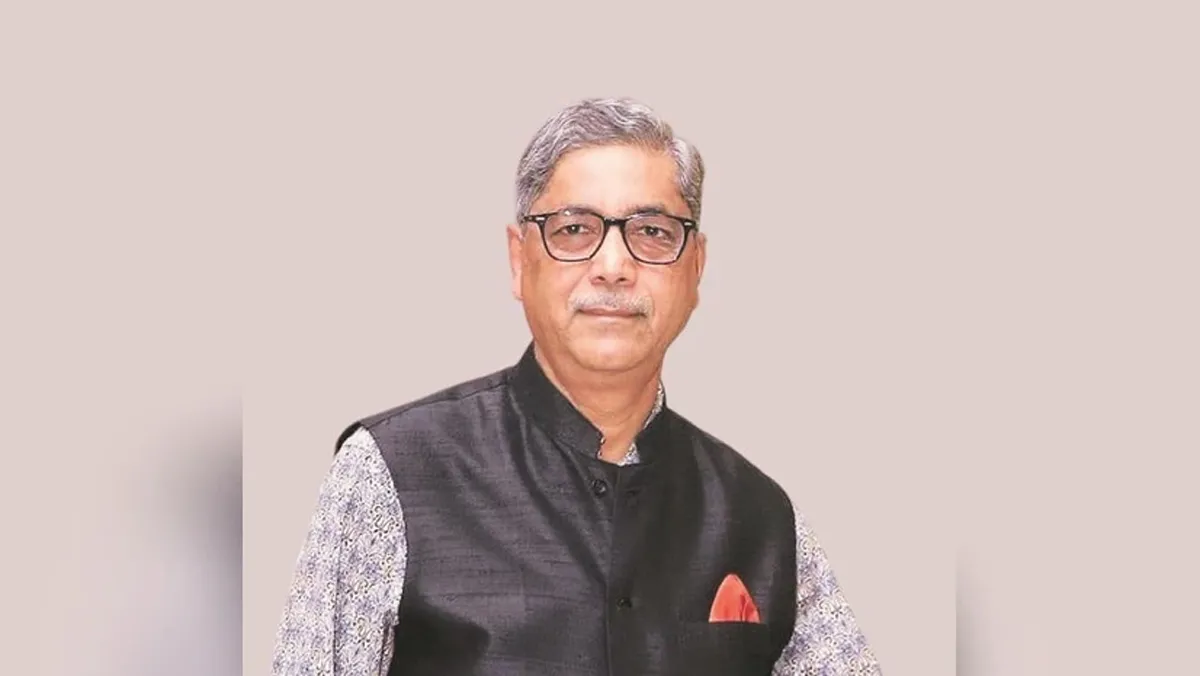
The company has signed a memorandum of understanding with the Gujarat Maritime Board for an overall development plan valued at Rs 42.5 billion. The expansion includes Rs 35 billion for upgrading the shipyard and Rs 5.5 billion for developing a maritime cluster, according to Chief Executive Officer Vipin Kumar Saxena.

“With the government’s Rs 700 billion maritime booster package and the policy focus on domestic shipbuilding, we see huge opportunities ahead,” Saxena said. “Foreign shipping lines are also closely observing India’s progress, and we are already in discussions with international clients. With our existing capacity, we are well-positioned to become a global player.”

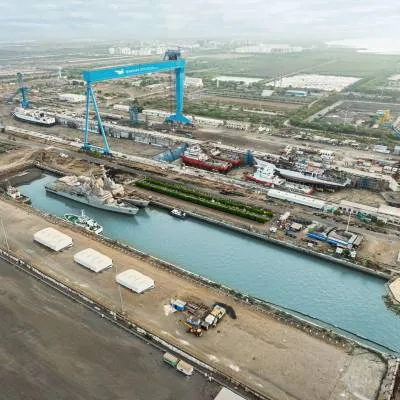
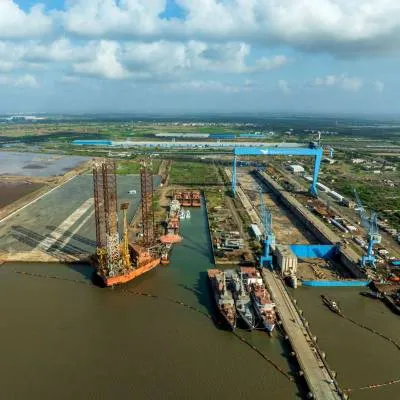
The 600-acre Pipavav facility is capable of simultaneously handling multiple projects involving very-large (VL) class vessels. SDHI also plans to capitalise on emerging opportunities in the small and medium vessel categories, particularly in crude oil carriers, which have received a policy boost from the government.

“Commercial shipbuilding in India is set for a strong revival,” Saxena noted. “We expect both public and private sector demand to grow as domestic players begin sourcing vessels locally instead of abroad. This will mark a major step towards self-reliance in the shipbuilding industry.”

SDHI has recently entered into a strategic partnership with South Korean shipbuilding major Samsung Heavy Industries to access advanced technical expertise. The collaboration will help SDHI execute large and specialised global orders as part of its international expansion strategy.

Under the government’s brownfield expansion scheme, existing shipyards can claim financial assistance covering 25 per cent of their capital expenditure. A corpus of Rs 82.6 billion has been allocated to this initiative.

Saxena also revealed that SDHI plans to diversify into cranes and port equipment manufacturing — a largely untapped segment with significant growth potential. “We are also working on developing local component manufacturing capabilities to meet the minimum local content norms under the Shipbuilding Financial Assistance Scheme,” he said.

With India’s shipbuilding ecosystem gaining strong policy support, SDHI’s expansion aligns with the national drive to boost maritime manufacturing, attract global orders, and strengthen domestic industrial capacity.

Swan Defence and Heavy Industries Ltd (SDHI), which operates India’s largest shipyard in Pipavav, Gujarat, is seeking around Rs 8.75 billion in government assistance to support its planned expansion under the recently launched Rs 200 billion shipbuilding cluster programme. The company has signed a memorandum of understanding with the Gujarat Maritime Board for an overall development plan valued at Rs 42.5 billion. The expansion includes Rs 35 billion for upgrading the shipyard and Rs 5.5 billion for developing a maritime cluster, according to Chief Executive Officer Vipin Kumar Saxena. “With the government’s Rs 700 billion maritime booster package and the policy focus on domestic shipbuilding, we see huge opportunities ahead,” Saxena said. “Foreign shipping lines are also closely observing India’s progress, and we are already in discussions with international clients. With our existing capacity, we are well-positioned to become a global player.” The 600-acre Pipavav facility is capable of simultaneously handling multiple projects involving very-large (VL) class vessels. SDHI also plans to capitalise on emerging opportunities in the small and medium vessel categories, particularly in crude oil carriers, which have received a policy boost from the government. “Commercial shipbuilding in India is set for a strong revival,” Saxena noted. “We expect both public and private sector demand to grow as domestic players begin sourcing vessels locally instead of abroad. This will mark a major step towards self-reliance in the shipbuilding industry.” SDHI has recently entered into a strategic partnership with South Korean shipbuilding major Samsung Heavy Industries to access advanced technical expertise. The collaboration will help SDHI execute large and specialised global orders as part of its international expansion strategy. Under the government’s brownfield expansion scheme, existing shipyards can claim financial assistance covering 25 per cent of their capital expenditure. A corpus of Rs 82.6 billion has been allocated to this initiative. Saxena also revealed that SDHI plans to diversify into cranes and port equipment manufacturing — a largely untapped segment with significant growth potential. “We are also working on developing local component manufacturing capabilities to meet the minimum local content norms under the Shipbuilding Financial Assistance Scheme,” he said. With India’s shipbuilding ecosystem gaining strong policy support, SDHI’s expansion aligns with the national drive to boost maritime manufacturing, attract global orders, and strengthen domestic industrial capacity.

Next Story
Infrastructure Transport

India Becomes First to Produce Bio-Bitumen for Roads

India has become the first country in the world to commercially produce bio-bitumen for use in road construction, according to Road, Transport and Highways Minister Nitin Gadkari. Bitumen, a black and viscous hydrocarbon derived from crude oil, is a key binding material in road building, and the bio-based alternative is expected to significantly improve the sector’s environmental footprint.Addressing the CSIR Technology Transfer Ceremony in New Delhi, Mr Gadkari congratulated Council of Scientific and Industrial Research on achieving the milestone, noting that the initiative would help curb ..

Next Story
Infrastructure Urban

HILT Policy Seen Boosting Telangana Revenue Sharply

The Hyderabad Industrial Land Transformation (HILT) Policy is expected to generate around Rs 1.08 billion in revenue for the Telangana state exchequer, according to Deputy Chief Minister Bhatti Vikramarka Mallu. Speaking in the Telangana Legislative Assembly, he said the policy would be implemented within a six-month timeframe in a transparent manner, with uniform rules applicable to all stakeholders. Mr Vikramarka noted that without the HILT Policy, the state would have earned only about Rs 1.2 million per acre. Under the new framework, however, revenue is projected to rise sharply to Rs 70 ..

Next Story
Infrastructure Urban

India Post, MoRD Tie Up to Boost Rural Inclusion

The Department of Posts and the Ministry of Rural Development have signed a Memorandum of Understanding to accelerate rural transformation and expand financial, digital and logistics services for Self-Help Groups (SHGs) and rural households across India. The agreement was signed in the presence of Union Minister of Communications and Development of North Eastern Region Jyotiraditya M. Scindia and Union Minister of Rural Development and Agriculture and Farmers’ Welfare Shivraj Singh Chouhan. The collaboration aligns with the government’s “Dak Sewa, Jan Sewa” vision and seeks to repositi..

Advertisement

Subscribe to Our Newsletter

Get daily newsletters around different themes from Construction world.

STAY CONNECTED

Advertisement

Advertisement

Advertisement

Advertisement

Open In App











