Gati Shakti NMP to enhance benefits in green logistics sector
WAREHOUSING & LOGISTICS

Gati Shakti NMP to enhance benefits in green logistics sector

The Indian logistics sector has witnessed robust growth for the past few years. However, the $250 billion logistics sectors still suffer from many stoppages.

The government has taken initiatives to ensure smooth logistics while promoting the usage of cleaner fuels. The Gati Shakti National Master Plan (NMP) will catalyse the benefits of the sector, especially green logistics.

India is the third-largest emitter of greenhouse gases (GHG), with about 2.35 gigatonnes of carbon emissions in 2021. The logistics sector is growing environmentally conscious and trying to reduce its carbon footprint by swapping to alternate fuels. The government’s key initiatives, including the Sagarmala Programme, GST reduction, and NMP, will pave the way to green logistics.

The logistics sector is expected to grow at a 10-12% compound annual growth rate (CAGR) to $380 billion by 2025. However, logistics and supply chain costs account for 13-14% of India’s gross domestic product (GDP), higher than most other countries.

PM Narendra Modi launched the Gati Shakti NMP in October 2021 to reduce logistics costs and improve infrastructure efficiency.

The NMP is a transformative economic and sustainable growth approach. The 100 lakh crore project will ensure faster implementation of development projects through technology, resulting in a quicker, smoother, and more efficient delivery.

The government is creating a single-window logistic platform by integrating 24 departments and six ministries into its Unified Logistics Interface Platform (ULIP). It will provide real-time visibility to fill the gap in the movement of goods, reduce costs and enhance the ease of doing business.

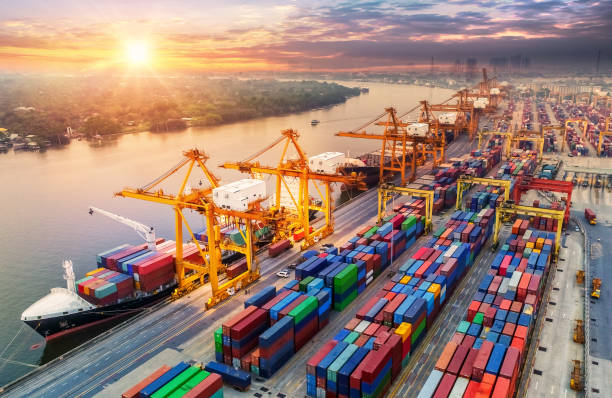
The Gati Shakti aims to create roads linked to railway lines that will further feed into major and minor ports, leading to the efficient movement of goods, especially from the frontiers.

While integrating all the multimodal connectivity projects, the NMP will optimise the efficiency of the movement of goods and people.

The Ministry of Road Transport and Highways (MoRTH) and Shipping plan to connect all state capitals in the northeast by expanding the national highway (NH) network to 2 lakh km by 2025. It will reduce the turnaround time and enhance efficiency in the supply chain.

The government is constantly trying to promote natural gas as a long-haul transportation fuel. It is expected to become a more reliable choice due to its lower storage costs and lesser emissions.

The CNG dispensing stations might grow at a 17% CAGR, and the government plans to set up 1,000 LNG stations across India in the next three years.

Green logistics can enhance operations across the logistics sector significantly, saving cost and time, tracking, reliability, transport infrastructure, and transparency while attracting logistics infrastructure investments for green and resilient multimodal connectivity.

Image Source

Also read: ICRA Ratings: India logistics sector revives significantly

The Indian logistics sector has witnessed robust growth for the past few years. However, the $250 billion logistics sectors still suffer from many stoppages. The government has taken initiatives to ensure smooth logistics while promoting the usage of cleaner fuels. The Gati Shakti National Master Plan (NMP) will catalyse the benefits of the sector, especially green logistics. India is the third-largest emitter of greenhouse gases (GHG), with about 2.35 gigatonnes of carbon emissions in 2021. The logistics sector is growing environmentally conscious and trying to reduce its carbon footprint by swapping to alternate fuels. The government’s key initiatives, including the Sagarmala Programme, GST reduction, and NMP, will pave the way to green logistics. The logistics sector is expected to grow at a 10-12% compound annual growth rate (CAGR) to $380 billion by 2025. However, logistics and supply chain costs account for 13-14% of India’s gross domestic product (GDP), higher than most other countries. PM Narendra Modi launched the Gati Shakti NMP in October 2021 to reduce logistics costs and improve infrastructure efficiency. The NMP is a transformative economic and sustainable growth approach. The 100 lakh crore project will ensure faster implementation of development projects through technology, resulting in a quicker, smoother, and more efficient delivery. The government is creating a single-window logistic platform by integrating 24 departments and six ministries into its Unified Logistics Interface Platform (ULIP). It will provide real-time visibility to fill the gap in the movement of goods, reduce costs and enhance the ease of doing business. The Gati Shakti aims to create roads linked to railway lines that will further feed into major and minor ports, leading to the efficient movement of goods, especially from the frontiers. While integrating all the multimodal connectivity projects, the NMP will optimise the efficiency of the movement of goods and people. The Ministry of Road Transport and Highways (MoRTH) and Shipping plan to connect all state capitals in the northeast by expanding the national highway (NH) network to 2 lakh km by 2025. It will reduce the turnaround time and enhance efficiency in the supply chain. The government is constantly trying to promote natural gas as a long-haul transportation fuel. It is expected to become a more reliable choice due to its lower storage costs and lesser emissions. The CNG dispensing stations might grow at a 17% CAGR, and the government plans to set up 1,000 LNG stations across India in the next three years. Green logistics can enhance operations across the logistics sector significantly, saving cost and time, tracking, reliability, transport infrastructure, and transparency while attracting logistics infrastructure investments for green and resilient multimodal connectivity. Image Source Also read: ICRA Ratings: India logistics sector revives significantly

Related Stories

Gold Stories

Next Story
Resources

Schindler named among Forbes’ World’s Best Employers 2026

Schindler has been named among Forbes’ World’s Best Employers 2026, a global ranking recognising companies for their workplace environments.Compiled by Forbes in partnership with Statista, the ranking is based on independent employee feedback, including whether employees would recommend their organisation to friends and family.The company said the recognition reflected its focus on creating a workplace where employees can develop their expertise and build careers. ..

Next Story
Infrastructure Urban

India needs an export-execution mindset: Vishesh Jain

Interview with Vishesh Jain, Founder & CEO, EximpleWhat gaps in India’s global trade ecosystem led you to build Eximple, and what problem did you see businesses struggling with most?Eximple came out of a problem that all three founders had seen from different choke points in the trade ecosystem. India has millions of MSMEs and manufacturers, and many of them can make products that are genuinely competitive on quality. Yet only a small fraction is able to build meaningful international businesses. In our experience, the gap is usually not manufacturing capability; it is the ability to exe..

Next Story
Building Material

Nuvoco reports 13.5% revenue growth in Q2 FY27

Nuvoco Vistas Corp. Ltd. reported consolidated revenue of Rs 27.9 billion for Q2 FY27, up 13.5% year on year. Cement sales volume rose 9% to 4.7 million tonnes (MMT), while EBITDA increased 11% to Rs 4.11 billion.The company said it began its cement operations in 2014 with a 2.3 MMT per annum (MMTPA) operation at Nimbol. It now aims to reach 35 MMTPA of cement capacity by FY28, nearly 15 times its initial capacity. Its portfolio spans cement, ready-mix concrete and modern building materials.On sustainability and cost efficiency, Nuvoco partnered with CleanMax for a 46.4 MW wind-solar hybrid re..

Advertisement

Subscribe to Our Newsletter

Get daily newsletters around different themes from Construction world.

STAY CONNECTED

Advertisement

SPECIAL OFFER
QR Code