Logistics Revamp in 8 Major Cities Set to Streamline Services
WAREHOUSING & LOGISTICS

Logistics Revamp in 8 Major Cities Set to Streamline Services

The state government is formulating a comprehensive logistics plan for major cities to enhance service efficiency and improve traffic management. Official sources revealed that the Gujarat Infrastructure Development Board is serving as the nodal agency to develop logistics master plans for eight major cities—Gandhinagar, Ahmedabad, Vadodara, Surat, Rajkot, Jamnagar, Bhavnagar, and Junagadh. These plans align with the Gujarat State Integrated Logistics & Logistics Parks Policy, 2021, the State Integrated Logistics Master Plan, and the PM Gati Shakti Gujarat-Integrated Master Plan.

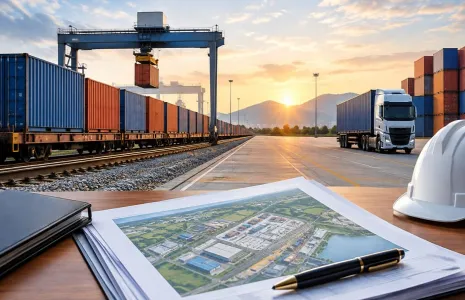
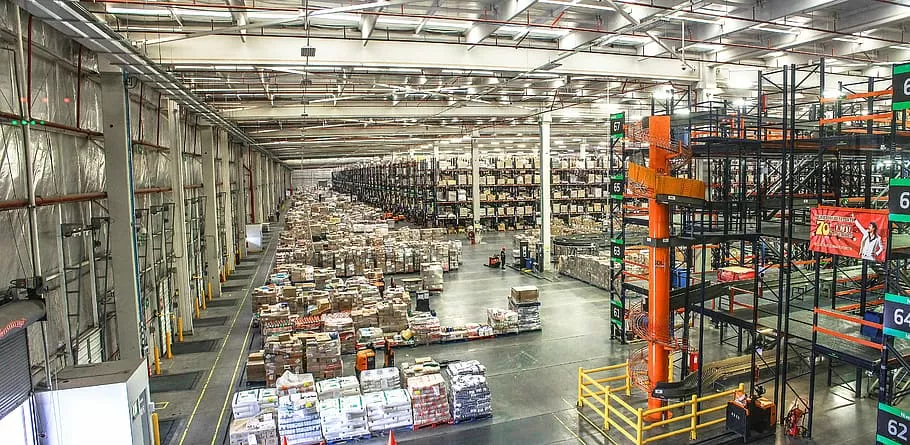
The proposed master plans aim to establish dedicated logistics zones, optimise delivery systems, and enhance stakeholder coordination. Sources indicated that the initiative is advancing toward finalising the state logistics master plan, including project proposals. Key features of the city-specific plans include efficient urban freight corridors, dedicated logistics zones, and detailed mapping of existing freight routes. Additionally, they will identify congestion points and propose solutions to streamline goods movement. The plans also emphasise contemporary warehouse facilities and multi-modal transport hubs to enable seamless cargo transfer.

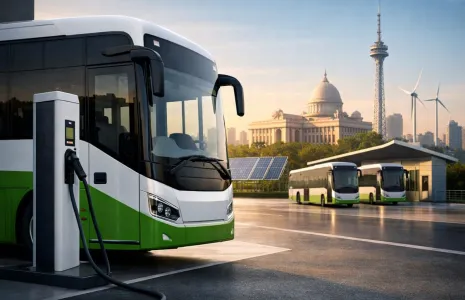
The integration of technology will be a significant aspect, with real-time tracking systems, automated traffic management, and other tech-driven solutions forming part of the plans. Officials highlighted the government's focus on sustainable practices, such as promoting electric vehicles for cargo transport and establishing green corridors.

Specialised provisions will cater to the unique requirements of specific regions. For instance, port cities like Bhavnagar and Jamnagar will prioritise maritime cargo, while industrial hubs like Ahmedabad and Vadodara will address manufacturing sector needs. Infrastructure development proposals include the construction of new ring roads, bypass routes, and dedicated freight corridors to support the initiative.

"Join industry leaders at RAHSTA Expo, India's premier platform for roads, highways and traffic infrastructure. Register now to explore innovations, network with experts and shape the future of mobility."

The state government is formulating a comprehensive logistics plan for major cities to enhance service efficiency and improve traffic management. Official sources revealed that the Gujarat Infrastructure Development Board is serving as the nodal agency to develop logistics master plans for eight major cities—Gandhinagar, Ahmedabad, Vadodara, Surat, Rajkot, Jamnagar, Bhavnagar, and Junagadh. These plans align with the Gujarat State Integrated Logistics & Logistics Parks Policy, 2021, the State Integrated Logistics Master Plan, and the PM Gati Shakti Gujarat-Integrated Master Plan. The proposed master plans aim to establish dedicated logistics zones, optimise delivery systems, and enhance stakeholder coordination. Sources indicated that the initiative is advancing toward finalising the state logistics master plan, including project proposals. Key features of the city-specific plans include efficient urban freight corridors, dedicated logistics zones, and detailed mapping of existing freight routes. Additionally, they will identify congestion points and propose solutions to streamline goods movement. The plans also emphasise contemporary warehouse facilities and multi-modal transport hubs to enable seamless cargo transfer. The integration of technology will be a significant aspect, with real-time tracking systems, automated traffic management, and other tech-driven solutions forming part of the plans. Officials highlighted the government's focus on sustainable practices, such as promoting electric vehicles for cargo transport and establishing green corridors. Specialised provisions will cater to the unique requirements of specific regions. For instance, port cities like Bhavnagar and Jamnagar will prioritise maritime cargo, while industrial hubs like Ahmedabad and Vadodara will address manufacturing sector needs. Infrastructure development proposals include the construction of new ring roads, bypass routes, and dedicated freight corridors to support the initiative.

Next Story
Infrastructure Energy

Centre Prioritising Energy Security With Coal Gasification

Union minister for Coal and Mines G Kishan Reddy said the Centre is prioritising energy security through a strategic shift to coal gasification and has announced incentives totalling Rs 460 billion (bn) to support the effort. He said more than 35 companies will start coal gasification activities in India within two months and that the government is encouraging firms that bring technology to close the domestic technology gap. The minister described the initiative as aimed at reducing import dependence and developing indigenous capacity. India has the fifth-largest coal reserve in the world, and..

Next Story
Infrastructure Urban

BHEL and Coal India Invest Rs 250 bn in Odisha Gasification

Bharat Heavy Electricals (BHEL) and Coal India (CIL) are jointly investing Rs 250 billion in a coal gasification project in Odisha, with the Prime Minister laying the foundation stone in Jharsuguda. Union Coal and Mines Minister G Kishan Reddy described the initiative as a transformative shift in coal utilisation that will open industrial avenues for the state. The project moves coal beyond conventional power generation to industrial feedstocks. Coal gasification will convert coal into synthesis gas, a versatile feedstock for chemicals, fertilisers and synthetic fuels, and the technology is ex..

Next Story
Infrastructure Energy

BCCL Hands Over Dugdha Coal Washery To JSW Steel

Bharat Coking Coal has handed over the Dugdha Coal Washery to JSW Steel, marking the first coal washery asset monetisation under the Ministry of Coal's asset monetisation programme. The handover took place in the presence of senior officials from Bharat Coking Coal Ltd, JSW Steel and JSW Energy. The washery has a capacity of two million tonnes per annum (mn t per annum), and its transfer is intended to introduce private sector practices into coal beneficiation operations. The monetisation is aimed at modernising coal sector assets, improving operational efficiency and enhancing resource utilis..

Advertisement

Subscribe to Our Newsletter

Get daily newsletters around different themes from Construction world.

STAY CONNECTED

Advertisement

Advertisement

Advertisement