Over 15 tier-2 cities witness surge in warehousing demand
WAREHOUSING & LOGISTICS

Over 15 tier-2 cities witness surge in warehousing demand

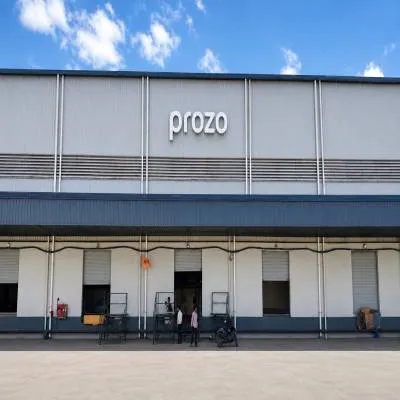
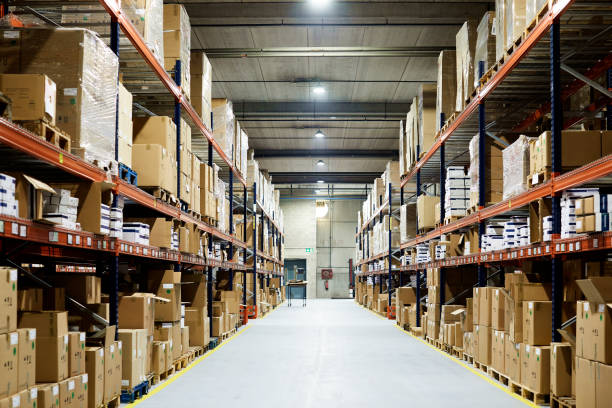
Tier-2 cities in India are experiencing greater warehousing absorption with big companies, including Amazon, Flipkart, Reliance, Udaan, among others.

Third-party logistics firms are taking large warehousing spaces to scale up operations to meet consumer needs.

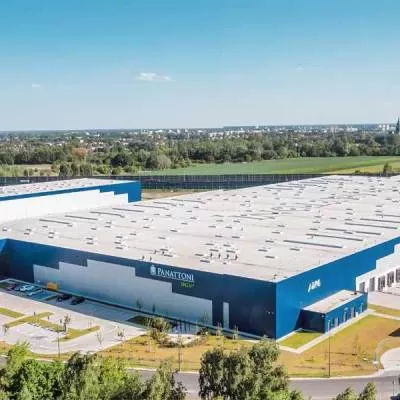
Over 15 small cities like Lucknow, Raipur, Vadodara and Bhopal are witnessing greater warehousing demand since the beginning of the Covid-19 pandemic. According to the industry experts, these cities are experiencing around 100,000 to 200,000 sq ft deals, compared to 25,000 to 50,000 sq ft deals earlier.

In the next five years, the e-commerce segment may take up to 98 million sq ft, with 165% growth from 2017-2021. Some private equity funds are also looking to invest in secondary cities in India.

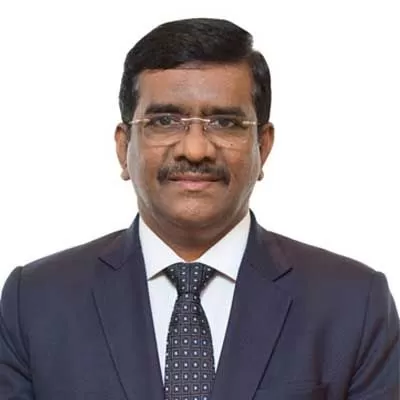
ESR and Indospace are stepping into investment in industrial and warehousing space in smaller cities across the country. CEO of ESR India, Abhijit Malkani, said there is a huge interest from institutional funds to invest in the warehousing and logistics sector in the country. The demand is also higher from the side of the e-commerce and third-party logistics industry.

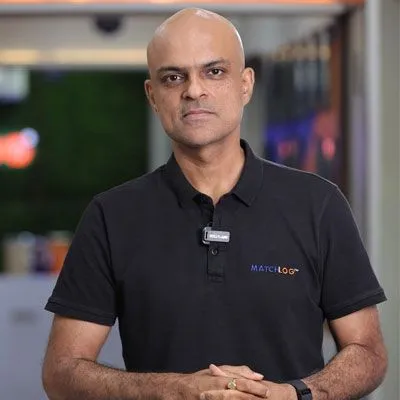
CapitaLand again launched its logistic investment fund of Rs 2,250 crore to grow India's logistics sector. CEO of Ascendas-Firstspace, Aloke Bhuniya, said that the second fund would help to increase the geographical footprint of the company, as it is looking at tier-2 cities and their size would depend on the demand. The smaller towns in the country would have to be controlled by the nearest metro hubs.

Chandranath Dey, head, operations, and business development of logistics and industries of Jones Lang LaSalle Inc.

(JLL) India, said that the fund would expand capital in Kolkata, Jaipur, Guwahati, Coimbatore and Lucknow. As the customer demand grows, consumption in tier-3 and tier-2 cities are increasing due to disposable income, affordability and aspirations.

Image Source


  Also read: E-commerce boom to boost warehousing in India

"Join industry leaders at RAHSTA Expo, India's premier platform for roads, highways and traffic infrastructure. Register now to explore innovations, network with experts and shape the future of mobility."

Tier-2 cities in India are experiencing greater warehousing absorption with big companies, including Amazon, Flipkart, Reliance, Udaan, among others. Third-party logistics firms are taking large warehousing spaces to scale up operations to meet consumer needs. Over 15 small cities like Lucknow, Raipur, Vadodara and Bhopal are witnessing greater warehousing demand since the beginning of the Covid-19 pandemic. According to the industry experts, these cities are experiencing around 100,000 to 200,000 sq ft deals, compared to 25,000 to 50,000 sq ft deals earlier. In the next five years, the e-commerce segment may take up to 98 million sq ft, with 165% growth from 2017-2021. Some private equity funds are also looking to invest in secondary cities in India. ESR and Indospace are stepping into investment in industrial and warehousing space in smaller cities across the country. CEO of ESR India, Abhijit Malkani, said there is a huge interest from institutional funds to invest in the warehousing and logistics sector in the country. The demand is also higher from the side of the e-commerce and third-party logistics industry. CapitaLand again launched its logistic investment fund of Rs 2,250 crore to grow India's logistics sector. CEO of Ascendas-Firstspace, Aloke Bhuniya, said that the second fund would help to increase the geographical footprint of the company, as it is looking at tier-2 cities and their size would depend on the demand. The smaller towns in the country would have to be controlled by the nearest metro hubs. Chandranath Dey, head, operations, and business development of logistics and industries of Jones Lang LaSalle Inc. (JLL) India, said that the fund would expand capital in Kolkata, Jaipur, Guwahati, Coimbatore and Lucknow. As the customer demand grows, consumption in tier-3 and tier-2 cities are increasing due to disposable income, affordability and aspirations. Image Source  Also read: E-commerce boom to boost warehousing in India

Next Story
Infrastructure Energy

Centre Prioritising Energy Security With Coal Gasification

Union minister for Coal and Mines G Kishan Reddy said the Centre is prioritising energy security through a strategic shift to coal gasification and has announced incentives totalling Rs 460 billion (bn) to support the effort. He said more than 35 companies will start coal gasification activities in India within two months and that the government is encouraging firms that bring technology to close the domestic technology gap. The minister described the initiative as aimed at reducing import dependence and developing indigenous capacity. India has the fifth-largest coal reserve in the world, and..

Next Story
Infrastructure Urban

BHEL and Coal India Invest Rs 250 bn in Odisha Gasification

Bharat Heavy Electricals (BHEL) and Coal India (CIL) are jointly investing Rs 250 billion in a coal gasification project in Odisha, with the Prime Minister laying the foundation stone in Jharsuguda. Union Coal and Mines Minister G Kishan Reddy described the initiative as a transformative shift in coal utilisation that will open industrial avenues for the state. The project moves coal beyond conventional power generation to industrial feedstocks. Coal gasification will convert coal into synthesis gas, a versatile feedstock for chemicals, fertilisers and synthetic fuels, and the technology is ex..

Next Story
Infrastructure Energy

BCCL Hands Over Dugdha Coal Washery To JSW Steel

Bharat Coking Coal has handed over the Dugdha Coal Washery to JSW Steel, marking the first coal washery asset monetisation under the Ministry of Coal's asset monetisation programme. The handover took place in the presence of senior officials from Bharat Coking Coal Ltd, JSW Steel and JSW Energy. The washery has a capacity of two million tonnes per annum (mn t per annum), and its transfer is intended to introduce private sector practices into coal beneficiation operations. The monetisation is aimed at modernising coal sector assets, improving operational efficiency and enhancing resource utilis..

Advertisement

Subscribe to Our Newsletter

Get daily newsletters around different themes from Construction world.

STAY CONNECTED

Advertisement

Advertisement

Advertisement