
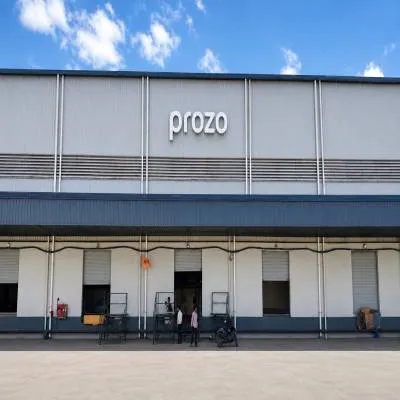
Warehousing transaction volumes scale record high, growing 62 per cent YoY
Read full article
CW Gold Benefits
- Weekly Industry Updates
- Industry Feature Stories
- Premium Newsletter Access
- Building Material Prices (weekly) + trends/analysis
- Best Stories from our sister publications - Indian Cement Review, Equipment India, Infrastructure Today
- Sector focused Research Reports
- Sector Wise Updates (infrastructure, cement, equipment & construction) + trend analysis
- Exclusive text & video interviews
- Digital Delivery
- Financial Data for publically listed companies + Analysis
- Preconceptual Projects in the pipeline PAN India
Related Stories



Gold Stories



We aim to become the single source of truth for project information
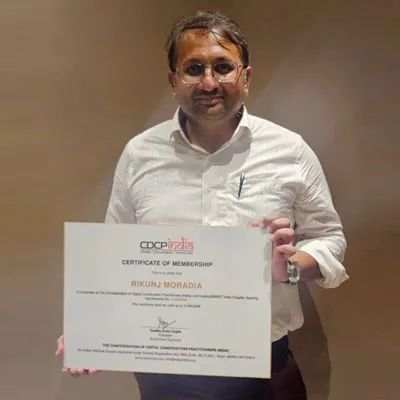
Every construction project depends on one critical element: the right drawing reaching the right person at the right time. But fragmented workflows often create costly delays. Rikunj Moradia, Founder, SyncDrawings, explains how digital drawing management can transform project execution.What gap in the construction ecosystem led to the creation of SyncDrawings?I come from a construction background and also run a BIM services firm. During our work, one recurring challenge was drawing accessibility. Construction is completely dependent on drawings, but the way they are managed remains fragmented ..

We develop tyres around what customers actually need: Rubberking
At bauma CONEXPO India 2026, Rubber King Tyres showcased its focus on application-specific tyre solutions, including eco-friendly tyres, solid tyres and products for specialised industrial and port applications. In conversation with Kavita Parab during the exhibition, Devin Gawarvala, Entrepreneurial Founder and Director, Rubber King Tyres, discusses the company’s approach to product development, the growing acceptance of high-performance tyres made in India and its plans to expand into larger OTR and solid tyre applications.What were the key products and technologies showcased by Rubbe..

Fieldmarshal Targets 10-15 Per Cent Share in Sub-20 HP Tractors
Rajkot-based diesel engine manufacturer Fieldmarshal PM Diesels has launched new single-cylinder diesel engines in the 15 HP and 18 HP categories as it targets a 10 to 15 per cent share of India’s below-20 HP tractor segment within three years. The engines comply with the latest Tractor Emission Stage V (TREM V) norms, which are equivalent to BS VI emission standards for vehicles, and have been approved by the Automotive Research Association of India (ARAI). The company said the products were developed for compact tractors and agricultural machinery, with a focus on fuel efficiency and durab..
Related Articles
Latest Updates