+
 DTFs to conduct extensive market survey for Single-Use Plastic
WATER & WASTE

DTFs to conduct extensive market survey for Single-Use Plastic

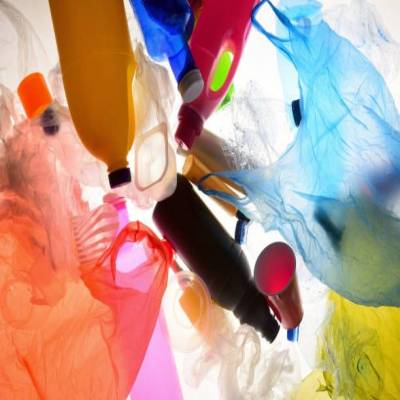
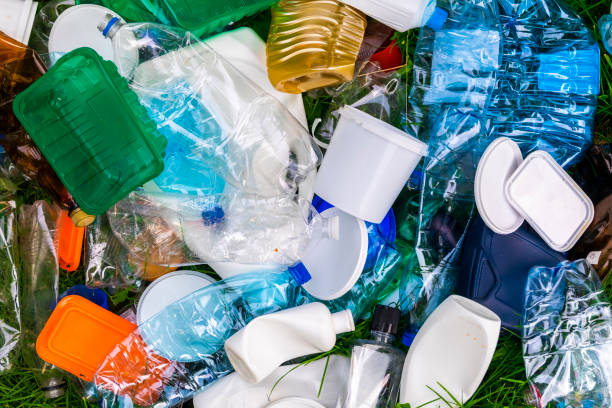
As the date of implementation of the ban on single-use plastic across the Nagaland draws closer, the Special Task Force (STF) on Plastic Waste Management (Amendment) Rules 2021 and the elimination of Single-Use Plastic (SUP) has decided that the District Task Force (DTFs) would perform an extensive market survey for assessment of the availability of SUPs in the market.

The STF, which held its first meeting on June 2, 2022, under the chairmanship of the chief secretary, J Alam, talked about the requirement to conduct an extensive survey for identified SUP waste generation. It may be cited that manufacture, distribution, sale, import, stocking, and use of single-use plastic including polystyrene and expanded polystyrene commodities would be banned from July 1, 2022, according to a DIPR report.

At the meeting, the members recommended that shops, vendors, and commercial buildings keep two separate bins for the segregation of waste at the source. In this regard, the chief secretary highlighted the requirement to update the waste collection system. He advised that separate trucks or trucks with separate containers and chambers be used for waste collection.

The house decided that each town and Urban Local Bodies (ULB) have its action plan according to its requirement and circumstances.

On the problem of checking and inspection, the chief secretary reminded the house that intensifying assessment and monitoring of stockists and vendors of specified SUP should be carried out stringently. He, however, said that they should avoid nagging vendors. Further, the house decided that fines on traders and vendors dealing with non-permitted plastics would be charged and collected on the spot.

It was decided that booklets along with samples of banned items would be sent to all ULBs and DTFs for ready reference for systematic identification and monitoring of SUPs.

The house consented that due importance should be given to encouraging the practice of carrying own bags while shopping and also facilitating the use of jute bags.

In this regard, the suggestions were made to tie up with telecom service providers to serve reminders in the form of SMS, flash messages, etc to inspire shoppers to take their bags while shopping.

The meeting consented that tea stalls should use only stainless steel, paper cups, glass, earthen cups, or any other permissible material other than plastic.

Image Source

Also read: 78% of e-waste not disposed off by the government: Report

As the date of implementation of the ban on single-use plastic across the Nagaland draws closer, the Special Task Force (STF) on Plastic Waste Management (Amendment) Rules 2021 and the elimination of Single-Use Plastic (SUP) has decided that the District Task Force (DTFs) would perform an extensive market survey for assessment of the availability of SUPs in the market. The STF, which held its first meeting on June 2, 2022, under the chairmanship of the chief secretary, J Alam, talked about the requirement to conduct an extensive survey for identified SUP waste generation. It may be cited that manufacture, distribution, sale, import, stocking, and use of single-use plastic including polystyrene and expanded polystyrene commodities would be banned from July 1, 2022, according to a DIPR report. At the meeting, the members recommended that shops, vendors, and commercial buildings keep two separate bins for the segregation of waste at the source. In this regard, the chief secretary highlighted the requirement to update the waste collection system. He advised that separate trucks or trucks with separate containers and chambers be used for waste collection. The house decided that each town and Urban Local Bodies (ULB) have its action plan according to its requirement and circumstances. On the problem of checking and inspection, the chief secretary reminded the house that intensifying assessment and monitoring of stockists and vendors of specified SUP should be carried out stringently. He, however, said that they should avoid nagging vendors. Further, the house decided that fines on traders and vendors dealing with non-permitted plastics would be charged and collected on the spot. It was decided that booklets along with samples of banned items would be sent to all ULBs and DTFs for ready reference for systematic identification and monitoring of SUPs. The house consented that due importance should be given to encouraging the practice of carrying own bags while shopping and also facilitating the use of jute bags. In this regard, the suggestions were made to tie up with telecom service providers to serve reminders in the form of SMS, flash messages, etc to inspire shoppers to take their bags while shopping. The meeting consented that tea stalls should use only stainless steel, paper cups, glass, earthen cups, or any other permissible material other than plastic. Image Source Also read: 78% of e-waste not disposed off by the government: Report

Related Stories

Gold Stories

Next Story
Infrastructure Urban

KONE Opens India's First Digital Experience Centre in Pune

KONE, a global elevator and escalator manufacturer, has inaugurated its first Digital Experience Centre (DEC) in India, located in Pune. The facility aims to showcase how artificial intelligence (AI), connectivity and data-driven technologies can enhance customer experiences and improve building operations.The centre was inaugurated by Jussi Herlin, Executive Vice Chair, KONE Corporation; Philippe Delorme, President and CEO, KONE; and Nandan Nilekani, Co-founder and Chairman of the Board, Infosys.Designed as an interactive customer environment, the facility demonstrates digital solutions cover..

Next Story
Infrastructure Urban

CII GreenCo Launches Circularity Guidelines for Indian Industry

The Confederation of Indian Industry (CII) GreenCo Council has launched the CII GreenCo Circularity Guidelines – Pilot Version at the 17th CII GreenCo Waste & Resource Management Summit 2026 in Chennai. The initiative aims to strengthen resource efficiency, waste reduction and circular economy practices across Indian manufacturing and process industries.The guidelines introduce a structured framework with circularity indices covering raw materials, consumables, packaging and other resource inputs. These indicators will help industries assess existing practices, identify opportunities to ..

Next Story
Infrastructure Energy

Global Electronics Association Launches IPC-1783-CO2E Standard

The Global Electronics Association has introduced IPC-1783-CO2E, a new international standard aimed at improving consistency, transparency and comparability in product carbon footprint reporting across the electronics manufacturing industry.The standard, titled International Standard for Data Collection and Reporting of CO2 Equivalent (CO2e) Emissions for the Electronics Manufacturing Supply Chain, provides industry-specific guidance for collecting, estimating and reporting carbon emissions data.With increasing regulatory requirements and customer expectations, electronics manufacturers face c..

Advertisement

Subscribe to Our Newsletter

Get daily newsletters around different themes from Construction world.

STAY CONNECTED

Advertisement

SPECIAL OFFER
QR Code