+
DJB receives Rs 12.51 bn boost for water projects in Delhi
WATER & WASTE

DJB receives Rs 12.51 bn boost for water projects in Delhi

The Delhi Jal Board (DJB), as per the revised budget estimates, has been allocated approximately Rs 12.5115 billion in grants and loans for various projects. A significant portion of this allocation comprises grants-in-aid to support the financially struggling board. Specifically, the revised estimate includes Rs 652.6 million for raw water treatment and Rs 2362.8 million as grants-in-aid for ensuring a potable water supply in unauthorised colonies.

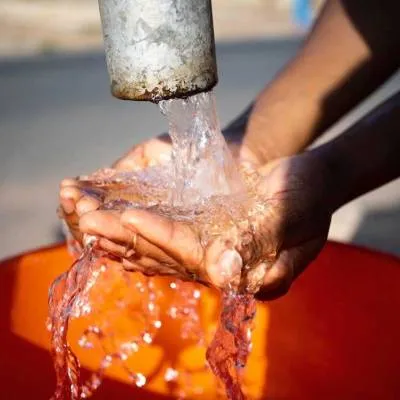
In its commitment to enhancing clean drinking water infrastructure, the Delhi government is undertaking projects such as the establishment of 400 reverse-osmosis plants connected to water ATMs providing free drinking water.

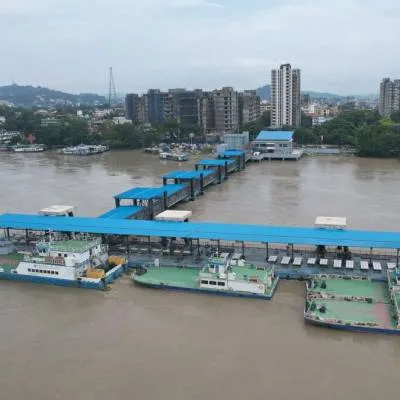
For the rejuvenation of the Yamuna, a grant-in-aid of Rs 702.7 million has been provided to the DJB. The government aims to revive the Yamuna by 2025 and has identified four focus areas for this purpose. A sum of Rs 681.3 million has been allotted to DJB for utilising treated water and establishing infrastructure related to horticulture.

Additionally, five loans will be extended to the board, covering various initiatives. These include a loan for the rehabilitation of the sewerage network under Yamuna Action Plan-3. Another loan will be provided to cover Delhi's share of Rs 15 million in the Centre's projects. To address the issue of untreated sewage from unauthorised colonies flowing into the Yamuna, Rs 5 million loan has been allocated for developing necessary infrastructure. Furthermore, Rs 12.9 million loan is designated for the improvement of existing water infrastructure, and Rs 5.7 million loan will be granted for the construction and maintenance of tube wells.

To support the DJB's efforts in cleaning and replacing old distribution systems and trunk transmission lines underground, a loan of Rs 34 million will be disbursed.

The Delhi Jal Board (DJB), as per the revised budget estimates, has been allocated approximately Rs 12.5115 billion in grants and loans for various projects. A significant portion of this allocation comprises grants-in-aid to support the financially struggling board. Specifically, the revised estimate includes Rs 652.6 million for raw water treatment and Rs 2362.8 million as grants-in-aid for ensuring a potable water supply in unauthorised colonies. In its commitment to enhancing clean drinking water infrastructure, the Delhi government is undertaking projects such as the establishment of 400 reverse-osmosis plants connected to water ATMs providing free drinking water. For the rejuvenation of the Yamuna, a grant-in-aid of Rs 702.7 million has been provided to the DJB. The government aims to revive the Yamuna by 2025 and has identified four focus areas for this purpose. A sum of Rs 681.3 million has been allotted to DJB for utilising treated water and establishing infrastructure related to horticulture. Additionally, five loans will be extended to the board, covering various initiatives. These include a loan for the rehabilitation of the sewerage network under Yamuna Action Plan-3. Another loan will be provided to cover Delhi's share of Rs 15 million in the Centre's projects. To address the issue of untreated sewage from unauthorised colonies flowing into the Yamuna, Rs 5 million loan has been allocated for developing necessary infrastructure. Furthermore, Rs 12.9 million loan is designated for the improvement of existing water infrastructure, and Rs 5.7 million loan will be granted for the construction and maintenance of tube wells. To support the DJB's efforts in cleaning and replacing old distribution systems and trunk transmission lines underground, a loan of Rs 34 million will be disbursed.

Related Stories

Gold Stories

Next Story
Infrastructure Urban

Insurance is not a cost; it is protection for the balance sheet

As infrastructure projects grow larger and more complex, their risk profiles are evolving beyond physical damage. Underinsurance, business interruption, supply-chain disruptions, climate volatility, surety and transactional exposures can all have significant financial consequences. Mohan Agrawal, Director and Business Lead - Construction, Infra & Warehousing, EDME Insurance Brokers, discusses these emerging risks and the gaps in conventional insurance practices in a conversation with KAVITA PARAB, CW. He explains why infrastructure players need to view insurance not merely as a cost, but a..

Next Story
Equipment

Optimising Earthmoving

Constituting India’s biggest fleet of construction equipment by type, earthmovers positively impact project outcomes and company bottomlines if best practices are adopted. Here’s a guide from CW.Select the right machineOne of the biggest challenges in using earthmovers isn’t machine failure but using the wrong machine configuration for the application, according to Chaitanya Bhagde, P&M Head, SHC Projects. “Unless equipment is deployed after considering the soil type, excavation depth, haul distance and production target, the application will face low productivity, longer time depl..

Next Story
Real Estate

We engineer the way architecture gets built

DALBIR SINGH, Founder, HAACE, on the company’s bespoke approach to translating ambitious architecture into precisely engineered and executed structures.What does bespoke construction mean to HAACE, and how is it different from conventional contracting?For HAACE, bespoke construction means choosing the construction methodology around the design rather than forcing the design into a standard template. Every project is studied around its architectural intent, structural requirements and execution challenges. We deliberately take on a limited number of projects because this approach demands atte..

Advertisement

Subscribe to Our Newsletter

Get daily newsletters around different themes from Construction world.

STAY CONNECTED

Advertisement

SPECIAL OFFER
QR Code