Dr Jitendra Launches India’s First Biomedical Waste Plant at AIIMS
WATER & WASTE

Dr Jitendra Launches India’s First Biomedical Waste Plant at AIIMS

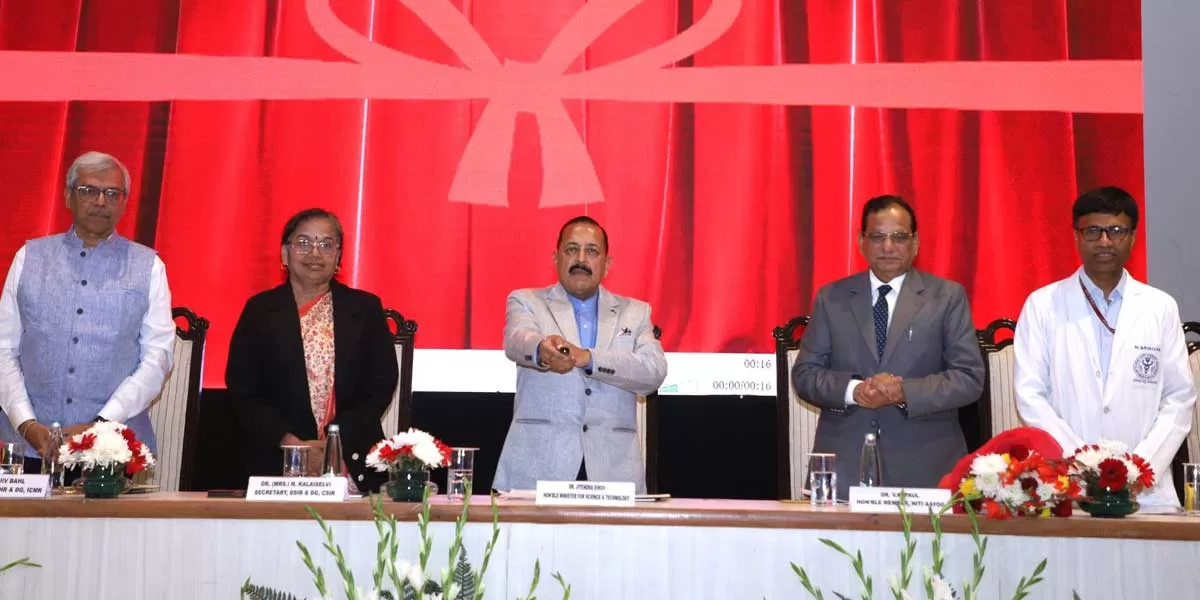
Dr Jitendra Singh, Union Minister, launched India’s first indigenous Automated Biomedical Waste Treatment Plant at AIIMS New Delhi. The plant, named “Srjanam,” was dedicated to the nation in a ceremony held at the AIIMS auditorium. After the formal launch, Dr Singh, accompanied by Director General of CSIR Dr N Kalaisevi and AIIMS Director Dr M Srinivas, visited the site within the AIIMS premises to activate the machinery.

Developed by CSIR-NIIST (National Institute for Interdisciplinary Science and Technology), this innovative technology marks a significant leap in sustainable biomedical waste management. The “Srjanam” rig is capable of disinfecting hazardous biomedical waste, including blood, urine, sputum, and laboratory disposables, without the need for expensive and energy-intensive incinerators. The rig also neutralises foul odours, imparting a pleasant fragrance to the treated waste. With an initial capacity to process 10 kg of waste per day, the rig will be capable of handling 400 kg of waste daily once fully operational and validated.

This environmentally friendly solution offers a safer and more efficient method for waste disposal, reducing the risks of human exposure to harmful substances and preventing spills. The technology has been third-party validated for its antimicrobial effectiveness, and studies show that the treated waste is safer than organic fertilizers like vermicompost.

Dr Singh praised CSIR-NIIST for developing this cost-effective, eco-friendly waste disposal solution. He highlighted the growing challenge of biomedical waste management, as India generates 743 tonnes of biomedical waste daily. The new technology provides a sustainable alternative to traditional incineration methods, addressing a critical environmental concern.

The launch was attended by several distinguished dignitaries, including Dr V K Paul of NITI Aayog and Dr Rajiv Bahl of ICMR.

News source: Daily Excelsior

Dr Jitendra Singh, Union Minister, launched India’s first indigenous Automated Biomedical Waste Treatment Plant at AIIMS New Delhi. The plant, named “Srjanam,” was dedicated to the nation in a ceremony held at the AIIMS auditorium. After the formal launch, Dr Singh, accompanied by Director General of CSIR Dr N Kalaisevi and AIIMS Director Dr M Srinivas, visited the site within the AIIMS premises to activate the machinery. Developed by CSIR-NIIST (National Institute for Interdisciplinary Science and Technology), this innovative technology marks a significant leap in sustainable biomedical waste management. The “Srjanam” rig is capable of disinfecting hazardous biomedical waste, including blood, urine, sputum, and laboratory disposables, without the need for expensive and energy-intensive incinerators. The rig also neutralises foul odours, imparting a pleasant fragrance to the treated waste. With an initial capacity to process 10 kg of waste per day, the rig will be capable of handling 400 kg of waste daily once fully operational and validated. This environmentally friendly solution offers a safer and more efficient method for waste disposal, reducing the risks of human exposure to harmful substances and preventing spills. The technology has been third-party validated for its antimicrobial effectiveness, and studies show that the treated waste is safer than organic fertilizers like vermicompost. Dr Singh praised CSIR-NIIST for developing this cost-effective, eco-friendly waste disposal solution. He highlighted the growing challenge of biomedical waste management, as India generates 743 tonnes of biomedical waste daily. The new technology provides a sustainable alternative to traditional incineration methods, addressing a critical environmental concern. The launch was attended by several distinguished dignitaries, including Dr V K Paul of NITI Aayog and Dr Rajiv Bahl of ICMR. News source: Daily Excelsior

Related Stories

Gold Stories

Next Story
Resources

Schindler named among Forbes’ World’s Best Employers 2026

Schindler has been named among Forbes’ World’s Best Employers 2026, a global ranking recognising companies for their workplace environments.Compiled by Forbes in partnership with Statista, the ranking is based on independent employee feedback, including whether employees would recommend their organisation to friends and family.The company said the recognition reflected its focus on creating a workplace where employees can develop their expertise and build careers. ..
Next Story
Infrastructure Urban

India needs an export-execution mindset: Vishesh Jain

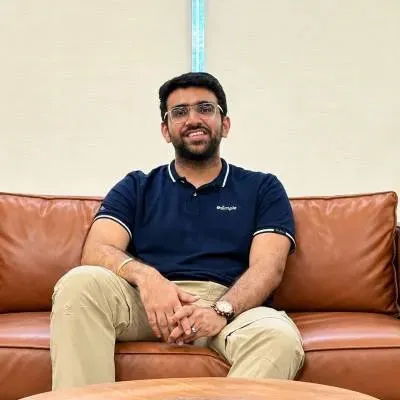
Interview with Vishesh Jain, Founder & CEO, EximpleWhat gaps in India’s global trade ecosystem led you to build Eximple, and what problem did you see businesses struggling with most?Eximple came out of a problem that all three founders had seen from different choke points in the trade ecosystem. India has millions of MSMEs and manufacturers, and many of them can make products that are genuinely competitive on quality. Yet only a small fraction is able to build meaningful international businesses. In our experience, the gap is usually not manufacturing capability; it is the ability to exe..

Next Story
Building Material

Nuvoco reports 13.5% revenue growth in Q2 FY27

Nuvoco Vistas Corp. Ltd. reported consolidated revenue of Rs 27.9 billion for Q2 FY27, up 13.5% year on year. Cement sales volume rose 9% to 4.7 million tonnes (MMT), while EBITDA increased 11% to Rs 4.11 billion.The company said it began its cement operations in 2014 with a 2.3 MMT per annum (MMTPA) operation at Nimbol. It now aims to reach 35 MMTPA of cement capacity by FY28, nearly 15 times its initial capacity. Its portfolio spans cement, ready-mix concrete and modern building materials.On sustainability and cost efficiency, Nuvoco partnered with CleanMax for a 46.4 MW wind-solar hybrid re..

Advertisement

Subscribe to Our Newsletter

Get daily newsletters around different themes from Construction world.

STAY CONNECTED

Advertisement

SPECIAL OFFER
QR Code