+
GCDA to scale up stadium sewage plant to full 750 KLD capacity
WATER & WASTE

GCDA to scale up stadium sewage plant to full 750 KLD capacity

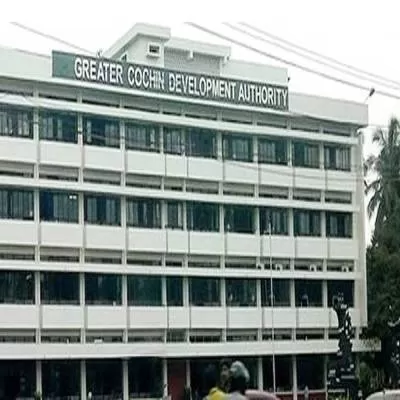
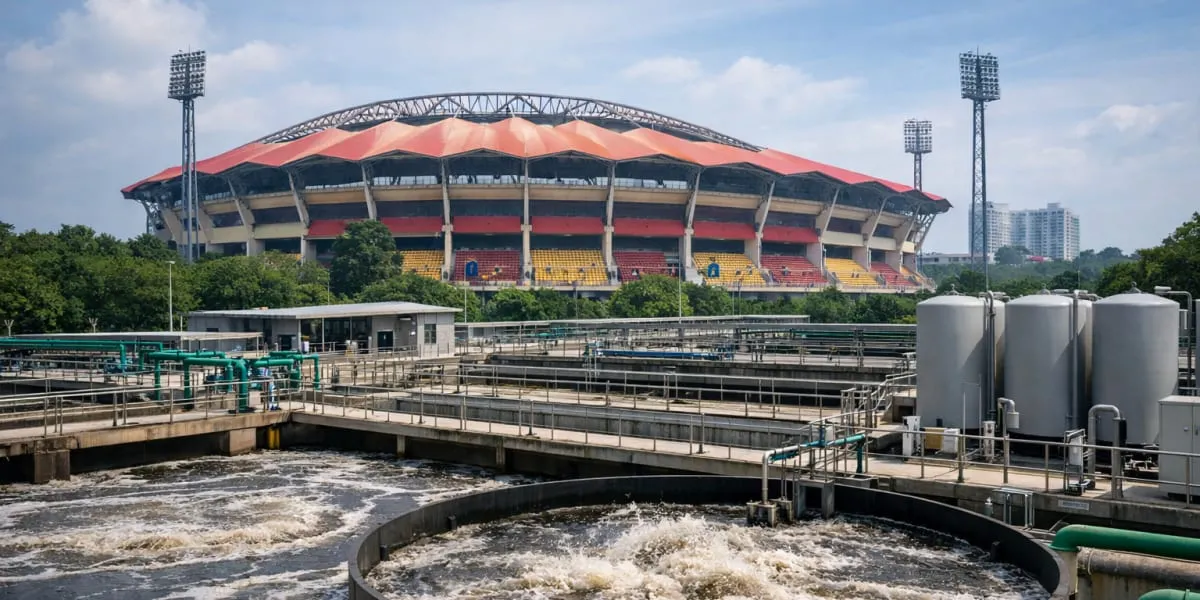
The Greater Cochin Development Authority will open the sewage treatment plant at the Jawaharlal Nehru International Stadium, Kaloor, to treat sewage generated beyond the stadium premises. Operations will be scaled up to the full installed capacity of 750 kilolitres per day (KLD). The move followed observations by the National Green Tribunal that the GCDA’s intervention was necessary in the Corporation’s waste management and both bodies were made parties to the case, after which the GCDA decided to utilise the STP for outside waste.

The plant is expected to become fully operational shortly and the GCDA said residents would be taken into confidence. Awareness campaigns will be launched to stress the importance of proper sewage treatment in reducing health risks and ensuring a cleaner environment for future generations. Officials indicated that public engagement would be central to the success of the expanded operations.

A technical committee headed by the District Collector and comprising representatives of the Kerala State Pollution Control Board, Suchitwa Mission, the Corporation secretary, the GCDA secretary, the Kerala Water Authority and university experts approved a detailed proposal which later received government sanction. Officials said hundreds of thousands of Rs had earlier been spent annually on maintaining the plant and that operating it at full capacity would eliminate maintenance costs and generate assured revenue through load-based charges for sewage brought from outside.

Kochi is estimated to generate 82 million (mn) litres per day of sewage, comprising toilet, kitchen and bath effluents, and at present only three to six per cent of this is treated, leaving 90 to 95 per cent of liquid waste to flow untreated into the surroundings. While the stadium plant can treat less than one per cent of the city’s sewage the GCDA considers it a significant contribution. Treatment capacity will need to be scaled up to 105 million (mn) litres per day in keeping with the city’s projected population by 2041 and to 150-200 mn litres per day in the longer term, and the GCDA said it would continue to expand facilities, including through public-private partnerships, and urged full public cooperation in viewing waste management as a shared responsibility.

The Greater Cochin Development Authority will open the sewage treatment plant at the Jawaharlal Nehru International Stadium, Kaloor, to treat sewage generated beyond the stadium premises. Operations will be scaled up to the full installed capacity of 750 kilolitres per day (KLD). The move followed observations by the National Green Tribunal that the GCDA’s intervention was necessary in the Corporation’s waste management and both bodies were made parties to the case, after which the GCDA decided to utilise the STP for outside waste. The plant is expected to become fully operational shortly and the GCDA said residents would be taken into confidence. Awareness campaigns will be launched to stress the importance of proper sewage treatment in reducing health risks and ensuring a cleaner environment for future generations. Officials indicated that public engagement would be central to the success of the expanded operations. A technical committee headed by the District Collector and comprising representatives of the Kerala State Pollution Control Board, Suchitwa Mission, the Corporation secretary, the GCDA secretary, the Kerala Water Authority and university experts approved a detailed proposal which later received government sanction. Officials said hundreds of thousands of Rs had earlier been spent annually on maintaining the plant and that operating it at full capacity would eliminate maintenance costs and generate assured revenue through load-based charges for sewage brought from outside. Kochi is estimated to generate 82 million (mn) litres per day of sewage, comprising toilet, kitchen and bath effluents, and at present only three to six per cent of this is treated, leaving 90 to 95 per cent of liquid waste to flow untreated into the surroundings. While the stadium plant can treat less than one per cent of the city’s sewage the GCDA considers it a significant contribution. Treatment capacity will need to be scaled up to 105 million (mn) litres per day in keeping with the city’s projected population by 2041 and to 150-200 mn litres per day in the longer term, and the GCDA said it would continue to expand facilities, including through public-private partnerships, and urged full public cooperation in viewing waste management as a shared responsibility.

Next Story
Infrastructure Urban

India Expands Semiconductor Training To 500 Institutions

Under the Chips to Startups programme of the India Semiconductor Mission, the Union minister responsible for Railways, Information and Broadcasting, and Electronics and IT reported notable progress in talent development. He indicated that over the past four years substantial steps have been taken towards a 10-year target of training 85,000 engineers in semiconductor design. World-class EDA tools have been deployed in 315 academic institutions across the country to provide students with practical exposure to chip design. These EDA tools are supported by leading global firms and are accessible t..

Next Story
Infrastructure Urban

Delhi Institutions Support India Semiconductor Mission

The Government of India has prioritised talent development through training, upskilling and workforce development under the Chips to Startups initiative of the India Semiconductor Mission, with officials noting progress in four years towards a 10-year target of training 85,000 engineers in semiconductor design. Electronic design automation tools provided by Synopsys, Cadence, Siemens, Renesas, Ansys and AMD have been deployed in 315 academic institutions, enabling students to gain practical chip design experience. Chips have been fabricated and tested at the Semiconductor Laboratory, Mohali, a..

Next Story
Infrastructure Urban

NHA Announces Winners Of NHCX Hackathon At IIT Hyderabad

The National Health Authority (NHA) has concluded the NHCX Hackathon under the Ayushman Bharat Digital Mission (ABDM) to stimulate innovation around the National Health Claims Exchange (NHCX). The winning teams presented their solutions at the NHCX Innovation Meet held at IIT Hyderabad during a two-day event in March 2026 that also served as the hackathon grand finale. The hackathon itself ran from 22 to 28 February 2026 and aimed to accelerate paperless, transparent claims processing across India. The event was organised with a range of ecosystem partners, including the Insurance Regulatory a..

Advertisement

Subscribe to Our Newsletter

Get daily newsletters around different themes from Construction world.

STAY CONNECTED

Advertisement

Advertisement

Advertisement