+
Kerala allots Rs 50 cr for phase 1 of water body management
WATER & WASTE

Kerala allots Rs 50 cr for phase 1 of water body management

Kerala finance minister K N Balagopal has declared a comprehensive package for a better system in the management of water bodies in the state after taking the recommendations of the Post Disaster Need Assessment (PDNA) report published after the 2018 floods.

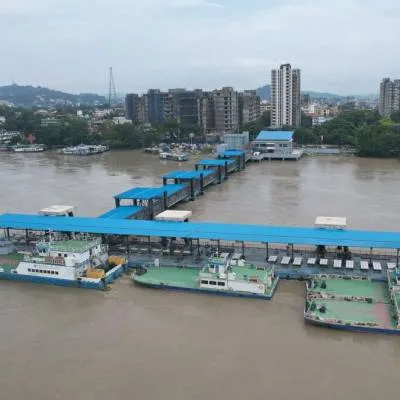
Since Cyclone Ockhi, Kerala has been facing a series of disasters leading to frequent flooding, landslides, and sea inundation. Unprecedented heavy rainfall and poor dam water management system have led to massive floods, which saw the state looking for solutions to prevent a repeat of this disaster.

An amount of Rs 50 crore is allocated for the first phase of this project with an expected expenditure of Rs 500 crore.

Precautionary measures such as new rule curves for dams, clearing clay and sediments from dams have been scheduled.

The report studies various systems such as room for the river, living with water and eco-friendly construction’. Floods could be contained by augmenting and improving the water-carrying capacity of various water bodies and river basin systems. ‘Room for the River’ principles is recommended to lower flood-water levels in rivers by increasing the wet areas of the rivers.

The comprehensive project will be implemented by multi-departmental coordination including the water resources, environment, and local self-government.

Policies and rules to ensure waste in water bodies are also in the pipeline as it could lead to stagnation and breeding ground for diseases and death of fishes.

Image Source


Also read: Design module for disaster management healthcare units

Kerala finance minister K N Balagopal has declared a comprehensive package for a better system in the management of water bodies in the state after taking the recommendations of the Post Disaster Need Assessment (PDNA) report published after the 2018 floods. Since Cyclone Ockhi, Kerala has been facing a series of disasters leading to frequent flooding, landslides, and sea inundation. Unprecedented heavy rainfall and poor dam water management system have led to massive floods, which saw the state looking for solutions to prevent a repeat of this disaster. An amount of Rs 50 crore is allocated for the first phase of this project with an expected expenditure of Rs 500 crore. Precautionary measures such as new rule curves for dams, clearing clay and sediments from dams have been scheduled. The report studies various systems such as room for the river, living with water and eco-friendly construction’. Floods could be contained by augmenting and improving the water-carrying capacity of various water bodies and river basin systems. ‘Room for the River’ principles is recommended to lower flood-water levels in rivers by increasing the wet areas of the rivers. The comprehensive project will be implemented by multi-departmental coordination including the water resources, environment, and local self-government. Policies and rules to ensure waste in water bodies are also in the pipeline as it could lead to stagnation and breeding ground for diseases and death of fishes. Image Source Also read: Design module for disaster management healthcare units

Next Story
Infrastructure Urban

India Expands Semiconductor Training To 500 Institutions

Under the Chips to Startups programme of the India Semiconductor Mission, the Union minister responsible for Railways, Information and Broadcasting, and Electronics and IT reported notable progress in talent development. He indicated that over the past four years substantial steps have been taken towards a 10-year target of training 85,000 engineers in semiconductor design. World-class EDA tools have been deployed in 315 academic institutions across the country to provide students with practical exposure to chip design. These EDA tools are supported by leading global firms and are accessible t..

Next Story
Infrastructure Urban

Delhi Institutions Support India Semiconductor Mission

The Government of India has prioritised talent development through training, upskilling and workforce development under the Chips to Startups initiative of the India Semiconductor Mission, with officials noting progress in four years towards a 10-year target of training 85,000 engineers in semiconductor design. Electronic design automation tools provided by Synopsys, Cadence, Siemens, Renesas, Ansys and AMD have been deployed in 315 academic institutions, enabling students to gain practical chip design experience. Chips have been fabricated and tested at the Semiconductor Laboratory, Mohali, a..

Next Story
Infrastructure Urban

NHA Announces Winners Of NHCX Hackathon At IIT Hyderabad

The National Health Authority (NHA) has concluded the NHCX Hackathon under the Ayushman Bharat Digital Mission (ABDM) to stimulate innovation around the National Health Claims Exchange (NHCX). The winning teams presented their solutions at the NHCX Innovation Meet held at IIT Hyderabad during a two-day event in March 2026 that also served as the hackathon grand finale. The hackathon itself ran from 22 to 28 February 2026 and aimed to accelerate paperless, transparent claims processing across India. The event was organised with a range of ecosystem partners, including the Insurance Regulatory a..

Advertisement

Subscribe to Our Newsletter

Get daily newsletters around different themes from Construction world.

STAY CONNECTED

Advertisement

Advertisement

Advertisement