+
Ludhiana seeks high with waste-to-energy proposal
WATER & WASTE

Ludhiana seeks high with waste-to-energy proposal

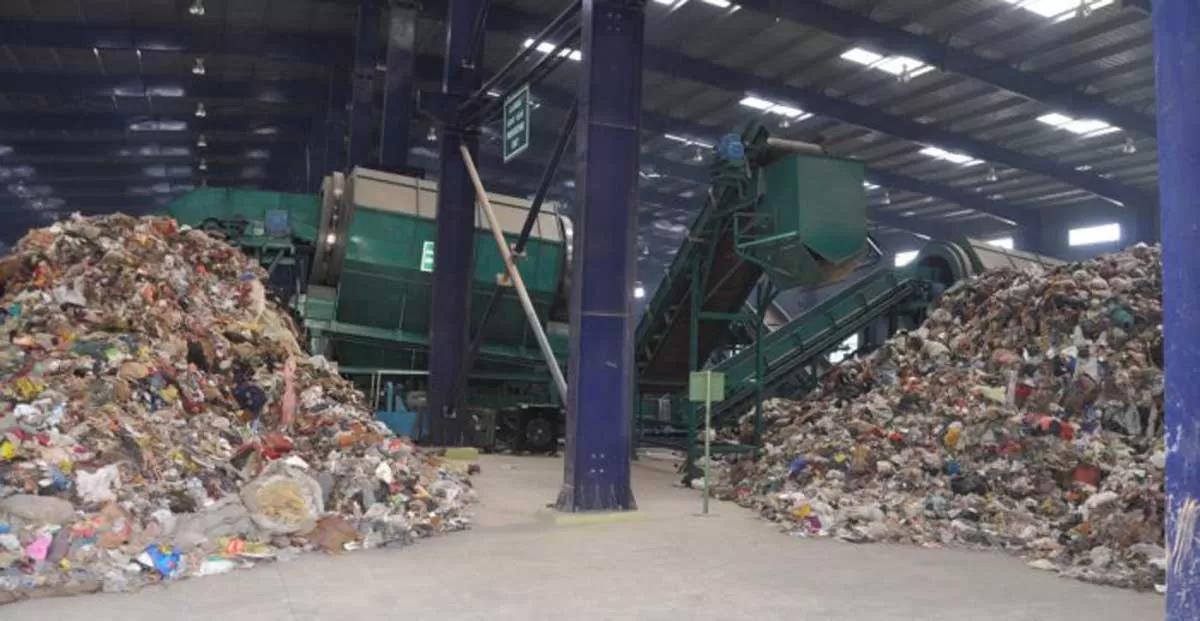
Ludhiana Municipal Corporation has taken a significant step towards sustainable waste management by submitting a proposal to the Punjab Municipal Infrastructure Development Company (PMIDC) for the establishment of a cutting-edge waste-to-energy plant in the city. This ambitious initiative aligns with Ludhiana's commitment to environmental conservation and finding innovative solutions to address the growing challenge of waste disposal.

The proposed waste-to-energy plant is designed to convert municipal solid waste into valuable energy resources, contributing to both environmental sustainability and efficient resource utilization. With an increasing population and urbanization, Ludhiana faces escalating waste generation, making it imperative to adopt advanced technologies for waste management.

The project aims to leverage state-of-the-art technologies to ensure the environmentally responsible disposal of waste while simultaneously harnessing the energy potential inherent in the discarded materials. This dual-purpose approach not only tackles the issue of waste accumulation but also addresses the rising energy demands of Ludhiana.

The Ludhiana Municipal Corporation's proposal outlines a comprehensive plan that includes waste collection, segregation, and the use of advanced incineration methods to extract energy from non-recyclable waste. The incorporation of eco-friendly practices and adherence to stringent environmental standards underscore the city's commitment to a green and sustainable future.

Key stakeholders in this venture, including the PMIDC, are optimistic about the positive impact of the waste-to-energy plant on Ludhiana's environment and public health. If approved, this project could serve as a model for other cities grappling with similar waste management challenges across the nation.

In summary, Ludhiana's pursuit of a waste-to-energy solution signifies a forward-thinking approach to urban sustainability. By transforming waste into a valuable energy resource, the city aims to create a cleaner, greener, and more energy-efficient future for its residents.

Ludhiana Municipal Corporation has taken a significant step towards sustainable waste management by submitting a proposal to the Punjab Municipal Infrastructure Development Company (PMIDC) for the establishment of a cutting-edge waste-to-energy plant in the city. This ambitious initiative aligns with Ludhiana's commitment to environmental conservation and finding innovative solutions to address the growing challenge of waste disposal. The proposed waste-to-energy plant is designed to convert municipal solid waste into valuable energy resources, contributing to both environmental sustainability and efficient resource utilization. With an increasing population and urbanization, Ludhiana faces escalating waste generation, making it imperative to adopt advanced technologies for waste management. The project aims to leverage state-of-the-art technologies to ensure the environmentally responsible disposal of waste while simultaneously harnessing the energy potential inherent in the discarded materials. This dual-purpose approach not only tackles the issue of waste accumulation but also addresses the rising energy demands of Ludhiana. The Ludhiana Municipal Corporation's proposal outlines a comprehensive plan that includes waste collection, segregation, and the use of advanced incineration methods to extract energy from non-recyclable waste. The incorporation of eco-friendly practices and adherence to stringent environmental standards underscore the city's commitment to a green and sustainable future. Key stakeholders in this venture, including the PMIDC, are optimistic about the positive impact of the waste-to-energy plant on Ludhiana's environment and public health. If approved, this project could serve as a model for other cities grappling with similar waste management challenges across the nation. In summary, Ludhiana's pursuit of a waste-to-energy solution signifies a forward-thinking approach to urban sustainability. By transforming waste into a valuable energy resource, the city aims to create a cleaner, greener, and more energy-efficient future for its residents.

Related Stories

Gold Stories

Next Story
Infrastructure Transport

97 Per Cent Of Rongjeng-Mangsang-Adokgre Road Nears Completion

Deputy Chief Minister in-charge of public works Prestone Tynsong said in Shillong on 26 August that 97 per cent physical progress had been achieved on the ongoing Rongjeng-Mangsang-Adokgre road being constructed under the Non-Lapsable Central Pool of Resources (NLCPR). He noted the project was sanctioned in 2017 and that the stipulated time for completion had been 24 months from issue of the final work order. The deputy chief minister informed the assembly that the government had decided to include the remaining work under a World Bank project. In reply to a query from Rongjeng MLA Jim M Sangm..

Next Story
Infrastructure Transport

First TBM Starts Digging Five Point Three Kilometre Tunnel Under SGNP

The Goregaon-Mulund Link Road (GMLR) Phase three (B) project has reached a key milestone as the first tunnel boring machine (TBM) began excavation of the first of two tunnels beneath the Sanjay Gandhi National Park (SGNP). The machine, named Tulsi, started cutting a five point three kilometre bore that will link Dadasaheb Phalke Chitranagari in Goregaon East with Amar Nagar in Mulund West. Officials issued a statement noting the commencement of tunnelling work under the protected green belt. The twin tunnels are being constructed using mechanised tunnelling methods that aim to limit surface di..

Next Story
Infrastructure Transport

UP Approves Two Expressways And Rs 240 bn Infrastructure Push

The Uttar Pradesh Cabinet approved a series of infrastructure and industrial investment proposals totalling Rs 240 billion (Rs 240 bn), including two major expressway projects, a manufacturing and logistics cluster in Sultanpur and incentives for 11 industrial projects across the state. The decisions, taken at a meeting chaired by Chief Minister Yogi Adityanath, underline the state government’s focus on expanding road connectivity around emerging industrial hubs while attracting manufacturing investment to districts beyond major urban centres. The approvals cover both greenfield expressway c..

Advertisement

Subscribe to Our Newsletter

Get daily newsletters around different themes from Construction world.

STAY CONNECTED

Advertisement

SPECIAL OFFER
QR Code