

Nellore takes steps toward a waste-free city
WATER & WASTE

Nellore takes steps toward a waste-free city

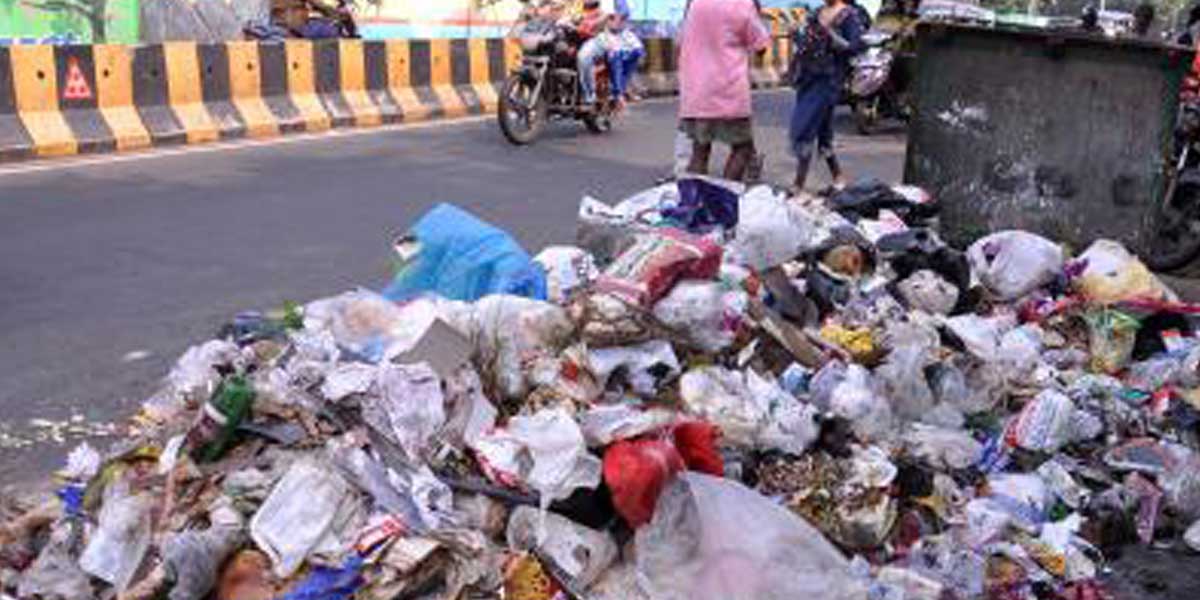
In a determined effort to manage waste effectively and transform the city into a waste-free zone, the Nellore Municipal Corporation is actively engaging the public, encouraging them to hand over their waste to civic staff. To discourage residents from dumping waste in public areas, fines are being imposed on violators.

Spanning an area of 150 sq km, Nellore produces between 250 to 300 metric tonnes of solid waste daily. Currently, waste collected from 54 divisions is transported to a transit point at Bodigadithota before being relocated to outskirts of the city.

In order to ensure cleanliness in the city and promote the proper disposal of garbage, the NMC is placing great emphasis on educating the public about segregating wet and dry waste at the source, which can be subsequently recycled.

Municipal Commissioner Vikas Marmat urges the cooperation of the public in working together with the authorities. He stated, "By joining forces, the people and the municipal corporation can contribute to waste recycling, with the resulting output being converted into bio-fertilizers. Effective waste management will also help control the mosquito population and reduce the risk of various dangerous diseases."

The head of the civic body has instructed officials to identify the best divisions every three months as a means of maintaining cleanliness in their respective localities.

In a determined effort to manage waste effectively and transform the city into a waste-free zone, the Nellore Municipal Corporation is actively engaging the public, encouraging them to hand over their waste to civic staff. To discourage residents from dumping waste in public areas, fines are being imposed on violators. Spanning an area of 150 sq km, Nellore produces between 250 to 300 metric tonnes of solid waste daily. Currently, waste collected from 54 divisions is transported to a transit point at Bodigadithota before being relocated to outskirts of the city. In order to ensure cleanliness in the city and promote the proper disposal of garbage, the NMC is placing great emphasis on educating the public about segregating wet and dry waste at the source, which can be subsequently recycled. Municipal Commissioner Vikas Marmat urges the cooperation of the public in working together with the authorities. He stated, By joining forces, the people and the municipal corporation can contribute to waste recycling, with the resulting output being converted into bio-fertilizers. Effective waste management will also help control the mosquito population and reduce the risk of various dangerous diseases. The head of the civic body has instructed officials to identify the best divisions every three months as a means of maintaining cleanliness in their respective localities.

Related Stories

Gold Stories

Next Story
Infrastructure Urban

KONE Opens India's First Digital Experience Centre in Pune

KONE, a global elevator and escalator manufacturer, has inaugurated its first Digital Experience Centre (DEC) in India, located in Pune. The facility aims to showcase how artificial intelligence (AI), connectivity and data-driven technologies can enhance customer experiences and improve building operations.The centre was inaugurated by Jussi Herlin, Executive Vice Chair, KONE Corporation; Philippe Delorme, President and CEO, KONE; and Nandan Nilekani, Co-founder and Chairman of the Board, Infosys.Designed as an interactive customer environment, the facility demonstrates digital solutions cover..

Next Story
Infrastructure Urban

CII GreenCo Launches Circularity Guidelines for Indian Industry

The Confederation of Indian Industry (CII) GreenCo Council has launched the CII GreenCo Circularity Guidelines – Pilot Version at the 17th CII GreenCo Waste & Resource Management Summit 2026 in Chennai. The initiative aims to strengthen resource efficiency, waste reduction and circular economy practices across Indian manufacturing and process industries.The guidelines introduce a structured framework with circularity indices covering raw materials, consumables, packaging and other resource inputs. These indicators will help industries assess existing practices, identify opportunities to ..

Next Story
Infrastructure Energy

Global Electronics Association Launches IPC-1783-CO2E Standard

The Global Electronics Association has introduced IPC-1783-CO2E, a new international standard aimed at improving consistency, transparency and comparability in product carbon footprint reporting across the electronics manufacturing industry.The standard, titled International Standard for Data Collection and Reporting of CO2 Equivalent (CO2e) Emissions for the Electronics Manufacturing Supply Chain, provides industry-specific guidance for collecting, estimating and reporting carbon emissions data.With increasing regulatory requirements and customer expectations, electronics manufacturers face c..

Advertisement

Subscribe to Our Newsletter

Get daily newsletters around different themes from Construction world.

STAY CONNECTED

Advertisement

SPECIAL OFFER
QR Code